Understanding Constipation Solutions Remedies and Treatments
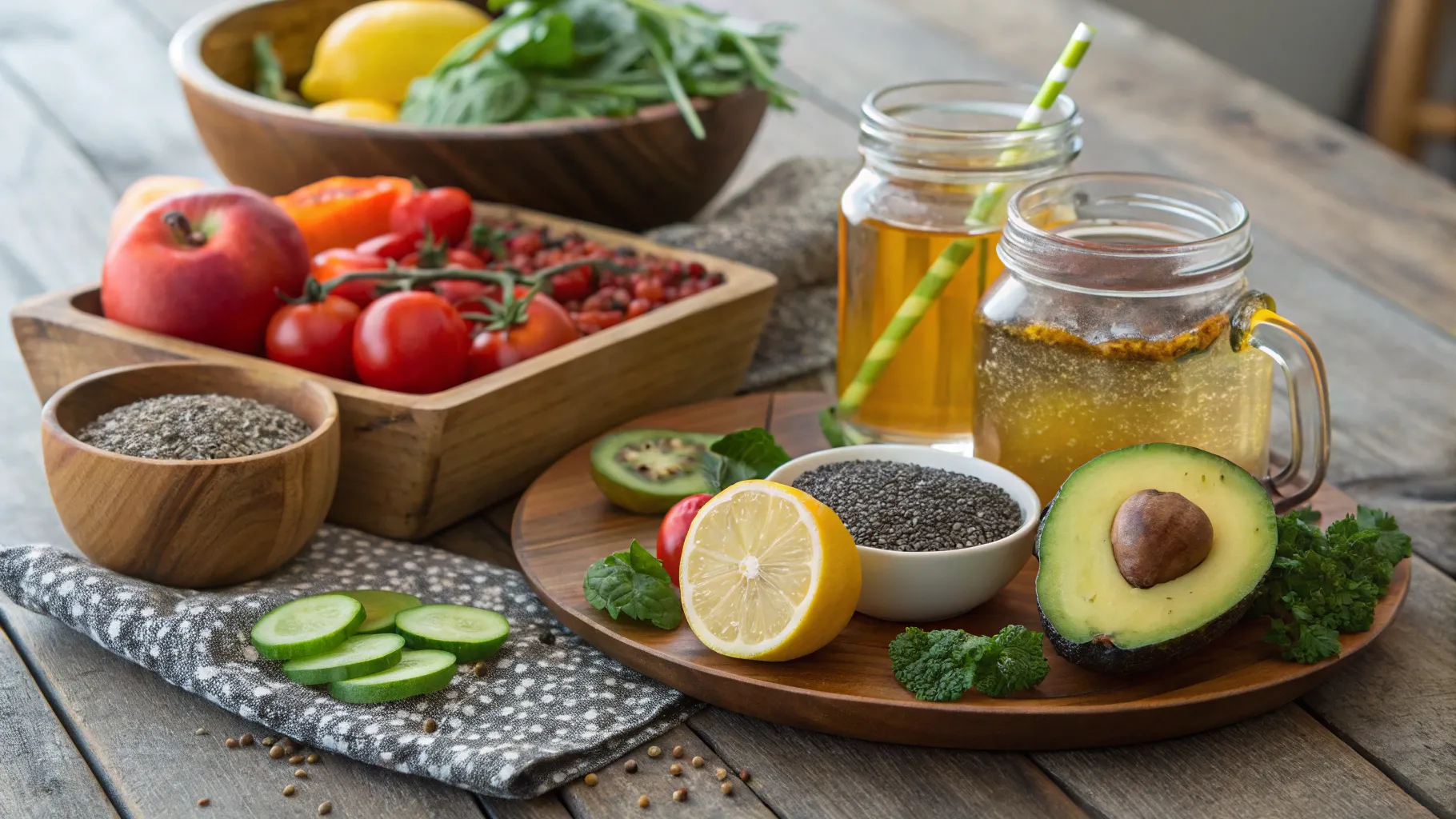
Understanding Constipation Solutions
Constipation is a prevalent health issue affecting millions globally in 2025. It causes discomfort and frustration for individuals who experience this condition, which is defined by infrequent bowel movements—commonly considered fewer than three times a week. Hard, painful stools often accompany this discomfort, leading many to search for effective constipation solutions. As our lifestyles become increasingly hectic, awareness of gut health has surged, prompting many to seek safe and efficient treatments for constipation.
Common Constipation Remedies You Can Try
Various factors contribute to constipation—dietary habits, stress levels, and lack of physical activity are among the key culprits. By understanding how to alleviate constipation, individuals can significantly enhance their quality of life. Here are some widely acknowledged remedies that can provide relief:
- Increased Fiber Intake: A high-fiber diet plays a crucial role in promoting healthy digestion. Incorporating lots of fruits, vegetables, whole grains, and legumes can help. For adults, the recommended intake is about 25 grams of fiber each day. Recent studies have shown that boosting dietary fiber can encourage regular bowel movements and improve overall gut health.
- Stay Hydrated: Hydration is vital for proper digestion. Consuming adequate water helps soften stool, making it easier to pass. Aim for about 8-10 glasses of water each day—more if you engage in physical activity or live in a hot climate.
- Regular Physical Activity: Engaging in regular exercise stimulates the digestive system. Just 30 minutes of moderate activity, such as brisk walking or yoga, most days of the week can be incredibly beneficial. Notably, a study conducted last quarter found that people who exercise regularly reported a 30% increase in bowel movement frequency compared to sedentary individuals.
- Probiotics: Probiotics play an essential role in maintaining the balance of gut flora, thereby aiding digestion. Foods rich in probiotics, such as yogurt, kefir, and fermented varieties, can naturally enhance gut health. Current research indicates that regular consumption of probiotics may significantly alleviate constipation symptoms.
- Limit Processed Foods: Many highly processed foods lack fiber and can contribute to constipation. Limiting these foods while focusing on whole, natural options can vastly improve bowel health.
Constipation Home Remedies
For those looking to manage constipation without pharmaceutical interventions, home remedies have gained considerable popularity in 2025. Here are several effective natural solutions that have shown promise:
- Warm Water with Lemon: Starting your day with warm water mixed with fresh lemon juice can stimulate digestion. This remedy is celebrated for its effectiveness in promoting bowel movements thanks to lemon's acidity, which can enhance digestive juices.
- Chia Seeds: Known for their high fiber content, chia seeds can absorb large amounts of water, aiding in stool bulk. Soaking these seeds until they form a gel before consumption can help them work effectively in pushing waste through the intestines.
- Olive Oil: A tablespoon of olive oil on an empty stomach can serve as a natural lubricant for digestion. Many individuals report feeling relief from constipation shortly after trying this method, making it a popular choice.
- Herbal Tea: Certain herbal teas, like peppermint and ginger, can soothe the digestive tract and promote regular bowel habits. They may also help to reduce inflammation, which can exacerbate constipation symptoms.
- Apple Cider Vinegar: Mixing a tablespoon of apple cider vinegar in water can stimulate the digestive system due to its properties and may help improve motility in the intestines. This remedy has reportedly helped many seeking relief from constipation.
If chronic constipation persists, it is crucial to consult a healthcare provider to rule out any underlying issues or side effects from medications that might contribute to the problem.
Recognizing When to Seek Professional Help
While the majority of constipation cases can be managed with home remedies and lifestyle modifications, it's essential to be aware of when professional help is necessary. If you experience severe pain, notice blood in your stool, or see significant changes in your bowel habits, these are clear indicators that you should reach out to a healthcare professional. Early intervention can help identify potentially serious underlying conditions.
As we navigate through 2025, our understanding of gut health continues to evolve. Recent studies emphasize the microbiome's vital role in overall wellness, immune function, and disease prevention. Staying informed about digestive health empowers individuals to take proactive steps in managing their well-being effectively.
It’s important to recognize that while constipation may appear to be a simple inconvenience, it can have a profound impact on daily life. Adopting a proactive approach to maintain gut health is beneficial not only for relieving constipation but also for enhancing overall health and vitality.
In summary, managing constipation involves a combination of proper nutrition, effective hydration, and regular exercise. Integrating these remedies into daily routines can lead to natural relief and improve digestive health significantly. With the right approach to constipation management, individuals can enjoy a higher quality of life, free from the burdens of discomfort.