Effective Colitis Treatment Strategies for Better Management
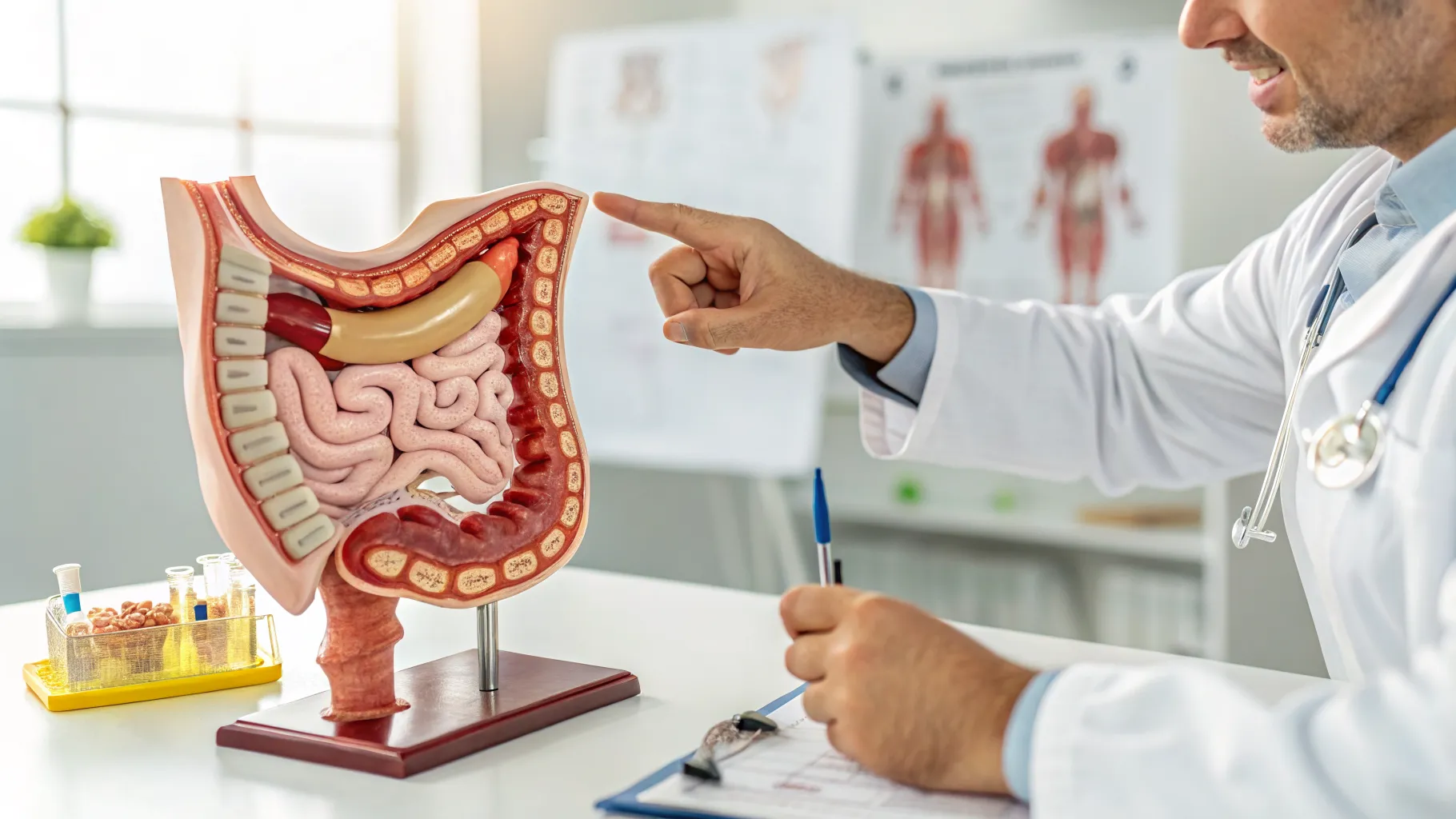
Exploring Colitis Treatment Strategies
Colitis remains a significant health challenge for millions around the globe. As awareness of this inflammatory condition grows in 2025, countless individuals are seeking effective treatments for colitis, which encompasses several types, including ulcerative colitis and Crohn's disease. In the United States alone, approximately three million adults report symptoms related to inflammatory bowel diseases. Therefore, it is crucial for patients to explore various treatment options that can enhance their quality of life. This article will provide insights into medical treatments, lifestyle adjustments, and advanced medications aimed at alleviating colitis symptoms.
Medical Approaches to Colitis Treatment
Colitis treatment plans often vary based on the individual’s specific diagnosis and the severity of their condition. Health professionals have an array of medical strategies at their disposal, many developed and refined in recent years.
- 5-Aminosalicylic Acid (5-ASA) Products: These medicines, including mesalamine, represent a cornerstone of colitis treatment, designed to reduce inflammation and facilitate healing. Innovative formulations have recently emerged, enhancing absorption and reducing side effects for improved safety and effectiveness.
- Corticosteroids: For patients experiencing severe colitis symptoms, corticosteroids like prednisone can provide rapid inflammation control. However, healthcare providers emphasize caution due to potential long-term side effects associated with prolonged use.
- Immunosuppressive Agents: If standard treatments fall short, options such as azathioprine and mercaptopurine offer potential relief. Emerging research affirms these agents as viable long-term solutions for managing persistent colitis.
- Biosimilars: The advent of biosimilars has revolutionized treatment for colitis. Affordable versions of biological therapies like infliximab and adalimumab are now widely available, offering patients cost-effective alternatives without compromising treatment quality.
Lifestyle Modifications for Colitis Management
In tandem with medicinal interventions, lifestyle changes are essential for managing colitis symptoms effectively. Many patients in 2025 find that making informed and thoughtful choices can significantly enhance their daily experiences.
- Dietary Changes: The relationship between diet and colitis symptoms is well-documented. Many patients engage in dialogue with dietary experts who help identify triggers, enabling them to avoid foods that exacerbate their condition. In 2025, diets rich in fresh fruits, vegetables, lean proteins, and whole grains have become standard recommendations, while processed foods, caffeine, and highly spicy dishes are often advised against. Customized eating plans developed by registered dietitians are gaining traction, vitalizing patients' nutritional strategies as pivotal in their colitis management.
- Stress Reduction: Stress is increasingly recognized as a significant trigger for colitis flare-ups. Techniques such as yoga and mindfulness meditation, alongside regular physical activity, are being incorporated into treatment programs. Support groups are now integrated with mental health resources, providing essential therapies that tackle the psychological dimensions of living with colitis.
- Consistent Monitoring: Keeping a detailed log of symptoms and dietary habits can empower individuals to pinpoint specific triggers affecting their colitis. Regular check-ups with healthcare professionals facilitate timely modifications of treatment plans, optimizing the management of the condition.
Medications for Effective Colitis Relief
By 2025, a broader spectrum of medications is easily accessible to assist in alleviating colitis symptoms. Personalized therapeutic options have become commonplace, leading to significant improvements in patient well-being.
- Anti-diarrheal Medications: Over-the-counter remedies like loperamide can provide immediate relief for diarrhea. However, it's crucial for patients to consult with their healthcare provider before use to avoid complications that can arise due to their use.
- Pain Relief Options: While common non-steroidal anti-inflammatory drugs (NSAIDs) may irritate the gut lining, emerging analgesics focus on minimizing side effects while efficiently managing pain, enhancing patient comfort during flares.
- Antibiotics: In some scenarios, colitis patients may develop secondary infections that necessitate antibiotic treatment. The current trend involves utilizing targeted antibiotic therapies for specific cases, integrating them into a holistic management approach.
Innovative Non-Surgical Treatments for Colitis
The field of colitis treatment is continually advancing, and numerous non-surgical interventions are gaining popularity. These promising therapies are offering new hope for those who once considered surgery their only option.
- Fecal Microbiota Transplantation (FMT): Recently recognized as a groundbreaking treatment, especially for patients with recurrent colitis, FMT involves transferring healthy stool from a donor. Many patients report exciting experiences with long-term remission after this procedure, showcasing its effectiveness.
- Physical Therapy: Recent studies highlight the benefits of pelvic floor physical therapy, which are increasingly recognized for alleviating symptoms in those suffering from constipation-predominant colitis. This approach underlines the importance of comprehensive care.
- Probiotics and Supplements: Growing research supports the beneficial role of probiotics and various dietary supplements for individuals with colitis. Patients are finding meaningful relief by incorporating these supplements, underscoring the value of a holistic approach to treatment.
In today's landscape, a multifaceted approach that combines cutting-edge medical treatments, thoughtful lifestyle adjustments, and personalized medications stands paramount in effective colitis management. The ongoing advancements in treatment options, coupled with increasing patient engagement, empower individuals with colitis to take control of their health. By proactively navigating their treatment journeys, patients can discover new ways to improve their quality of life while managing their condition with confidence.