Understanding Bladder Control Solution for Incontinence Care
Understanding Bladder Control Solutions for Everyday Life
Living with bladder leaks can be a challenge that significantly impacts daily activities and self-esteem. Statistics reveal that around one in three women and one in ten men experience bladder incontinence, a condition often misunderstood and stigmatized. Fortunately, as of 2025, a variety of effective bladder control solutions are available, allowing individuals to manage their symptoms and reclaim their confidence.
The Nuances of Incontinence and Its Triggers
Incontinence is a broad term that encompasses various types of bladder control issues, each with distinct characteristics. The primary categories include:
- Stress Incontinence: Leakage occurs during activities that put pressure on the bladder, such as sneezing, laughing, or exercising.
- Urge Incontinence: This involves a sudden, overwhelming urge to urinate that can lead to unintentional leakage.
- Overflow Incontinence: This type occurs when the bladder fails to empty completely, resulting in frequent dribbling.
- Functional Incontinence: This is due to physical or mental impairments that hinder timely bathroom access.
Recognizing the different types of incontinence helps individuals seek appropriate incontinence treatment. Some common underlying factors include:
- Weakening of the pelvic muscles due to aging.
- Pregnancy and the physical changes that follow childbirth.
- Obesity, which places extra pressure on the bladder.
- Neurological disorders, including Parkinson's disease and multiple sclerosis, that affect bladder control.
- Prostate cancer treatments for men that may impact bladder function.
Understanding these causes is crucial for selecting suitable treatments and lifestyle adjustments.
Modern Approaches to Bladder Control
Thanks to ongoing research and development, innovative solutions are emerging each year to help manage incontinence. Here are some of the most effective options currently available:
Bladder Control Patches
Among the most exciting innovations in bladder control treatments are bladder control patches. These patches deliver medication slowly through the skin, targeting bladder issues effectively. In recent trials, users report a noticeable decrease in symptoms within weeks, often enjoying newfound freedom from traditional incontinence products.
Not only are these patches discreet, they are also easy to apply, making them an excellent choice for those who might feel uncomfortable using traditional pads. Users frequently express relief at the reduction in side effects compared to oral medications, leading to an overall improvement in quality of life.
Natural Supplements for Bladder Control
Naturally derived solutions are also gaining traction among individuals seeking non-pharmaceutical options for bladder control. Many are turning to natural supplements for bladder control, which often include ingredients like pumpkin seeds, saw palmetto, and marshmallow root. These components are believed to enhance urinary health and support bladder function.
Recent studies have highlighted how these natural remedies can reduce urinary urgency and frequency. Users report positive experiences, with some noticing significant improvements over a matter of months. Moreover, these supplements generally pose fewer risks of side effects than conventional medications, appealing to many seeking gentler alternatives.
Behavioral Techniques and Lifestyle Adjustments
In addition to medical and natural interventions, behavioral strategies can play a pivotal role in managing bladder control. For instance, pelvic floor exercises, commonly referred to as Kegel exercises, are increasingly recommended. These exercises have been proven effective for both women and men in strengthening the pelvic muscles, which can significantly reduce the incidence of incontinence episodes.
Implementing lifestyle changes can have a remarkable effect as well. Strategies such as maintaining a regular voiding schedule, moderating fluid intake, and avoiding known bladder irritants (like caffeine and alcohol) can contribute to improved control. For example, a recent survey indicated that individuals who practiced scheduled bathroom breaks experienced fewer accidents and greater overall satisfaction with their bladder management.
Integrating mindfulness and relaxation techniques can help manage the anxiety that often accompanies incontinence, thereby enhancing emotional well-being and coping strategies.
Absorbent Products and Protective Underwear
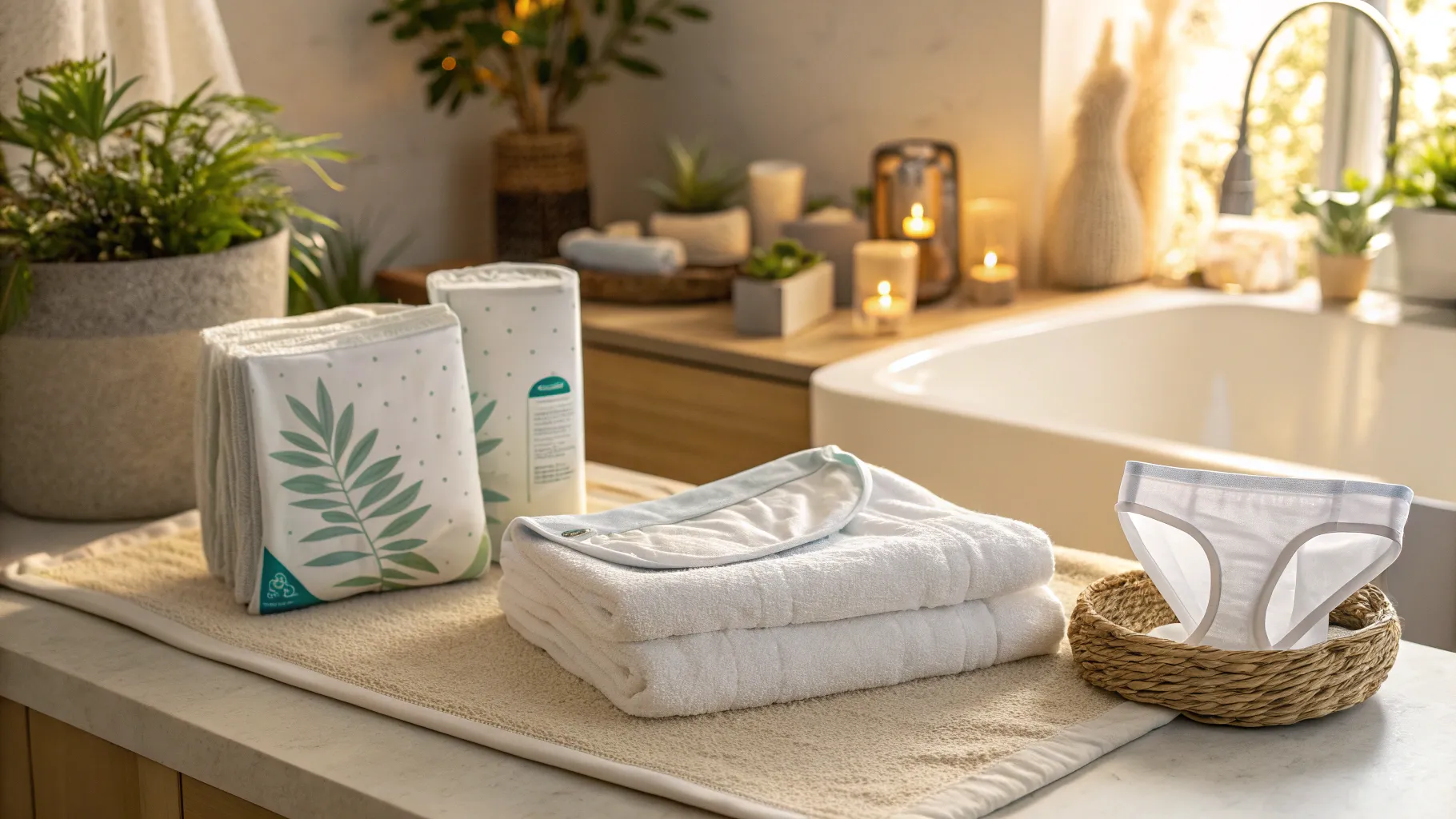
While medical and behavioral solutions offer significant benefits, practical products are indispensable for daily life. Modern absorbent products, including pads and protective underwear, have come a long way regarding comfort and discretion. Today’s options combine advanced absorbent technology with a low-profile design, allowing individuals to live confidently and participate in activities without fear of leakage.
Finding the right product often requires some exploration, but many companies provide free samples to assist first-time users. This has proven invaluable, as discovering the perfect fit can ease concerns and promote seamless integration into everyday life.
Maximizing Bladder Control Strategies
Effectively managing bladder leaks involves a comprehensive approach that encompasses various treatments and lifestyle strategies. Collaborating with healthcare professionals who can tailor a personalized plan offers the best chance for success. Don’t hesitate to reach out; support is available, and you are not alone in this journey.
The landscape for managing bladder issues is continuously improving, with innovative treatments like bladder control patches and natural supplements, paired with lifestyle adjustments and reliable absorbent products, making a real difference in people's lives.
By staying informed, exploring various options, and taking proactive steps, individuals can navigate the complexities of bladder health confidently. Remember, the goal is not just to manage symptoms but to enhance overall quality of life and well-being.