Effective Bladder Control Solutions for Incontinence in 2025
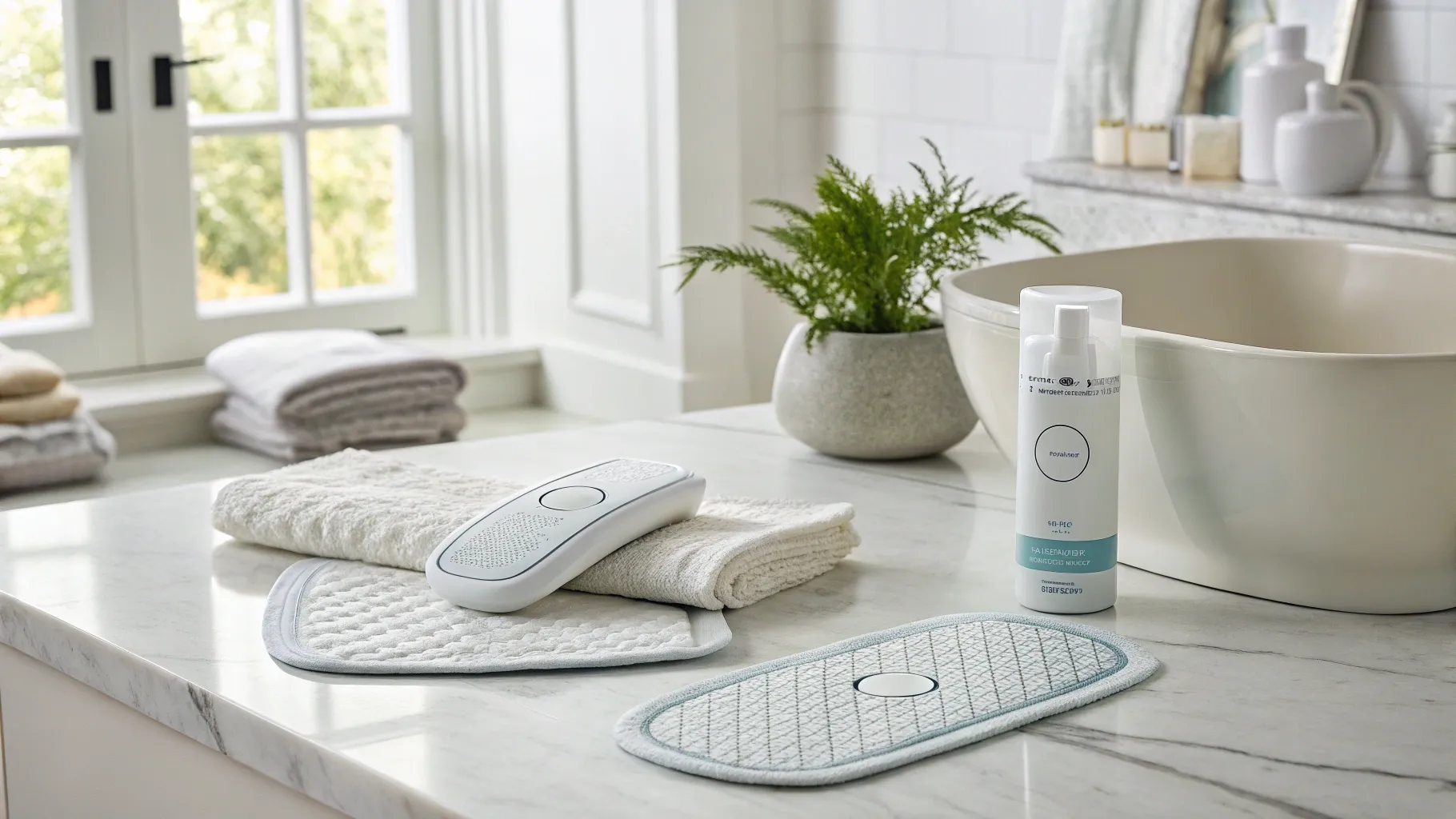
Discover Modern Bladder Control Solutions in 2025
Bladder incontinence is more than just a personal discomfort; it’s a challenge that affects millions of individuals worldwide. As we navigate through the complexities of this condition, it's crucial to recognize the advancements that 2025 has brought to the table. Currently, around 25% of adults over the age of 40 are struggling with some form of urinary incontinence, with over 33 million adults in the United States alone facing this daily battle. Fortunately, modern solutions—from innovative medications to highly effective bladder control patches—offer new hope for managing this common issue.
Revolutionary Incontinence Treatment Options
The approach to managing incontinence has undergone a remarkable transformation in recent years. With a greater understanding of the condition and advanced technology, individuals now have a plethora of treatment options available.
- Behavioral Techniques: Bladder training and pelvic floor exercises, particularly Kegel exercises, are frequently recommended for strengthening pelvic muscles. These non-invasive methods empower individuals to enhance their bladder control significantly. Regular practice can lead to reduced leakage, granting users greater confidence in their daily lives.
- Medications: Modern pharmacological options, including anticholinergics and beta-3 adrenergic agonists, have emerged as pivotal tools in treating bladder overactivity. These medications work by calming muscle contractions and improving bladder storage capacity. Clinical reports indicate positive outcomes for many patients, with significant reductions in leakage frequency.
- Devices: The rise of innovative devices like vaginal inserts and external catheters has given many users a sense of security. These assistive technologies act as barriers, preventing leaks and allowing individuals to engage fully in everyday activities, free from worry.
- Surgical Options: For those who experience severe incontinence, surgical interventions such as sling surgery and artificial urinary sphincter implants can provide more permanent solutions. Personal evaluations by healthcare professionals can help determine if surgery is the right choice for improving quality of life.
Understanding the Impact of Bladder Control Patches
One of the most innovative developments in the landscape of incontinence management is the introduction of bladder control patches. These patches, designed for comfort and efficiency, release medication that targets symptoms of bladder overactivity gradually over time. The latest clinical studies indicate that around 80% of users experience a significant decrease in leakage episodes within weeks of starting treatment. This improvement greatly enhances users' quality of life, allowing them to embrace social interactions without apprehension about potential leaks.
In 2025, there are various types of patches available, catering to diverse lifestyles and preferences. Many individuals report feeling empowered with these discreet alternatives to traditional methods, blending seamlessly into their daily routines.
Effective Strategies for Managing Bladder Leaks
Managing bladder leaks extends far beyond the application of products or medications. A comprehensive understanding of one’s body—and the identification of potential triggers—plays a vital role in achieving sustainable management of this condition. Insights gathered from healthcare professionals outline several practical strategies:
- Stay Hydrated: Contrary to what some may believe, maintaining adequate hydration is paramount for optimal bladder health. Dehydration can irritate the bladder, leading to increased urgency and discomfort. Drinking enough water throughout the day can help soothe the bladder and improve overall function.
- Avoid Trigger Foods: Certain consumables are known to exacerbate symptoms. Items such as caffeine, alcohol, and spicy or acidic foods can trigger or worsen incontinence symptoms. Keeping a detailed food diary can assist individuals in pinpointing their personal triggers, enabling them to make informed dietary decisions and potentially lessen their symptoms.
- Regular Exercise: Staying active is crucial for managing incontinence. Engaging in regular physical activity, such as walking or tailored pelvic exercises, can strengthen pelvic floor muscles and provide support for bladder control. Aiming for a healthy weight can also alleviate some pressure on the bladder.
For those interested in exploring natural remedies, herbal supplements are becoming increasingly popular. Ingredients such as pumpkin seed extract and cranberry capsules have shown promise in supporting bladder health. Many users report positive outcomes, including reduced leakage incidents when integrating these supplements into their daily routines.
Envisioning the Future of Bladder Control Solutions
The future of bladder control solutions looks promising as we continue to witness technological advancements and innovative research. As of now, the development of smart wearable devices that can monitor urinary patterns and send real-time alerts is on the horizon. These smart pads promise to revolutionize how individuals manage bladder incontinence by offering personalized insights and proactive solutions.
In addition to technological breakthroughs, there is an increasing awareness and decreasing stigma surrounding urinary incontinence. In 2025, educational programs and community workshops are becoming more prevalent, empowering individuals with knowledge about bladder health and creating safe spaces to discuss these issues openly.
Ultimately, while the struggle with bladder incontinence remains prevalent, the wide array of treatment options—from cutting-edge bladder control patches to effective behavioral therapies—offers multiple avenues for individuals to consider. By taking proactive measures and staying informed about the latest solutions, anyone dealing with bladder control issues can enhance their lives significantly, paving the way for greater confidence and fulfillment.