Understanding Blackhead Removal Methods for Clearer Skin
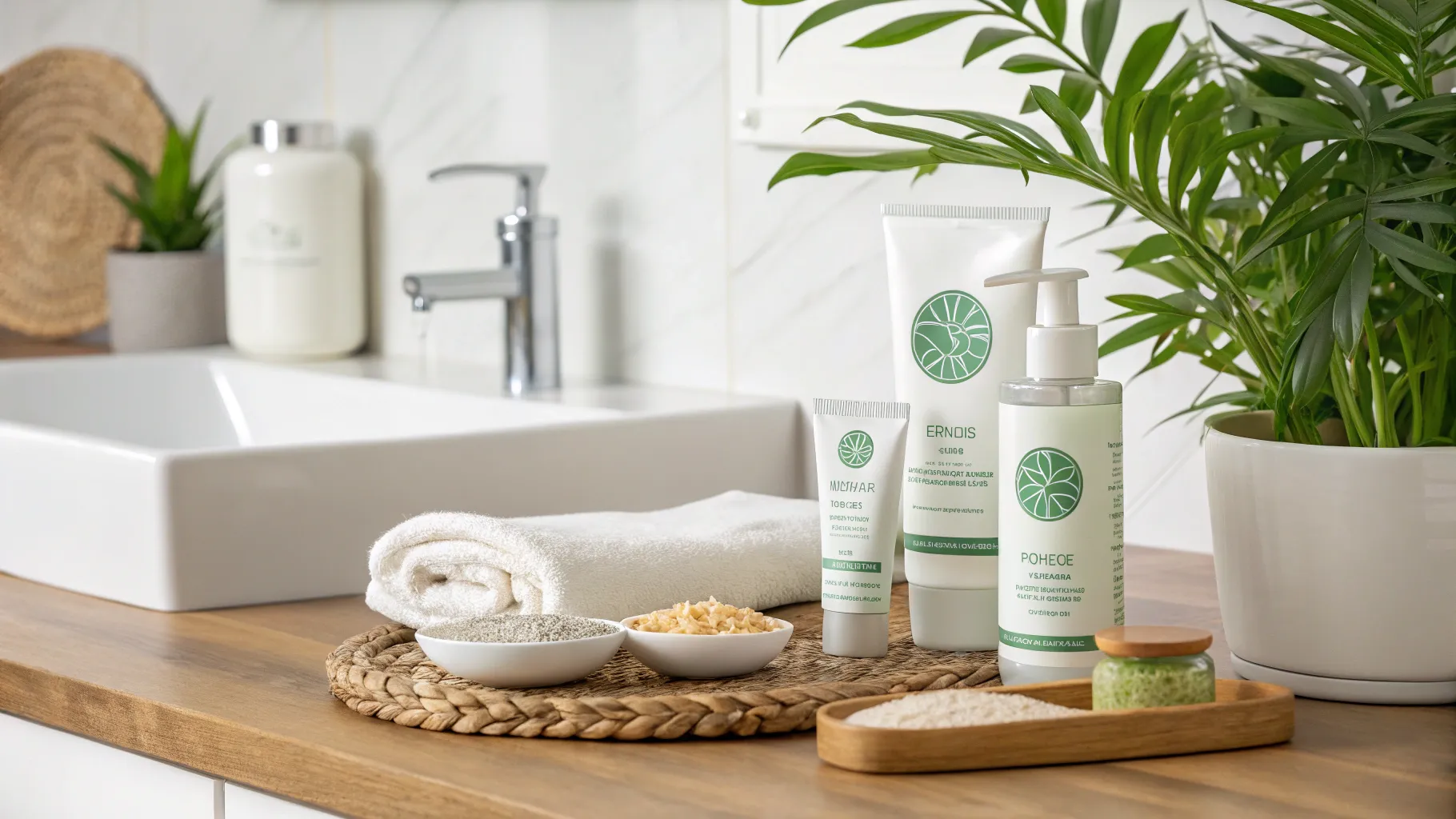
Find Dermatologist Approved Blackhead Removal Methods
Blackheads, those pesky little blemishes that seem impossible to get rid of, are a common skin concern for many people. In 2025, more individuals are seeking out dermatologist-approved methods for blackhead removal as they come to terms with the importance of professional advice. Understanding the science behind what causes blackheads is essential for treating them effectively.
Blackheads are formed when hair follicles become clogged with oil, dead skin cells, and bacteria. The open comedones can oxidize and darken, leading to the characteristic black color. Many dermatologists recommend starting with a gentle yet effective skincare routine as the foundation for combating this issue.
Professional Treatments
- Chemical Peels: Dermatologists often use chemical peels containing salicylic acid, glycolic acid, or lactic acid. These ingredients help exfoliate the skin and unclog pores, effectively reducing the appearance of blackheads.
- Extraction: Manual extraction performed by a trained professional can safely remove blackheads. This method is favored as the risk of damaging the skin or causing infection is minimized.
- Microdermabrasion: This procedure involves buffing the skin to remove dead skin cells, which can help prevent the buildup that leads to blackheads.
- Laser Therapy: Lasers can help in the long-run by reducing oil production in the sebaceous glands, ultimately leading to fewer blackheads.
These treatments can not only assist in immediate blackhead removal but also help maintain clearer skin over time. Engaging with a dermatologist ensures that you receive personalized advice that caters to your skin type and concerns.
Learn Safe Ways to Clean Pores at Home
If you prefer a DIY approach, there are safe ways to clean your pores at home without the risk of scarring or irritation. Here’s how to manage your blackhead situation effectively using accessible ingredients and methods.
At-Home Remedies
- Exfoliation: Incorporating a gentle exfoliating scrub, ideally one with salicylic acid, into your skincare routine can help. You can also use natural scrubs made from sugar or oat flour, combined with honey for moisture.
- Clay Masks: Clay masks, particularly those made of bentonite or kaolin, are fantastic for drawing impurities out of the skin. Using these once a week can keep your pores clean and minimize the appearance of blackheads.
- Steaming: Steam your face to open up your pores. After steaming, gently cleanse your skin with a mild cleanser to remove excess oil and dirt. Be careful not to burn yourself!
- Establish a Routine: Regularly cleansing your skin (twice daily), avoiding heavy makeup, and incorporating non-comedogenic moisturizers can significantly impact your skin's overall appearance.
These methods are highly regarded for their ability to clean pores and prevent blackheads from recurring. As more people trend towards natural and at-home solutions, these remedies are increasingly being shared on social media platforms, developing a community of individuals sharing their successes and failures.
Explore Natural Skincare Routines That Reduce Blackheads
Natural skincare routines are becoming increasingly popular among consumers looking to reduce not just blackheads but all types of blemishes. A natural approach emphasizes holistic practices and gentle products.
Some of the key changes to consider include:
1. **Switching to Natural Ingredients:** Look for skincare products that don’t contain harsh chemicals or irritants. Instead, choose those that feature ingredients like tea tree oil, witch hazel, and aloe vera. These elements are known for their soothing and antibacterial properties.
2. **Hydration:** Keeping your skin hydrated is paramount. Drink plenty of water and use a light, non-comedogenic moisturizer that won’t clog your pores while still providing moisture.
3. **Dietary Adjustments:** Believe it or not, your diet plays a crucial role in your skin health. Reducing the intake of dairy and processed sugars has been linked to the reduction of acne and blackheads.
4. **Stress Management:** Stress can lead to hormonal changes that increase oil production, resulting in blackheads. Incorporating activities like yoga, meditation, or even simple breathing exercises into your daily routine can be beneficial.
Adopting these natural practices can not only help in clearing existing blackheads but also serve as a solid preventive strategy moving forward.
Discover How to Maintain Clearer Skin Through Cleansing
While blackheads may remain an enduring skin woe, understanding how to maintain clearer skin through effective cleansing can significantly reduce their occurrence. A focus on daily habits ensures that your skin's health is prioritized.
Implementing a proper cleansing routine involves:
- **Regular Facial Cleansing:** Use a gentle cleanser that suits your skin type. Cleansing twice daily can help remove excess oil, dirt, and makeup without stripping the skin of essential moisture.
- **Avoid Over-cleansing:** It might seem counterintuitive, but over-cleansing can lead your skin to produce more oil, worsening blackheads. Stick to your routine and avoid cleansing too many times a day.
- **Use Warm Water:** Washing your face with warm (not hot) water opens up the pores but doesn't irritate the skin, which can help in the cleaning process.
Maintaining a healthy, clear visage requires commitment to a routine that treats your skin gently while employing techniques that actively work to keep blackheads at bay. By keeping your practices consistent and informed, you can achieve and sustain clearer skin even in 2025. Remember that personalization is key, as everyone's skin is unique; thus, adjust these recommendations based on how your skin responds.