Effective Back Pain Relief Exercises and Tips in 2025
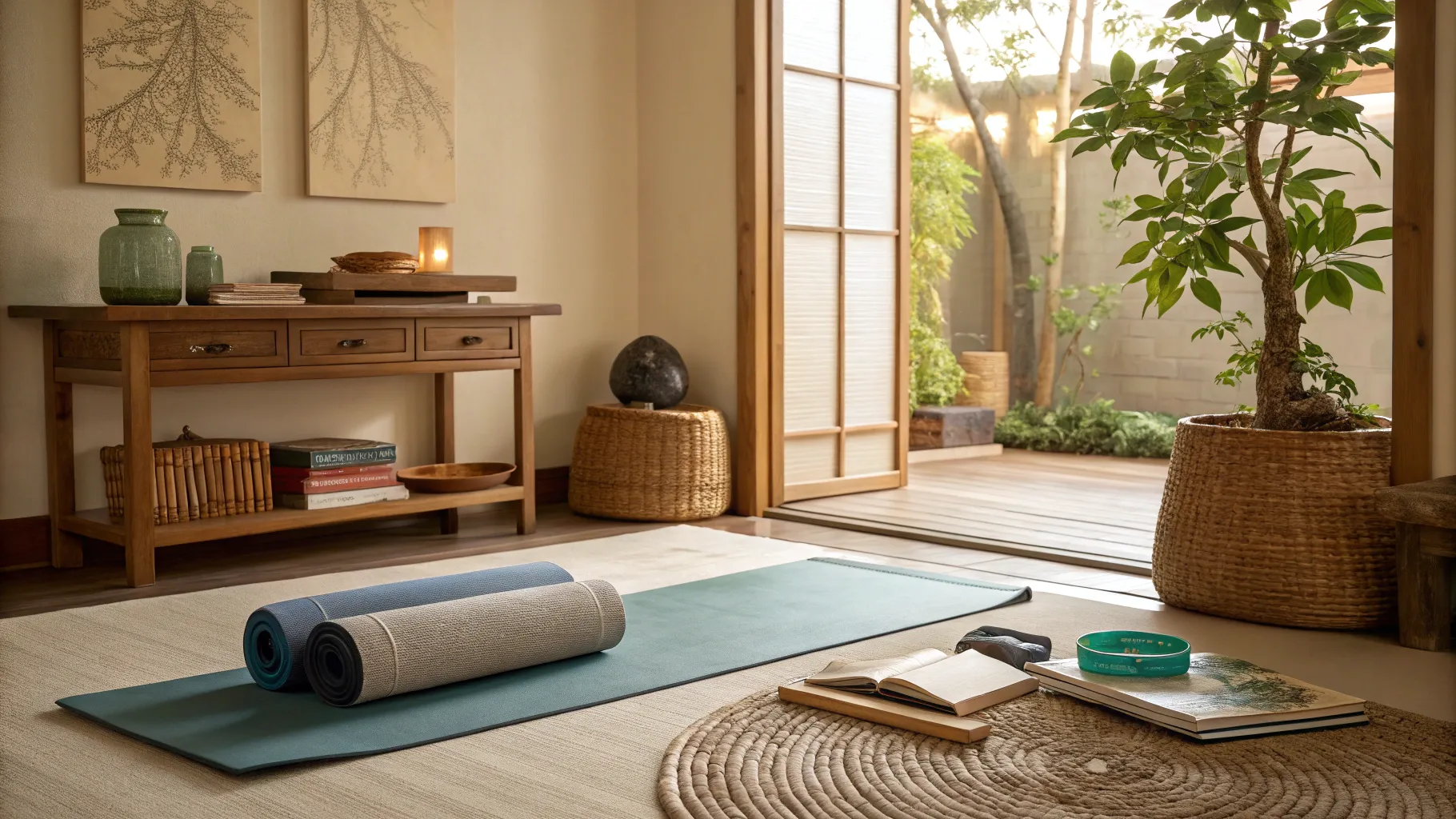
Effective Exercises to Ease Back Pain in 2025
In our current fast-paced world, back pain affects a staggering 80% of adults at some stage in their lives. As such, discovering effective ways to manage this discomfort is essential. In 2025, the importance of exercise as a non-invasive and practical method for alleviating back pain is clearer than ever. Regular engagement in physical activities not only fortifies back muscles but also enhances flexibility and improves posture, ultimately aiding in pain reduction.
Gentle Stretches and Strengthening Exercises
To effectively diminish back pain, incorporating gentle stretches and exercises into your daily routine is key. Here are several highly recommended exercises that cater to various levels of mobility:
- The Cat-Cow Stretch: This beloved yoga-inspired stretch works wonders for spine flexibility. Begin on all fours; as you inhale, arch your back (Cat), and as you exhale, lower it into a dip (Cow). This dynamic movement promotes circulation and flexibility.
- Child’s Pose: A timeless classic in yoga, Child’s Pose gently stretches the back while helping relieve accumulated tension. Simply kneel and sit back on your heels, stretching your arms forward and lowering your head to the ground.
- Bridges: Ideal for strengthening the lower back and glute muscles, this exercise requires you to lie on your back with bent knees and feet flat on the floor. Lift your hips towards the ceiling, hold for a few seconds, and gently lower them back down.
- Knees to Chest Stretch: This simple yet effective stretch involves lying on your back and bringing your knees to your chest. Hold this position for 15 to 30 seconds, all while focusing on deep, calming breaths.
Committing just 10 to 15 minutes a day to these exercises can lead to considerable enhancements in your back health and overall well-being. However, seeking guidance from your doctor or a physical therapist before beginning a new routine, particularly if you suffer from chronic pain, is always prudent.
Non-Medical Methods for Back Pain Relief
Alongside exercises, other non-medical solutions for back pain relief are becoming increasingly popular. Many individuals are exploring holistic approaches that can effectively complement traditional medical treatments. These methods primarily focus on improving body mechanics and alleviating stress on the back.
Alternative Therapies Gaining Traction
As of late 2025, several alternative therapies have garnered attention for their potential to ease back pain:
- Chiropractic Care: Regular sessions with a chiropractor can effectively alleviate discomfort by realigning the spine and reducing muscle tension, often leading to immediate relief. Many individuals report significant improvements in mobility and pain levels after consistent chiropractic sessions.
- Acupuncture: This ancient practice involves inserting thin needles into specific body points. Recent studies have showcased acupuncture's ability to alleviate chronic back pain significantly, making it a favored choice among many seeking relief.
- Massage Therapy: With various techniques available, from deep tissue to Swedish massage, therapeutic massage can relieve muscle tension and boost circulation in the back, promoting healing and comfort.
- Heat and Cold Therapy: Applying heat to relax tight muscles or ice packs to reduce inflammation can minimize pain. Many find that alternating between hot and cold therapies provides exceptional relief.
Frequent use of these methods can yield substantial benefits, enhancing daily comfort levels and assisting in managing ongoing back pain. It's all about finding what works best for you.
How to Improve Posture and Reduce Pain
Proper posture is an essential component of preventing back pain. In this day and age, as more individuals work from home or adopt a sedentary lifestyle, posture often suffers, resulting in increased discomfort. Implementing some practical strategies can vastly improve your posture:
- Design an Ergonomic Workspace: Make sure your desk, chair, and computer setup are conducive to good posture. Adjust your chair height and consider using a footrest to ensure your feet rest flat on the ground.
- Practice Proper Sitting Techniques: Your chair should support your lower back. Keep your feet flat on the ground and form a 90-degree angle with your knees. Avoid slouching at all costs.
- Establish Regular Breaks: Taking breaks every hour to stretch or walk around is a simple yet effective way to combat stiffness and improve circulation.
- Avoid Craning Your Neck: When using a smartphone or tablet, hold the device at eye level. This small change can make a big difference, preserving your neck and spinal alignment.
Integrating these changes doesn’t have to happen overnight; slowly adjusting your routines can lead to lasting improvements and relief from back pain.
When to Consult a Doctor About Your Back Pain
Despite all efforts in self-management, certain warning signs indicate the need for medical intervention. In the current landscape where over 15% of individuals report debilitating back pain, recognizing these signs is critical:
- Persistent pain that lasts beyond a few weeks.
- Pain radiating down one leg, particularly with tingling or numbness.
- Difficulty walking or maintaining an upright position due to pain.
- Unexplained weight loss, fever, or a history of serious conditions like cancer or osteoporotic fractures.
If you encounter any of these symptoms, it’s important to consult a healthcare professional to explore potential issues and appropriate treatment options, as early intervention is key to preventing further complications.
In 2025, managing back pain remains a pressing challenge, but it is one that can be conquered through various methods. By engaging in exercises tailored to alleviate back pain, exploring non-medical relief strategies, enhancing posture, and recognizing when to seek out professional help, individuals can enjoy a more comfortable, pain-free life. Prioritizing self-care and taking proactive steps towards spinal health empowers you on your journey to eliminate back pain.