A Guide to Age Spot Removal Treatments and Skincare Tips
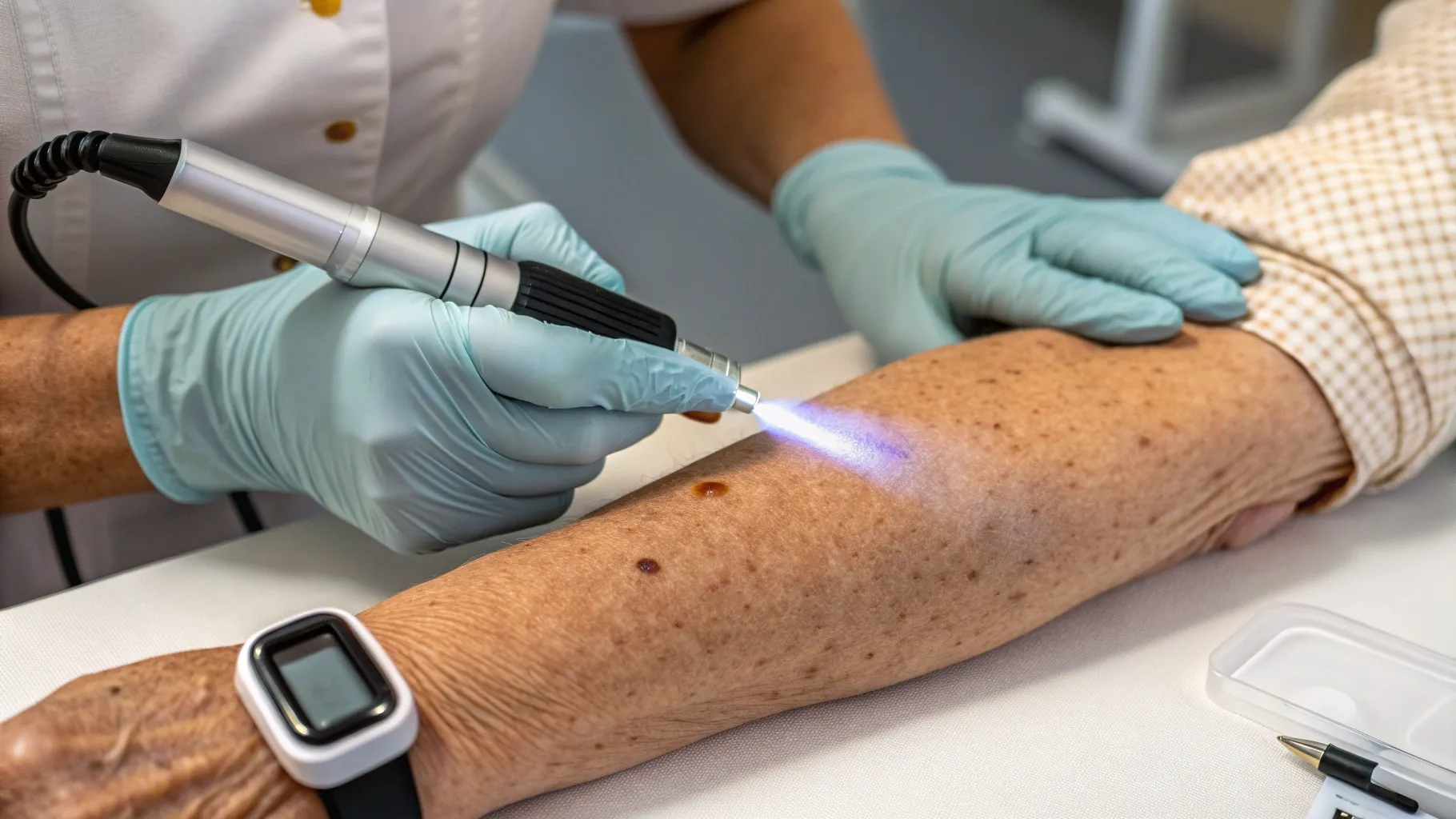
Discover Effective Age Spot Removal Techniques
Age spots, also referred to as sunspots or liver spots, are a common skin concern that many of us experience as we grow older. In fact, recent studies show that a staggering 90% of adults over 50 have some form of hyperpigmentation on their skin, primarily due to exposure to the sun's harmful UV rays. These small, dark patches typically develop on sun-exposed areas like the face, hands, shoulders, and arms, which is why understanding how to address them effectively is crucial.
Fortunately, there are numerous methods available for diminishing or eliminating these imperfections. Whether you're looking for some quick fixes or long-term solutions, the options for age spot removal have expanded considerably in recent years. In this article, we will explore some of the most popular treatments, as well as safe skincare practices you can adopt to maintain an even skin tone.
Innovative Treatments for Age Spot Reduction
Choosing the right treatment for age spots can be overwhelming, given the variety of options available. The effectiveness of each treatment can vary based on factors such as skin type, the severity of pigmentation, and individual preferences. Here are some of the most sought-after treatments:
- Topical Treatments: Many people turn to over-the-counter creams designed to lighten skin pigmentation. Ingredients like hydroquinone, retinoids, or Vitamin C are common components in these formulations, which have been shown to lighten spots over a few weeks or months. A dermatologist can help you choose a product that’s right for your skin.
- Chemical Peels: A chemical peel is a cosmetic procedure that involves applying a solution to the skin to exfoliate and remove the outer layer. This encourages new skin growth and can dramatically reduce the appearance of age spots. Peels can be tailored to your specific skin type, making them a flexible option.
- Laser Therapy: For those seeking precision, laser therapy offers an advanced solution. Lasers like the Fractional CO2 laser are designed to target specific areas, breaking down melanin in age spots effectively. This method often has minimal recovery time, allowing you to return to your normal activities rapidly.
- Cryotherapy: Cryotherapy involves the use of liquid nitrogen to freeze and destroy abnormal skin cells. Many patients appreciate the quick results that this treatment can provide, making it a popular choice for quicker fixes.
- Microdermabrasion: This less invasive, yet effective, procedure exfoliates the skin, helping to reduce the appearance of superficial spots. To achieve the best outcomes, multiple sessions may be necessary, but many find the process gentle and rejuvenating.
Before undergoing any treatment, it's essential to consult with a trusted dermatologist. They can assess your skin and help determine which treatment is best suited to your needs while considering your overall health history.
Daily Skincare Practices for a Brighter Complexion
To manage uneven skin tone effectively and prevent new age spots from forming, maintaining a solid skincare routine is essential. Here are some safe practices that can help:
- Sun Protection: One of the most critical steps you can take is daily sun protection. Since UV exposure is a leading cause of age spots, wearing a broad-spectrum sunscreen with a minimum SPF of 30—even on cloudy days—is vital. Don't forget to reapply throughout the day.
- Stay Hydrated: Hydration is key for maintaining healthy skin. Opt for moisturizers enriched with hyaluronic acid or ceramides to boost moisture levels and repair your skin barrier.
- Gentle Exfoliation: Regular exfoliation encourages skin cell turnover, which can help brighten the complexion over time. Look for gentle scrubs or exfoliating acids like AHAs and BHAs that won't irritate your skin.
- Balanced Nutrition: Your diet can significantly influence skin health. Eating antioxidant-rich foods such as berries, nuts, and greens can support your skin’s resilience against damage and discoloration.
- Consistent Regimen: Incorporate targeted treatments like serums with active ingredients into your daily routine for an even skin tone. Products featuring niacinamide or vitamin E are excellent choices for combating pigmentation.
Consistently following these practices not only helps in reducing the appearance of age spots, but it also promotes overall skin health, making you look and feel more vibrant.
Strategic Management of Sunspots and Pigmentation
While age spots can be a natural result of aging, managing them doesn’t have to be a significant burden. Understanding what triggers these spots enables effective management: excessive sun exposure stands out as the primary culprit. Therefore, it’s wise to avoid tanning beds and limit sunbathing time. Instead, if you're looking for a sun-kissed glow, consider using sunless tanning products that don't damage your skin.
For those regularly exposed to the sun, it is advisable to wear protective clothing and seek shade whenever possible. Routine skin checks can also be advantageous in monitoring existing spots. Pay attention to any changes in size, color, or shape, and consult a dermatologist if you notice anything concerning.
Additionally, some individuals find success with at-home remedies to complement professional treatments. Natural ingredients like lemon juice, which has mild bleaching properties, or aloe vera, known for its soothing effects, can be integrated into at-home skincare. However, it’s important to note that while many claim benefits, results can vary widely.
In 2025, as concerns about age spots and pigmentation remain prevalent among adults, the blend of innovative skincare products and professional treatments continues to provide substantial options. By taking a proactive approach towards your skincare, you can not only manage age spots effectively but also cultivate self-confidence that comes with a more even, radiant complexion.