Early Warning Signs of Stroke: A Comprehensive Stroke Warning Signs Guide
Facts:
- Stroke is a leading cause of long-term disability.
- Rapid recognition improves outcomes for stroke patients.
Decoding the First Signals: Your Comprehensive Stroke Warning Signs Guide
Recognizing the early signs of stroke can be the difference between a full recovery and lifelong disability. These symptoms often appear suddenly, and knowing how to identify them is a critical skill for everyone. This stroke warning signs guide is designed to provide clear, actionable information for effective early stroke symptoms recognition, empowering you to respond immediately and appropriately during a medical emergency. Understanding these signals is the first and most crucial step in the chain of survival for a stroke event.
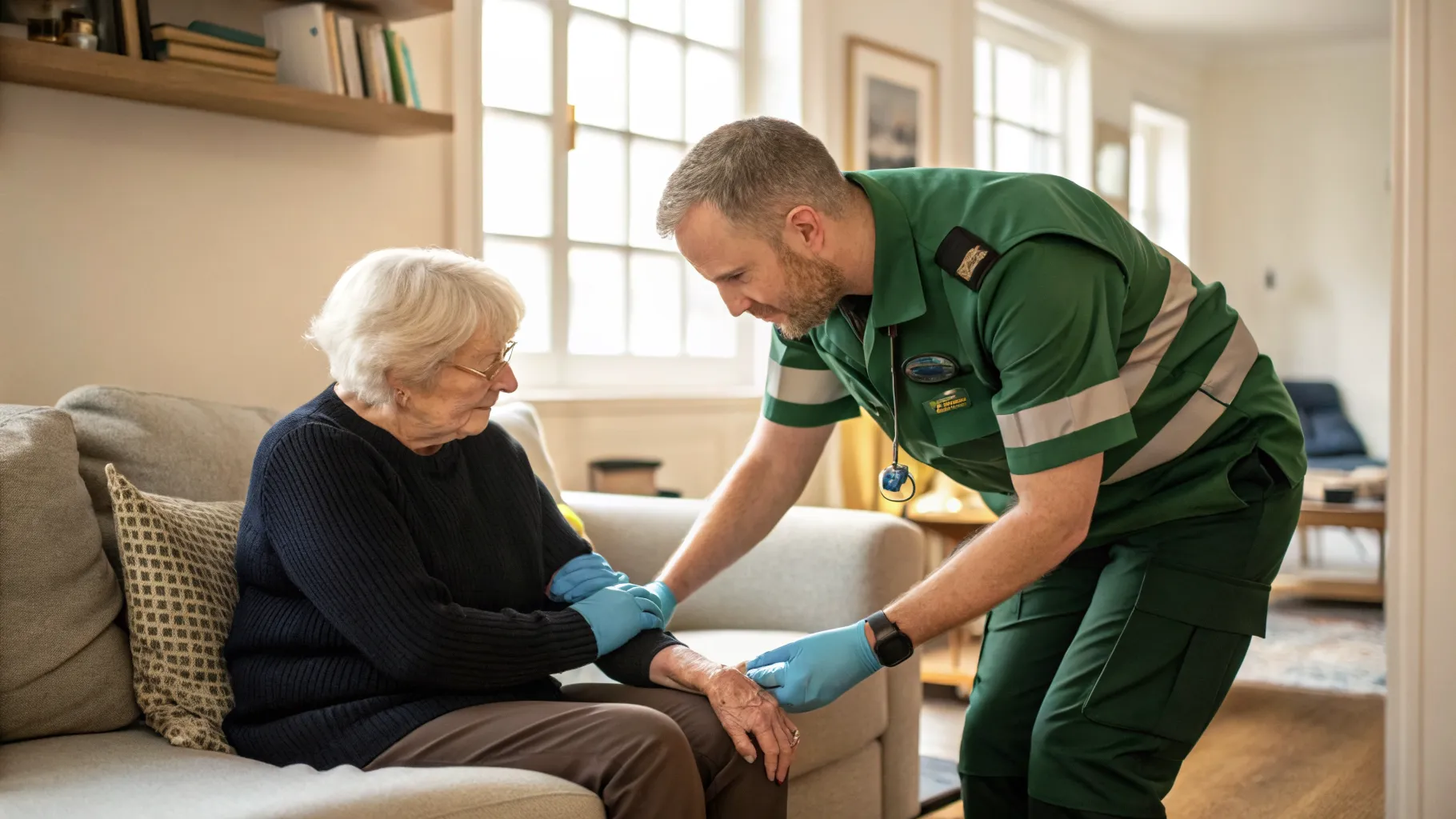
The F.A.S.T. Acronym: A Lifesaving Checklist for Stroke Symptoms
The easiest way to remember the most common symptoms is with the F.A.S.T. acronym. If you see someone experiencing these signs, it's time to act fast and call emergency services. These are the classic signs of stroke FAST symptoms that are taught globally for quick and effective identification.
F - Face Drooping
One side of the face may droop or feel numb. To check, ask the person to smile. If the smile is uneven or lopsided, it's a significant warning sign. This is one of the most visible early signs of stroke.
A - Arm Weakness
One arm may feel weak or numb. Ask the person to raise both arms. If one arm drifts downward or cannot be raised at all, this indicates potential muscle weakness associated with a stroke. This is a key part of the stroke symptoms early warning system.
S - Speech Difficulty
Speech may become slurred, or the person may be unable to speak or be understood. Sometimes they might have trouble understanding what you are saying. Ask them to repeat a simple sentence, like 'The sky is blue.' If they struggle, it's a critical symptom.
T - Time to Call Emergency Services
If you observe any of these signs, even if they seem to go away, it's time to call your local emergency number immediately. Note the time when the first symptoms appeared, as this information is vital for medical professionals. Quick action is essential when dealing with signs of stroke FAST symptoms.
Beyond F.A.S.T.: Subtle Stroke Symptoms and Early Warnings
While F.A.S.T. covers the most common indicators, there are other crucial signals to be aware of. Proper early stroke symptoms recognition involves knowing these less-obvious signs as well. They can occur alone or in combination with other symptoms.
- Sudden Numbness or Weakness: This can affect the face, arm, or leg, especially if it's confined to one side of the body. This is a hallmark stroke symptoms early warning sign.
- Sudden Confusion or Trouble Understanding: The person might suddenly seem disoriented, have trouble understanding speech, or struggle with simple cognitive tasks.
- Sudden Trouble Seeing: Vision problems in one or both eyes can be a sign. This might manifest as blurred, blackened, or double vision.
- Sudden Trouble Walking or Dizziness: A sudden loss of balance, coordination, or dizziness can indicate a stroke, particularly one affecting the cerebellum at the back of the brain.
- Sudden Severe Headache: A sudden, excruciating headache with no known cause, sometimes described as a 'thunderclap headache,' can be a symptom of a hemorrhagic stroke.
Atypical Symptoms and Demographic Considerations
It's important to note that stroke symptoms can sometimes present differently, especially in women. While women can experience all the classic F.A.S.T. symptoms, they may also report more non-traditional symptoms like general weakness, disorientation, fatigue, nausea, or vomiting. A thorough stroke warning signs guide must include these variations to ensure complete awareness across all populations. Being aware of these differences is vital for a timely diagnosis and a better outcome.
Your Actionable Stroke Prevention and Response Plan
Knowledge is power, but action saves lives. Beyond just recognizing symptoms, having a plan is crucial. This section of our stroke warning signs guide focuses on proactive steps.
- Know Your Risk Factors: Understand and manage your personal risk factors for stroke, such as high blood pressure, high cholesterol, diabetes, and smoking. Regular check-ups with your doctor are essential.
- Educate Your Family: Ensure that everyone in your household is familiar with the early signs of stroke and the F.A.S.T. acronym. Quick recognition by a loved one can make all the difference.
- Keep Emergency Numbers Handy: Have local emergency numbers clearly posted and saved in your phone. Know the location of the nearest certified stroke center.
- Don't 'Wait and See': If you suspect a stroke, never delay. Symptoms can be temporary (a transient ischemic attack or TIA), but they are often a warning of a major stroke to come. Treat any sign with urgency.
Frequently Asked Questions
What are the most critical early signs of stroke to watch for?
The most critical signs are encapsulated in the F.A.S.T. acronym: Face drooping, Arm weakness, and Speech difficulty. Any of these sudden changes requires an immediate call to emergency services. Comprehensive early stroke symptoms recognition also includes sudden vision changes, severe headache, or loss of balance.
How do the signs of stroke FAST symptoms differ from a heart attack?
Stroke symptoms are neurological, affecting the brain's control over the body (e.g., one-sided weakness, speech, vision). Heart attack symptoms typically involve chest pain or pressure, shortness of breath, and pain radiating to the arm, jaw, or back. Both are medical emergencies requiring immediate attention.
Can recognizing stroke symptoms early warning signs prevent a stroke?
Recognizing the signs of a Transient Ischemic Attack (TIA), or 'mini-stroke,' can be crucial. TIA symptoms are the same as a stroke but are temporary. A TIA is a major warning that a full-blown stroke may be imminent, and seeking immediate medical care can lead to treatments that may prevent a future, more severe stroke.
References
- American Stroke Association
- National Institute of Neurological Disorders and Stroke (NINDS)
- World Stroke Organization
- Centers for Disease Control and Prevention (CDC) - Stroke Division