Early Warning Signs of Stroke: A Critical Guide to Stroke Awareness Information
Facts:
- Stroke is a leading cause of long-term disability worldwide.
- Growing focus on proactive brain health signs for at-risk individuals.
Decoding the First Signals: Understanding Key Stroke Warning Symptoms
Recognizing the initial indications of a stroke is one of the most critical steps in preventing long-term disability or death. These events happen suddenly and require immediate medical intervention. This guide is designed to provide comprehensive stroke awareness information, helping you understand the diverse range of symptoms. By familiarizing yourself with these early stroke signs, you empower yourself and your loved ones to act swiftly, which can dramatically improve outcomes. Understanding this vital neurological symptom information is not just for older adults; a stroke can happen at any age, making this knowledge essential for everyone.
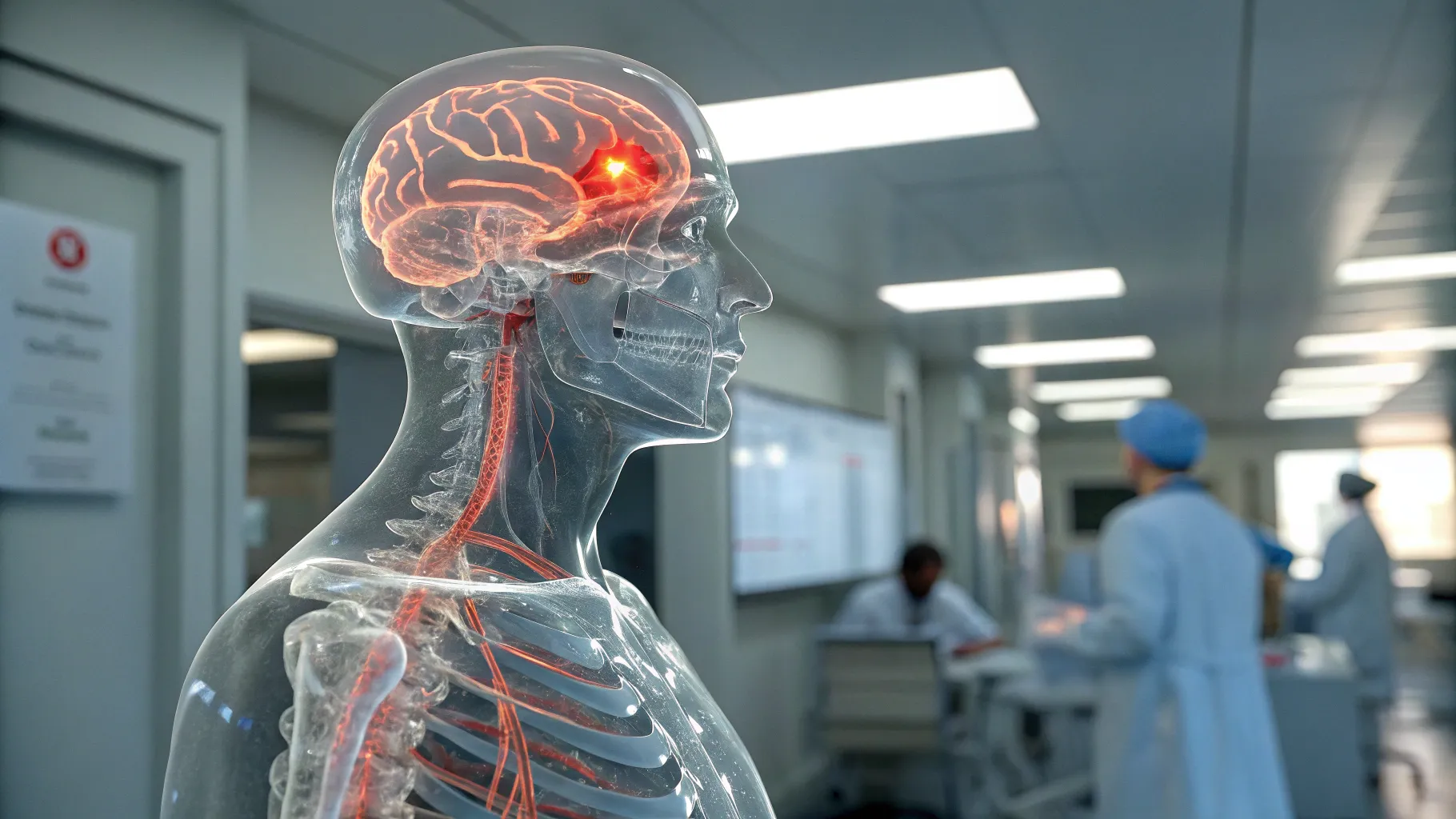
The F.A.S.T. Acronym: Your First Line of Defense
The F.A.S.T. acronym is a globally recognized tool for quickly identifying the most common stroke warning symptoms. Its simplicity is its strength, allowing anyone to assess a potential stroke situation quickly and effectively. Memorizing these steps is a fundamental part of public health and personal safety. Each component points to specific neurological symptom information that indicates a potential brain attack is in progress, demanding an urgent response.
F — Face Drooping
One of the most visible early stroke signs is sudden facial weakness, often localized to one side. Ask the person to smile. Does one side of the face droop or feel numb? An uneven smile is a major red flag. This symptom occurs because the part of the brain controlling facial muscles has been affected by a lack of blood flow, a critical piece of stroke awareness information to remember.
A — Arm Weakness
Sudden weakness or numbness in one arm is another classic indicator. To check for this, ask the person to raise both arms. If one arm drifts downward or they are unable to raise it at all, it's a significant warning. This is one of the most important brain health signs to monitor, as it directly relates to motor control centers in the brain being compromised.
S — Speech Difficulty
A stroke can severely impact a person's ability to speak and be understood. They might slur their words, use incorrect words, or be unable to speak at all. Ask the person to repeat a simple sentence, like 'The sky is blue.' If they are unable to repeat it correctly, it's a strong sign. This difficulty is vital neurological symptom information that points to the language centers of the brain being affected.
T — Time to Call Emergency Services
If you observe any of these signs, even if the symptoms seem to disappear, it is time to call emergency services immediately. Note the time when the first symptoms appeared, as this information is crucial for medical professionals. Quick action is the single most important factor in treating a stroke and minimizing damage. Time is brain, and every second counts when dealing with these stroke warning symptoms.
Beyond F.A.S.T.: Other Critical Early Stroke Signs to Watch For
While F.A.S.T. covers the most common symptoms, it's not an exhaustive list. There are other subtle but equally dangerous early stroke signs that everyone should be aware of. Recognizing these less-common indicators is a key part of comprehensive stroke awareness information. These symptoms can appear suddenly and without warning, and they all warrant immediate medical attention. Paying attention to these diverse brain health signs can be life-saving.
Sudden Numbness or Weakness
Beyond just the arm, this can occur in the face, leg, or one entire side of the body. This is a primary sensory or motor cortex symptom and is a direct result of a brain region losing its blood supply. It's a critical piece of neurological symptom information.
Sudden Confusion or Trouble Understanding Speech
A person might suddenly seem disoriented, unable to follow a conversation, or respond inappropriately. This confusion is a significant cognitive symptom and is one of the more alarming stroke warning symptoms because it affects a person's core awareness.
Sudden Trouble Seeing in One or Both Eyes
This can manifest as blurred vision, double vision, or a complete loss of vision in one or both eyes. The visual cortex of the brain is highly susceptible to blood flow disruptions, making this a serious sign.
Sudden Trouble Walking, Dizziness, or Loss of Balance
An abrupt loss of coordination, stumbling, or a feeling of intense dizziness can indicate that a stroke is affecting the cerebellum, the part of the brain that controls balance and coordination. These are crucial brain health signs not to ignore.
Sudden Severe Headache with No Known Cause
Often described as the 'worst headache of my life,' a sudden, excruciating headache can be a sign of a hemorrhagic stroke (a bleed in the brain). This is one of the most urgent early stroke signs that needs immediate evaluation.
Why Immediate Action is Crucial: The Brain Health Impact
When a stroke occurs, the blood supply to a part of the brain is cut off. Without oxygen-rich blood, brain cells begin to die within minutes. The longer a stroke goes untreated, the greater the potential for irreversible brain damage, disability, or death. This is why recognizing early stroke signs and acting fast is not just important—it is the most critical factor in a patient's outcome. The medical treatments available, such as clot-busting drugs, are most effective when administered within a few hours of the first symptom onset. Every piece of stroke awareness information emphasizes this 'time is brain' concept. Delaying can mean the difference between a full recovery and a lifetime of challenges. Understanding and acting upon these stroke warning symptoms is a profound responsibility.
Proactive Steps for Stroke Prevention and Awareness
While knowing the signs is crucial for emergency response, prevention is the best strategy. Managing key health factors can significantly reduce your risk of a stroke. Spreading this stroke awareness information helps build healthier communities. Here are actionable steps you can take to protect yourself and monitor your brain health signs:
- Manage Blood Pressure: High blood pressure is the leading cause of stroke. Work with your doctor to keep it within a healthy range through diet, exercise, and medication if needed.
- Control Cholesterol: High levels of LDL ('bad') cholesterol can lead to plaque buildup in arteries, which can cause a stroke. A heart-healthy diet can help manage your levels.
- Reduce Blood Sugar: If you have diabetes, carefully managing your blood sugar is essential, as high levels can damage blood vessels over time, increasing stroke risk.
- Get Active: Regular physical activity helps lower blood pressure, control weight, and improve the health of your blood vessels and heart. Aim for at least 150 minutes of moderate-intensity exercise per week.
- Eat a Balanced Diet: Focus on a diet rich in fruits, vegetables, whole grains, and lean proteins. Limit your intake of sodium, saturated fats, and trans fats.
- Stop Smoking: Smoking thickens your blood and increases plaque buildup in arteries. Quitting is one of the most powerful preventative actions you can take.
Frequently Asked Questions
What are the most common stroke warning symptoms I should know?
The most common symptoms are encapsulated in the F.A.S.T. acronym: Face drooping on one side, Arm weakness or numbness, Speech difficulty or slurring, and Time to call emergency services immediately. Recognizing these is the first step in a rapid response.
Can early stroke signs be subtle or come and go?
Yes. Sometimes, a person might experience a Transient Ischemic Attack (TIA), often called a 'mini-stroke,' where symptoms appear but then resolve on their own. These are serious warnings that a major stroke may be imminent and require immediate medical evaluation. Never ignore symptoms, even if they disappear.
Where can I find reliable neurological symptom information for my family?
You can find credible and up-to-date neurological symptom information from reputable organizations such as the American Stroke Association, the National Institute of Neurological Disorders and Stroke (NINDS), and the World Stroke Organization. Your primary care physician is also an excellent resource for personalized advice.
References
- American Stroke Association Guidelines
- National Institute of Neurological Disorders and Stroke (NINDS) Fact Sheet
- World Health Organization (WHO) Global Stroke Data
- Centers for Disease Control and Prevention (CDC) Stroke Information