Early Warning Signs of Ocular Migraines and Symptoms
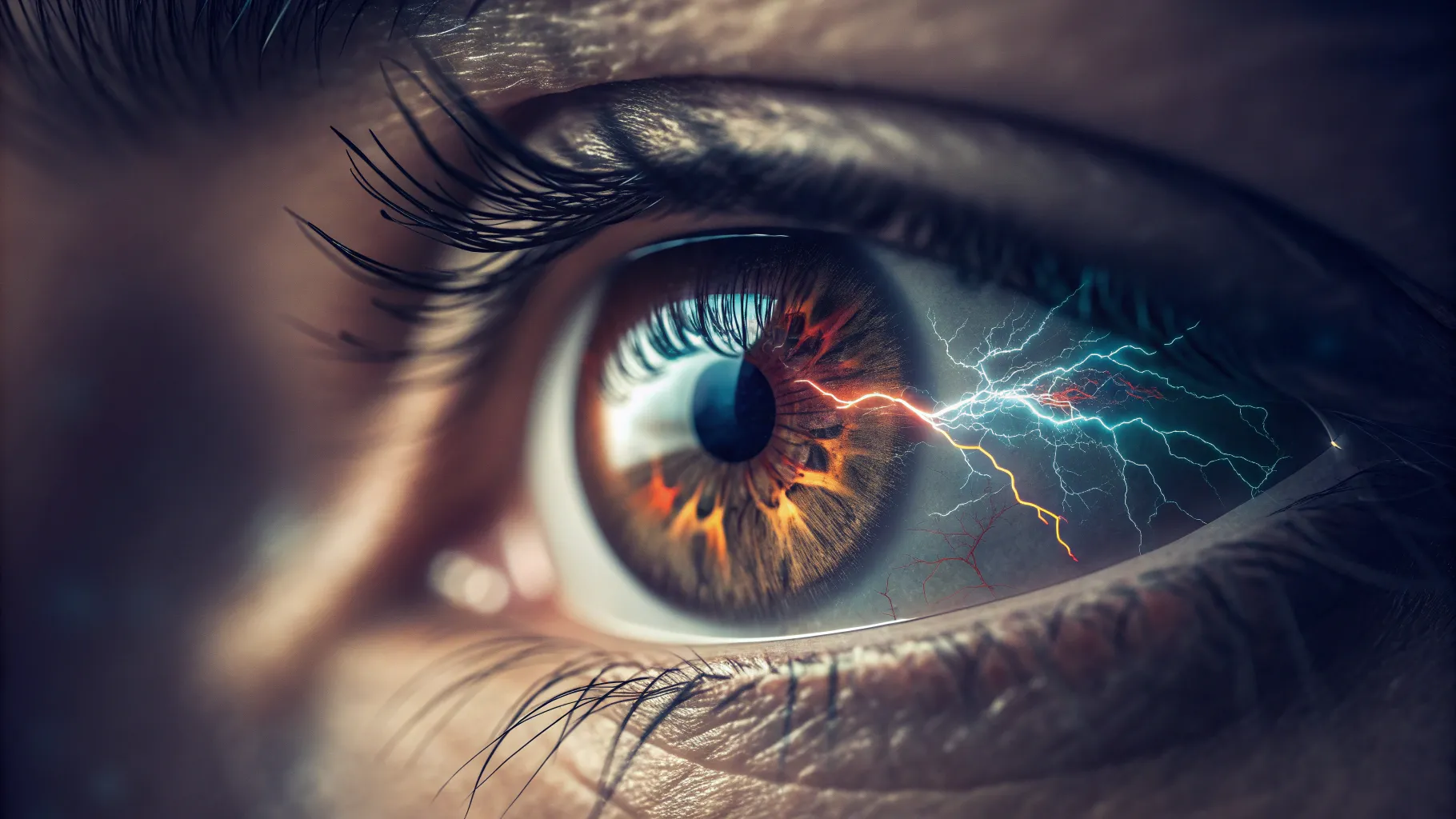
Understanding Early Warning Signs of Ocular Migraines
Ocular migraines are a specific type of migraine that can cause temporary visual disturbances, but many people are often unaware of how to detect them early. This lack of awareness can lead to missed opportunities for effective management and treatment. In 2025, it is essential to educate ourselves about the early warning signs of ocular migraines so that we can respond appropriately when they occur.
The first symptoms of ocular migraines are often subtle but can have a significant impact on one's daily life. These symptoms can manifest anywhere from minutes to hours before the migraine headache itself appears. Being able to recognize these indicators can allow individuals to take proactive steps that may lessen the severity or duration of the migraine.
Common Early Warning Signs
- Visual Disturbances: One of the most defining early markers is the onset of visual disturbances. This may include shimmering lights, zigzag patterns, or blind spots in the vision. These disturbances can last anywhere from a few minutes to about half an hour.
- Headache Onset: Following the visual symptoms, a headache usually develops. This pain can vary significantly in intensity, often accompanied by sensitivity to light, sound, and other sensory stimuli.
- Nausea or Vertigo: Some people report feelings of nausea or an unclear sense of balance during the onset of an ocular migraine.
- Fatigue: Unexplained tiredness may occur before more severe symptoms set in. Feeling unusually tired is a common indicator that a migraine could be developing.
- Difficulty Concentrating: Many individuals experience problems with focus or clarity of thought, which can precede a full-blown migraine.
According to a study published earlier this year in the Journal of Head and Face Pain, nearly 30% of migraine sufferers reported experiencing visual symptoms prior to their headaches. Understanding and being aware of these early signs helps increase the chances of early intervention and successful pain relief.
How to Detect Ocular Migraines Early
A major challenge for many is that these early indicators can easily be overlooked or misattributed to stress or lack of sleep. To effectively detect ocular migraines early, consider maintaining a migraine diary. This log can help track your symptoms, triggers, and the frequency of migraines, making it easier to identify patterns.
For example, if a person consistently notices visual disturbances corresponding to intense stress at work, they might consider integrating relaxation techniques into their day-to-day routine. Simple steps can lead to significant changes:
- **Lifestyle Adjustments:** Regular exercise, a balanced diet, and adequate hydration can help minimize the occurrence of migraines.
- **Reducing Triggers:** Learn what specific lifestyles or environmental factors trigger your migraines. Bright lights, strong smells, or even certain foods can act as precursors.
- **Stress Management:** Techniques such as meditation, yoga, and mindfulness can cultivate a more resilient mental state, which might help fend off those early warning signs.
- **Consult with Professionals:** Regular consultations with a healthcare provider can help craft a specific plan tailored to your condition, potentially including medications or alternative therapies.
In the past six months, clinics have expanded their migraine treatment and management programs, emphasizing the need for education about the early indicators of migraine episodes. Recent research indicates that acting quickly upon recognizing these signs can significantly reduce the duration of the migraine and improve overall quality of life.
Visual Disturbances: A Key Indicator
Visual disturbances associated with ocular migraines vary from person to person. Some may see colorful shimmering lights, while others may experience a temporary blind spot. These symptoms typically occur in both eyes and gradually resolve, which distinguishes them from other vision-related disorders. It is crucial to note that the presentation of these disturbances does not last long, making it essential for patients to recognize them promptly.
The underlying mechanisms of these visual symptoms are still being researched, but they have been linked to changes in brain activity. When the visual aura appears, it often foreshadows the onset of the headache phase of the migraine. This insight is crucial for those wanting to manage their condition more effectively.
Some patients have reported using techniques to combat their visual disturbances as the warning signs appear. For instance, if someone experiences the onset of flashing lights, using dark glasses or moving to a quieter, dimly lit area helps them cope until the migraine passes.
Understanding Individual Experiences
Each person's experience with ocular migraines can differ. One case study from a patient treated at a local headache center highlights that keeping a thorough record of symptoms and treatments led to better understanding and management of their migraines. In this case, the patient identified that hydration and regular meal times significantly decreased the frequency of their migraines, illustrating the importance of individualized care.
As we move further into 2025, advancements in migraine treatment continue to evolve. Ongoing research aims to clarify the biomarkers for individuals who are more susceptible to these early warning signs, paving the way for personalized approaches. Studies are increasingly showing a focus on genetics and lifestyle choices as variables that can help determine risk factors for developing ocular migraines.
By staying informed about the early warning signs of ocular migraines and actively engaging in preventive strategies, individuals are better equipped to manage their health and improve their quality of life. Recognizing the first symptoms of ocular migraines not only enhances understanding but also empowers individuals to take control of their health journey.