Early Symptoms of Epidermolysis Bullosa: A Guide to Recognizing the Signs
Facts:
- Epidermolysis Bullosa (EB) is a group of rare genetic disorders.
- Early diagnosis is crucial for managing EB skin disorder symptoms.
Identifying the First Alarming Signs of Epidermolysis Bullosa
Recognizing the early signs epidermolysis bullosa is paramount for parents and healthcare providers to ensure timely intervention and proper care. This condition, often apparent at birth or within the first few weeks of life, is characterized by extremely fragile skin that blisters and erodes at the slightest touch or friction. Understanding these initial epidermolysis bullosa symptoms can make a significant difference in managing the disorder and preventing complications. The signs are not limited to the skin; they can also manifest in mucosal linings, such as the mouth and esophagus, presenting unique challenges from the very beginning.
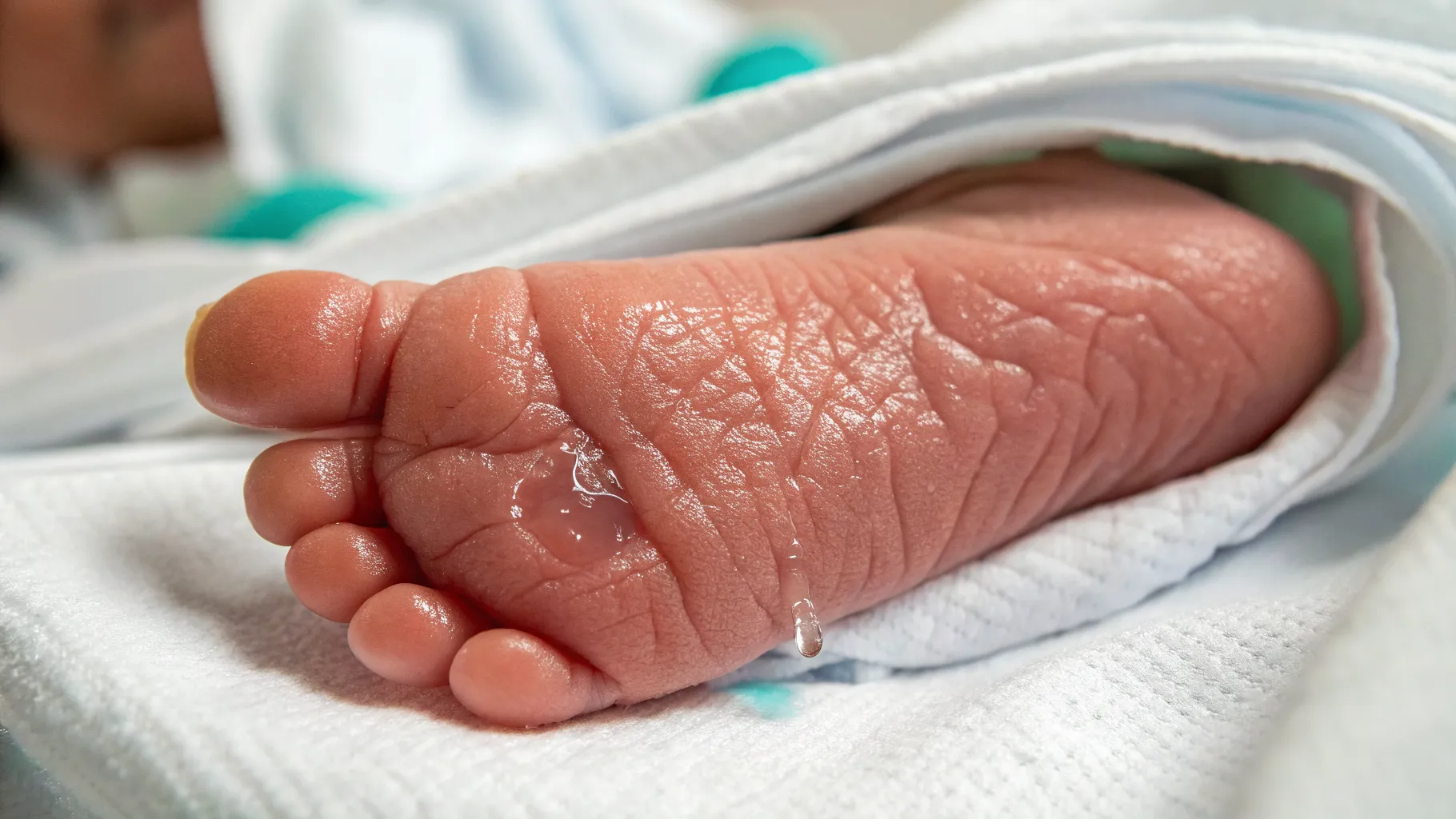
The Telltale Skin Manifestations: Beyond Simple Blisters
The most prominent of all eb skin disorder symptoms are the blisters (bullae) that form on the skin. Unlike typical friction blisters, these can appear with minimal provocation, such as from the seams of clothing, diaper friction, or even being held. In newborns, these blisters may be filled with clear or sometimes bloody fluid. A key characteristic of these genetic blistering disease signs is that new blisters can form while old ones are healing, leading to a continuous cycle of wounding. In some severe forms, areas of skin may be missing at birth, a condition known as aplasia cutis congenita. Another one of the critical early signs epidermolysis bullosa is Milia—small white bumps or cysts—which often appear on healed skin sites, particularly on the hands, feet, and around the ears.
Early Symptoms in Newborns and Infants
In the neonatal period, the epidermolysis bullosa symptoms can be particularly distressing and challenging to identify. Blistering inside the mouth is a common early indicator, often leading to difficulties with feeding, poor weight gain, and significant pain for the infant. Parents might first notice these oral lesions when the baby is reluctant to breastfeed or take a bottle. Nail abnormalities are also frequent early signs epidermolysis bullosa. Nails may be absent at birth, dystrophic (thickened and deformed), or shed completely after minor trauma. The constant fragility means that even routine care like bathing, dressing, and diaper changes must be performed with extreme caution to avoid triggering new injuries, which is a hallmark of these eb skin disorder symptoms.
Non-Cutaneous Early Indicators to Watch For
While the skin is the primary organ affected, the genetic blistering disease signs often extend beyond the surface. The fragility can affect the mucosal linings of other parts of the body. Esophageal blistering can cause pain and difficulty swallowing (dysphagia), leading to feeding aversion and potential nutritional deficiencies. In some cases, repeated blistering and scarring can cause the esophagus to narrow, requiring medical intervention. Other mucosal surfaces, such as the inside of the eyelids (conjunctiva) or the lining of the bladder and gastrointestinal tract, can also be affected, though these symptoms may be less immediately apparent. A comprehensive epidermolysis bullosa diagnosis requires looking beyond just the skin to evaluate the full systemic impact of the condition.
The Critical Path to an Accurate Epidermolysis Bullosa Diagnosis
Obtaining an accurate epidermolysis bullosa diagnosis is a multi-step process that should begin as soon as symptoms are noticed. The initial step is a thorough clinical examination by a dermatologist experienced with genetic skin disorders. If EB is suspected, the gold standard for diagnosis is a skin biopsy. A small sample of skin from a newly induced blister is taken and examined under a special microscope (immunofluorescence antigen mapping or transmission electron microscopy) to determine the exact layer of skin separation. This helps identify the major type of EB. Following the biopsy, genetic testing (DNA analysis) is typically performed to identify the specific gene mutation responsible for the condition. This not only confirms the diagnosis but also helps in determining the subtype of EB, predicting the potential severity, and providing crucial information for genetic counseling and future family planning.
Actionable Advice for Initial Management
Once epidermolysis bullosa symptoms are identified, immediate and careful management is crucial. The focus is on protecting the skin, preventing new blisters, and caring for existing wounds to prevent infection and promote healing. Here are essential steps for initial care:
- Gentle Handling: Always handle the infant with extreme care. Instead of lifting from under the arms, roll them gently onto a soft material like sheepskin or silk to move them. Avoid any rubbing or shearing forces on the skin.
- Protective Dressing: Use non-adhesive dressings on blistered and eroded areas. Silicone-based dressings are often recommended as they can be removed without causing further skin trauma. Dressings protect the wounds from infection and friction.
- Blister Management: Large, tense blisters should be lanced with a sterile needle to drain the fluid and relieve pressure, which helps prevent them from spreading. The roof of the blister should be left intact to act as a natural dressing.
- Specialized Clothing: Choose soft, seamless clothing. Some families find that wearing clothes inside out helps to avoid friction from seams. Loose-fitting garments are preferable.
- Consult Specialists: Assemble a multidisciplinary healthcare team as soon as possible. This should include a dermatologist, a specialized wound care nurse, a nutritionist, a pediatrician, and other specialists as needed for a comprehensive approach to managing the eb skin disorder symptoms.
Frequently Asked Questions
What are the very first epidermolysis bullosa symptoms I should look for in my newborn?
The most immediate early signs epidermolysis bullosa in a newborn are often blisters on the hands, feet, elbows, and knees that appear after the trauma of birth. You might also see missing patches of skin, particularly on the lower legs or feet. Blistering in the mouth and nail abnormalities are also key early indicators.
How is a definitive epidermolysis bullosa diagnosis made?
A definitive epidermolysis bullosa diagnosis involves a combination of a clinical examination, a skin biopsy for immunofluorescence mapping to see where the skin is splitting, and genetic testing to identify the specific gene mutation. This comprehensive process confirms the condition and its specific subtype.
Are all genetic blistering disease signs the same?
No, the severity and presentation of genetic blistering disease signs vary widely depending on the type and subtype of Epidermolysis Bullosa. Some forms are mild and may only cause minor blistering on the hands and feet, while severe forms can cause widespread, life-threatening blistering and affect internal organs.
References
- National Institute of Arthritis and Musculoskeletal and Skin Diseases (NIAMS)
- Dystrophic Epidermolysis Bullosa Research Association (debra) International
- American Academy of Dermatology (AAD)
- Genetic and Rare Diseases Information Center (GARD)