Early Symptoms of Epidermolysis Bullosa: Key Signs to Watch For
Facts:
- Epidermolysis Bullosa (EB) affects 1 in 50,000 live births.
- Awareness of early signs is crucial for families seeking diagnosis.
Recognizing the First Indicators of This Genetic Blistering Disease
Epidermolysis Bullosa (EB) is a group of rare genetic connective tissue disorders that cause extremely fragile skin, leading to painful blistering and wounds from minor friction or trauma. Identifying the early signs epidermolysis bullosa is paramount for prompt medical intervention, which can significantly improve quality of life and manage the condition's progression. Understanding these initial indicators helps parents and caregivers distinguish them from common skin issues. The primary challenge lies in the variability of epidermolysis bullosa symptoms, which can range from mild to life-threatening. Therefore, early and accurate recognition is the first step toward a proper epidermolysis bullosa diagnosis and implementing a specialized care plan.
The Telltale Skin Manifestations of EB
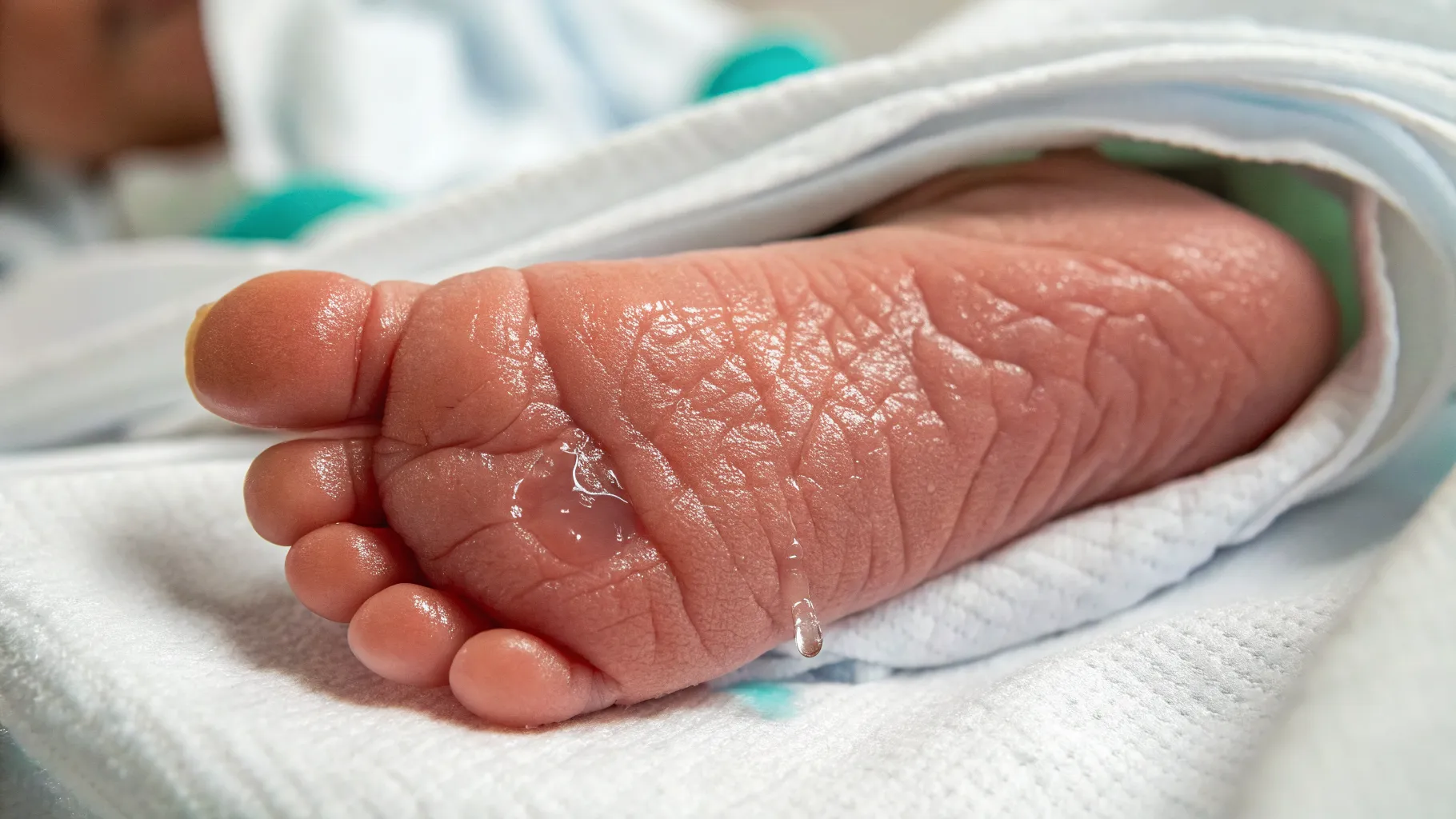
The most prominent and universal of all epidermolysis bullosa symptoms are skin blistering and fragility. These are not ordinary blisters; they can form in response to the slightest touch, rubbing, or even an increase in temperature. In newborns, these signs may appear immediately after birth, often on the hands and feet from the friction of kicking. The blisters can be filled with clear or bloody fluid. When they rupture, they leave raw, painful erosions that are slow to heal and prone to infection. Another one of the key eb skin disorder symptoms is the peeling of large areas of skin. Milia, which are tiny white bumps or cysts, often appear on the skin, especially at sites of previous blistering as they heal. The severity of these skin-related genetic blistering disease signs varies greatly depending on the specific type of EB, from localized blistering in milder forms to widespread and severe blistering in more critical types.
Symptoms Beyond the Skin: Oral and Mucosal Involvement
While the skin is the most visibly affected organ, the early signs epidermolysis bullosa are not confined to the external surface. The same fragility affects the mucous membranes, leading to a range of internal complications. Oral involvement is common, with blistering and erosions developing inside the mouth, on the tongue, and on the gums. This can make eating and swallowing extremely painful, leading to poor nutrition and failure to thrive in infants. Blistering can also occur in the esophagus, causing narrowing (strictures) that further complicates swallowing. Other mucosal surfaces, such as the lining of the eyes, respiratory tract, and gastrointestinal tract, can also be affected. Recognizing these non-cutaneous genetic blistering disease signs is a critical part of a comprehensive epidermolysis bullosa diagnosis and management plan.
Distinguishing Early EB from Common Childhood Skin Issues
For new parents, it can be difficult to differentiate the early signs epidermolysis bullosa from more common infant skin conditions like friction blisters, diaper rash, or impetigo. The key distinguishing factor is the cause and persistence of the blistering. Blisters in EB form with minimal or no apparent trauma, whereas typical friction blisters require significant rubbing. The wounds in EB are often slow to heal and may result in scarring or milia, which is less common with other conditions. If blistering is widespread, occurs in unusual locations like the mouth or nails, or is accompanied by nail dystrophy or loss, it strongly points towards the need for an epidermolysis bullosa diagnosis. Consulting a dermatologist who specializes in genetic skin disorders is crucial when such eb skin disorder symptoms are observed to rule out other possibilities and confirm the presence of this condition.
The Critical Path to an Epidermolysis Bullosa Diagnosis
Receiving an accurate epidermolysis bullosa diagnosis is a multi-step process that begins with a thorough clinical examination by a dermatologist. The physician will assess the pattern and severity of blistering, check for mucosal involvement, and take a detailed family history. To confirm the diagnosis and determine the specific type and subtype of EB, a skin biopsy is usually performed. In this procedure, a small sample of skin is taken from a freshly induced blister and examined under a powerful microscope. This analysis, known as immunofluorescence antigen mapping or transmission electron microscopy, helps identify which layer of the skin is affected. The definitive diagnostic step is genetic testing. A blood sample is analyzed to identify the specific gene mutation responsible for the condition. This not only confirms the diagnosis but also provides vital information for genetic counseling and predicting the disease's potential severity and course.
Actionable Steps for Managing Early Symptoms
Once epidermolysis bullosa symptoms are identified, a proactive management strategy is essential to protect the skin and improve comfort. The focus is on gentle handling and wound care. Here are some actionable steps:
- Wound Care: Use non-adherent dressings to cover blisters and raw areas. This prevents dressings from sticking to the fragile skin and causing further trauma upon removal. Change dressings regularly to prevent infection.
- Bathing: Bathe in lukewarm water with a mild, salt-based solution to gently cleanse wounds and reduce infection risk. Avoid rubbing the skin; pat dry very gently with a soft towel.
- Clothing and Environment: Dress the individual in soft, loose-fitting clothing with minimal seams. Keep the living environment cool to reduce friction and sweating, which can exacerbate blistering.
- Nutrition: For those with oral or esophageal blistering, a soft or liquid diet is necessary. Consulting a dietitian is crucial to ensure adequate caloric and nutrient intake for growth and wound healing.
- Specialist Consultation: Immediately seek out a multidisciplinary EB clinic if possible. Care teams often include dermatologists, wound care nurses, dietitians, and pain management specialists who can provide comprehensive guidance.
Frequently Asked Questions
What are the very first epidermolysis bullosa symptoms in a newborn?
In newborns, the very first epidermolysis bullosa symptoms often include missing patches of skin at birth, or the rapid formation of blisters on the hands, feet, elbows, and knees from the minor friction of movement in the crib or during handling. Blistering inside the mouth can also be an early indicator.
Is there a cure for this genetic blistering disease?
Currently, there is no cure for Epidermolysis Bullosa. Treatment focuses on managing the symptoms, primarily through meticulous wound care, pain management, nutritional support, and preventing complications like infection and scarring. Research into gene therapy and other novel treatments is ongoing.
How is an epidermolysis bullosa diagnosis confirmed?
A definitive epidermolysis bullosa diagnosis is confirmed through a combination of a skin biopsy, which identifies the level of skin separation, and genetic testing, which pinpoints the specific gene mutation causing the disorder. Clinical observation of the early signs epidermolysis bullosa is the first step that leads to this testing.
Can EB skin disorder symptoms appear later in life?
While most severe forms of EB are evident at birth or in infancy, some milder forms, like Epidermolysis Bullosa Simplex, may not become apparent until late childhood or even early adulthood when an individual engages in more strenuous physical activities that cause friction.
References
- National Institute of Arthritis and Musculoskeletal and Skin Diseases (NIAMS)
- Dystrophic Epidermolysis Bullosa Research Association (DEBRA) International
- American Academy of Dermatology (AAD)
- The Journal of Investigative Dermatology