Myeloma Warning Signs: A Guide to Understanding the Early Symptoms
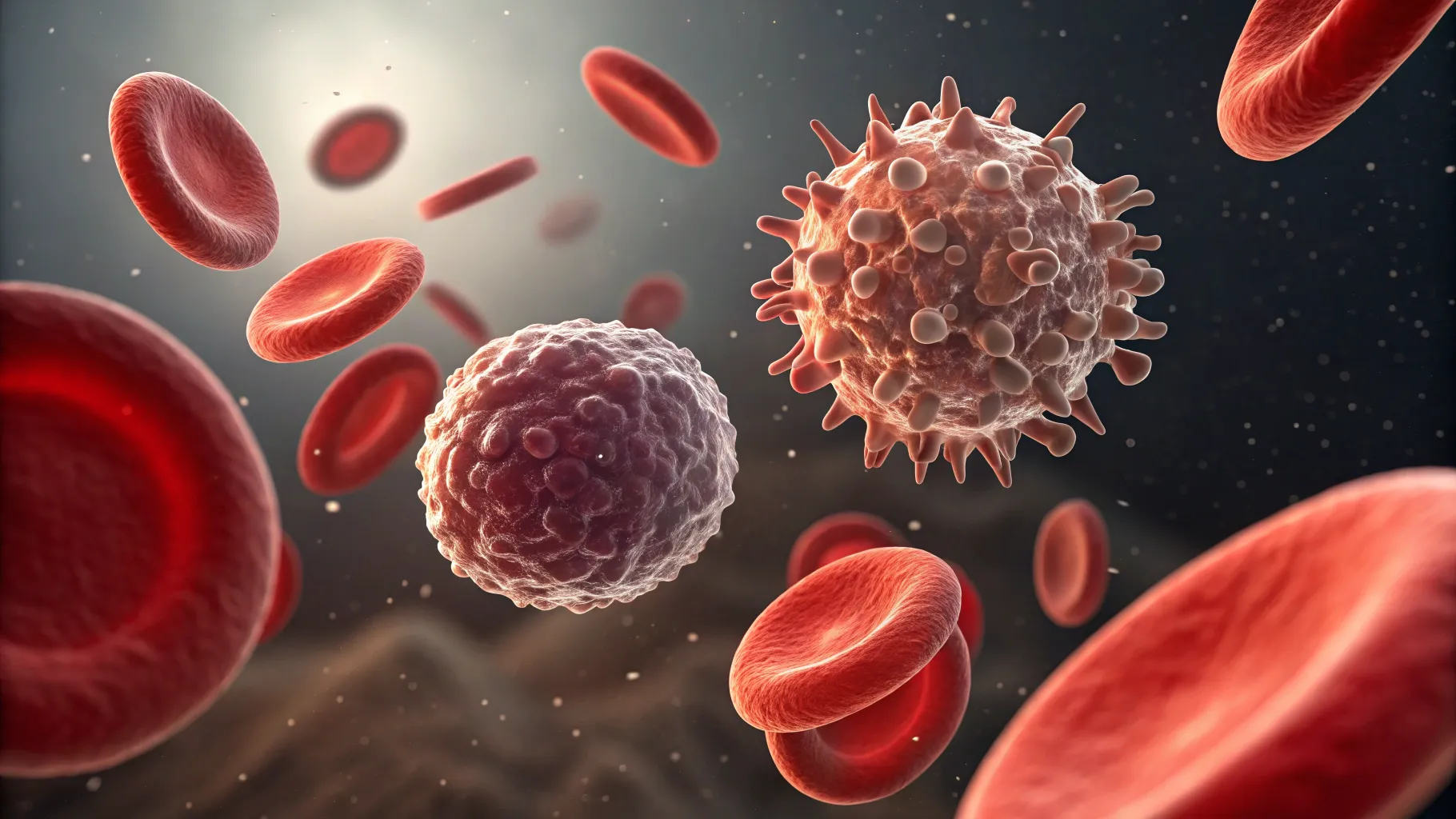
Multiple myeloma is a type of cancer that affects plasma cells, a type of white blood cell found in the bone marrow. Recognizing the initial indicators is crucial for early diagnosis and management. This guide provides essential information on understanding early signs of myeloma, helping you identify potential concerns sooner rather than later.
How Myeloma Starts: A Brief Overview
Understanding the disease begins with knowing how myeloma starts. It originates in the bone marrow when a plasma cell becomes cancerous and multiplies uncontrollably. These malignant cells, known as myeloma cells, can crowd out healthy blood cells and produce abnormal proteins that lead to complications. Unlike many cancers that form a single tumor, myeloma often affects multiple areas of the bone, which is why it's called 'multiple' myeloma.
The Most Common Early Symptoms of Myeloma
The first signs of myeloma can often be subtle and mistaken for other, more common conditions. However, some symptoms are more prevalent and should not be ignored. Paying attention to these early symptoms of myeloma is a critical first step.
Bone Pain and Weakness
One of the most frequent complaints is persistent bone pain, especially in the back, hips, and skull. Myeloma cells can damage bones, making them weaker and more susceptible to fractures. This pain is often described as a deep, dull ache that doesn't go away with rest.
Persistent Fatigue
Feeling unusually tired or weak is another common symptom. This fatigue is often caused by anemia, a condition where your body has a lower-than-normal number of red blood cells. Myeloma cells can crowd out healthy red blood cell production in the bone marrow, leading to this exhaustion.
Recognizing Subtle Myeloma Warning Signs
Beyond the more obvious symptoms, there are several other myeloma warning signs that can indicate a problem. These symptoms often relate to the complications caused by the abnormal proteins produced by myeloma cells.
- Frequent Infections: Myeloma compromises the immune system by reducing the number of normal, infection-fighting plasma cells. This can lead to more frequent illnesses, such as pneumonia, sinus infections, or urinary tract infections.
- Kidney Problems: The abnormal proteins can build up and damage the kidneys, impairing their ability to filter waste. Signs of kidney issues can include reduced urination, swelling in the legs, and shortness of breath.
- Nerve Damage (Neuropathy): The buildup of proteins can also be toxic to nerves, causing weakness, numbness, or a 'pins and needles' sensation, particularly in the hands and feet.
Understanding the 'CRAB' Criteria
Healthcare professionals often use the acronym CRAB to remember the key indicators and complications associated with multiple myeloma. Understanding these criteria is essential for grasping the full picture of the disease.
- C - Calcium (elevated levels): Bone breakdown can release excess calcium into the blood, a condition called hypercalcemia, which can cause confusion, constipation, and extreme thirst.
- R - Renal (kidney) failure: As mentioned, kidney damage is a significant concern.
- A - Anemia: A low red blood cell count leading to fatigue and weakness.
- B - Bone lesions: Damage and weak spots in the bones detected on imaging scans.
When to Act on the First Signs of Myeloma
If you experience any of the persistent symptoms discussed, it is vital to consult a healthcare provider. While these signs can be caused by many other conditions, it's always best to get a professional evaluation. Discussing the first signs of myeloma you've noticed can lead to appropriate testing and a timely diagnosis, which is key to managing the condition effectively. Early intervention can significantly improve outcomes and quality of life.
References:
https://www.cancer.org/cancer/types/multiple-myeloma/detection-diagnosis-staging/signs-symptoms.html
https://www.mayoclinic.org/diseases-conditions/multiple-myeloma/symptoms-causes/syc-20353378
https://www.myeloma.org/what-is-multiple-myeloma/signs-symptoms