Don't Ignore These Early Signs of Lung Cancer: A 2025 Health Guide
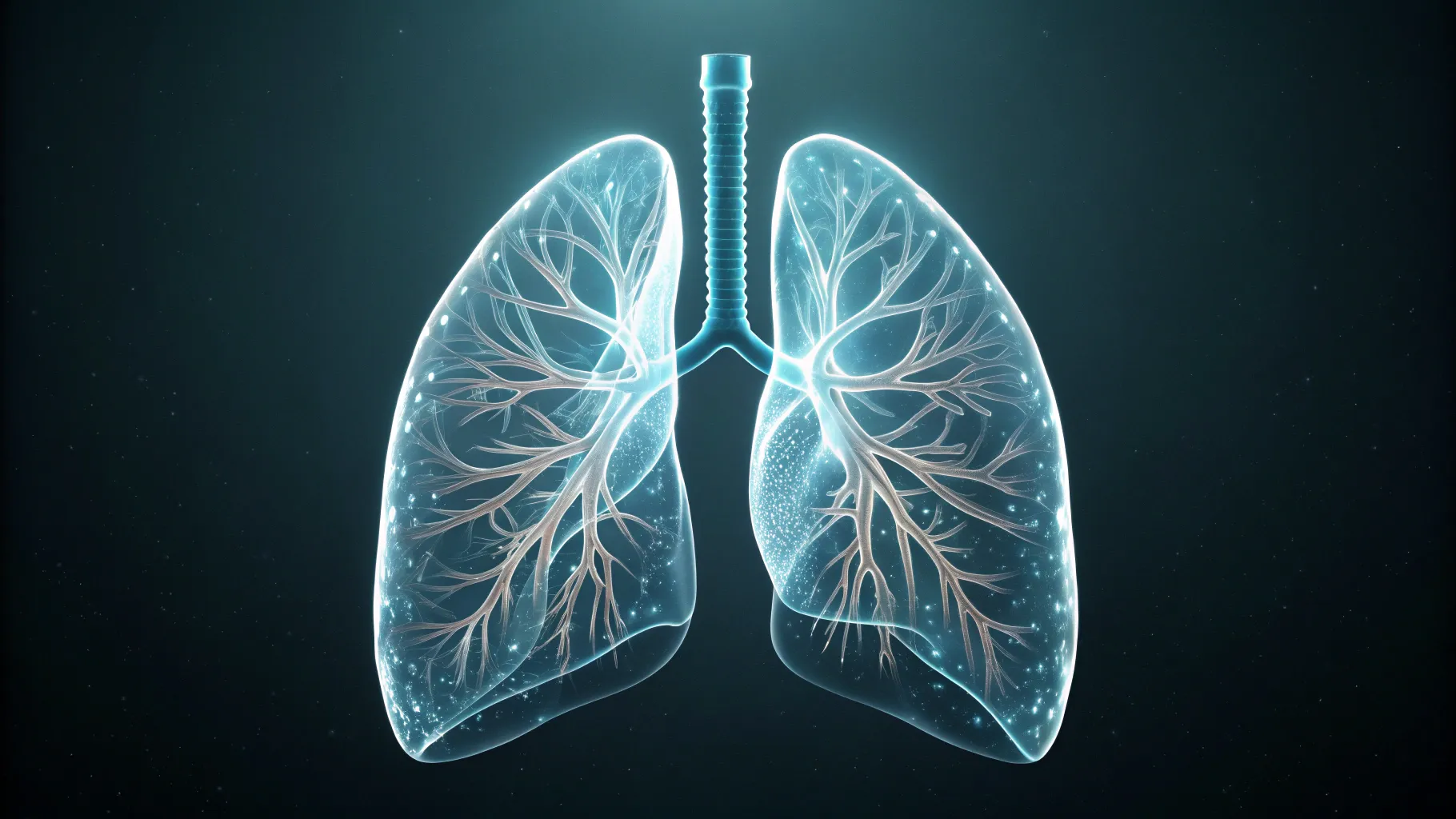
As we move through 2025, maintaining lung health awareness has never been more critical. Recognizing the subtle, early signs of lung cancer can significantly improve outcomes. Many symptoms can be mistaken for less serious conditions, making it vital to understand the key indicators. This guide provides an essential overview of common lung symptom patterns and respiratory symptom basics to empower you and your loved ones.
A Persistent Cough You Shouldn't Ignore
One of the most frequently reported early lung cancer signs is a new cough that doesn't go away. While coughs are common, one that lingers for weeks or months is a red flag. Pay close attention to any changes in a chronic 'smoker's cough' as well. This persistent cough information is crucial; if the cough becomes deeper, sounds hoarse, or produces mucus or blood, it's time to see a doctor immediately. It's one of the most fundamental lung condition indicators.
Changes in Breathing and Shortness of Breath
Experiencing shortness of breath or becoming easily winded during activities you used to handle with ease can be concerning. This symptom, often described as an inability to catch your breath, is a key part of our breathing discomfort overview. It may be caused by a tumor blocking an airway or fluid buildup around the lung. Don't dismiss this feeling, especially if it's new and persistent.
Pain and Discomfort in the Chest Area
Pain in the chest, shoulder, or back can be another warning sign. This discomfort might not be related to coughing. It can feel like a dull, aching, or sharp pain. Paying attention to these common lung symptom patterns is important, as they can indicate pressure from a growing tumor. While chest pain can have many causes, persistent and unexplained pain warrants a medical evaluation.
Systemic Symptoms: Unexplained Weight Loss and Fatigue
Lung cancer can cause systemic symptoms that affect the whole body, not just the respiratory system. Unexplained weight loss, a loss of appetite, and persistent fatigue are significant lung condition indicators. These symptoms occur as cancer cells consume the body's energy. If you are losing weight without trying or feel constantly tired for no clear reason, it's essential to investigate the underlying cause.
Important Notes on Senior Respiratory Health
For older adults, it's particularly important to monitor for these signs. Symptoms like fatigue or shortness of breath are sometimes mistakenly dismissed as normal parts of aging. However, a focus on senior respiratory health is vital for early detection. Seniors and their caregivers should be proactive in discussing any new or worsening respiratory symptoms with a healthcare provider to ensure they are not overlooked.
References:
https://www.cancer.org/cancer/types/lung-cancer/detection-diagnosis-staging/signs-symptoms.html
https://www.cdc.gov/cancer/lung/basic_info/symptoms.htm
https://www.cancer.gov/types/lung/patient/lung-prevention-pdq