Don't Ignore These Early Signs of Liver Disease: A Comprehensive Guide
Fast Facts:
- Early Detection is Key: Liver disease is often silent in its early stages.
- A global health concern affecting millions, often linked to lifestyle.
Decoding Your Body's Whispers: Key Liver Disease Warning Signs
Your liver is a resilient organ, but it's not invincible. Many people silently wonder, 'do i have liver disease?' because the initial symptoms can be incredibly subtle and easily mistaken for general fatigue or other minor health issues. Understanding the earliest indicators is crucial for seeking timely medical advice and preventing progression to more serious conditions. This guide will walk you through the essential liver disease warning signs you should never ignore, helping you to be proactive about your health.
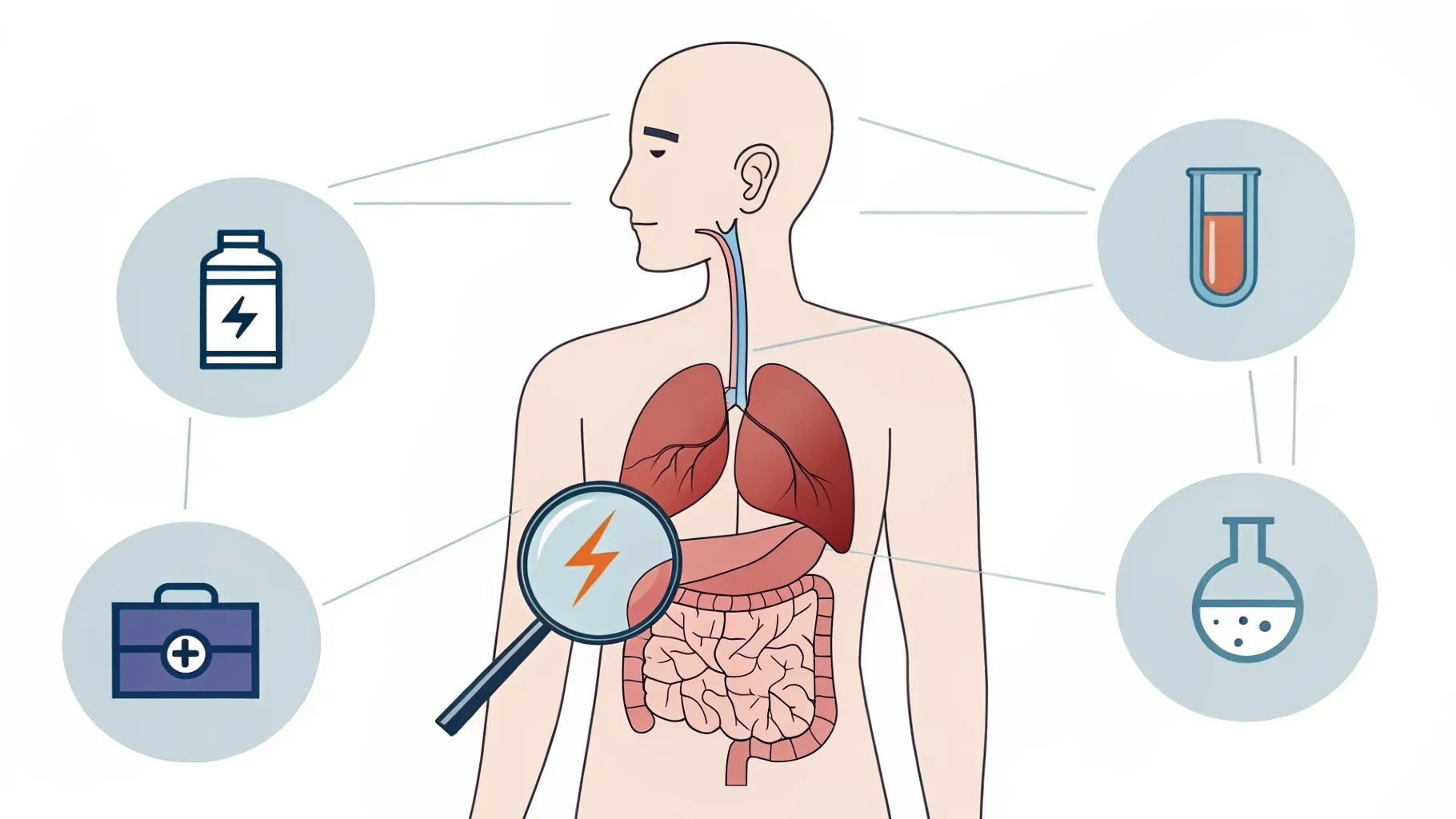
The Subtle Symptoms You Might Be Overlooking
1. Persistent Fatigue and Weakness
One of the most common yet non-specific early liver disease symptoms is a profound sense of tiredness that isn't relieved by rest. This occurs because a struggling liver can't efficiently process energy and nutrients from the food you eat.
2. Abdominal Discomfort or Swelling
Pain or tenderness in the upper right abdomen, right below your rib cage, can be an indicator of liver inflammation. As the condition progresses, you might also experience bloating or swelling (ascites) due to fluid buildup.
3. Skin and Eye Changes (Jaundice)
A yellowing of the skin and the whites of the eyes, known as jaundice, is a classic sign of liver problems. It happens when the liver can't properly process bilirubin, a yellow pigment formed from the breakdown of red blood cells.
4. Unexplained Nausea or Loss of Appetite
Feeling consistently nauseous or losing interest in food can be linked to a decline in liver function. The liver plays a key role in digestion, and when it's compromised, it can lead to these digestive disturbances. Many fatty liver symptoms begin this way.
5. Dark Urine or Pale Stools
Changes in the color of your urine (becoming dark brown or orange) or stools (becoming pale, clay-colored, or bloody) are significant liver problems signs. These changes are directly related to the liver's inability to process bilirubin correctly.
6. Easy Bruising or Bleeding
If you notice you're bruising or bleeding more easily than usual, it could be a sign your liver isn't producing enough proteins necessary for blood clotting. This is a critical warning sign that should not be ignored.
Proactive Steps for Your Liver Health
- Consult a Healthcare Professional: If you recognize any of these symptoms, schedule an appointment with your doctor for a proper diagnosis.
- Adopt a Liver-Friendly Diet: Focus on whole foods, fruits, vegetables, and lean proteins while limiting processed foods, sugar, and unhealthy fats.
- Limit Alcohol Consumption: Excessive alcohol is a leading cause of liver damage. Reducing or eliminating alcohol can significantly benefit your liver.
- Maintain a Healthy Weight: Obesity is a major risk factor for non-alcoholic fatty liver disease (NAFLD). Regular exercise and a balanced diet can help manage your weight.
Frequently Asked Questions
What is the very first sign of liver problems?
Often, the very first sign is persistent fatigue or a general feeling of being unwell, which is why it's frequently overlooked. Abdominal discomfort in the upper right quadrant is also an early indicator for many.
Can you reverse liver damage?
In its early stages, such as simple fatty liver, damage can often be reversed with significant lifestyle changes like diet, exercise, and avoiding alcohol. However, more advanced damage like cirrhosis is generally irreversible.
How can I check my liver health at home?
While you can monitor for the early signs of liver disease, there is no definitive way to check your liver health at home. A proper diagnosis requires blood tests (liver function tests) and sometimes imaging studies ordered by a doctor.
References
- American Liver Foundation
- National Institute of Diabetes and Digestive and Kidney Diseases (NIDDK)
- World Health Organization (WHO)