Early Signs of Liver Disease: Symptoms You Shouldn't Ignore
Facts:
- Over 100 different types of liver disease exist worldwide.
- Non-alcoholic fatty liver disease is a growing health concern.
Decoding the First Whispers: Recognizing Early Liver Disease Warning Signs
Your liver is a resilient and vital organ, but it often suffers in silence during the initial stages of damage. Many people dismiss the first indicators, attributing them to stress or aging. However, understanding the early liver disease symptoms is absolutely critical for preventing irreversible harm. If you've been concerned about potential liver problems signs, it's time to pay attention to your body's signals. This comprehensive guide will walk you through the various signs, helping you distinguish between minor ailments and genuine liver disease warning signs that require medical attention.
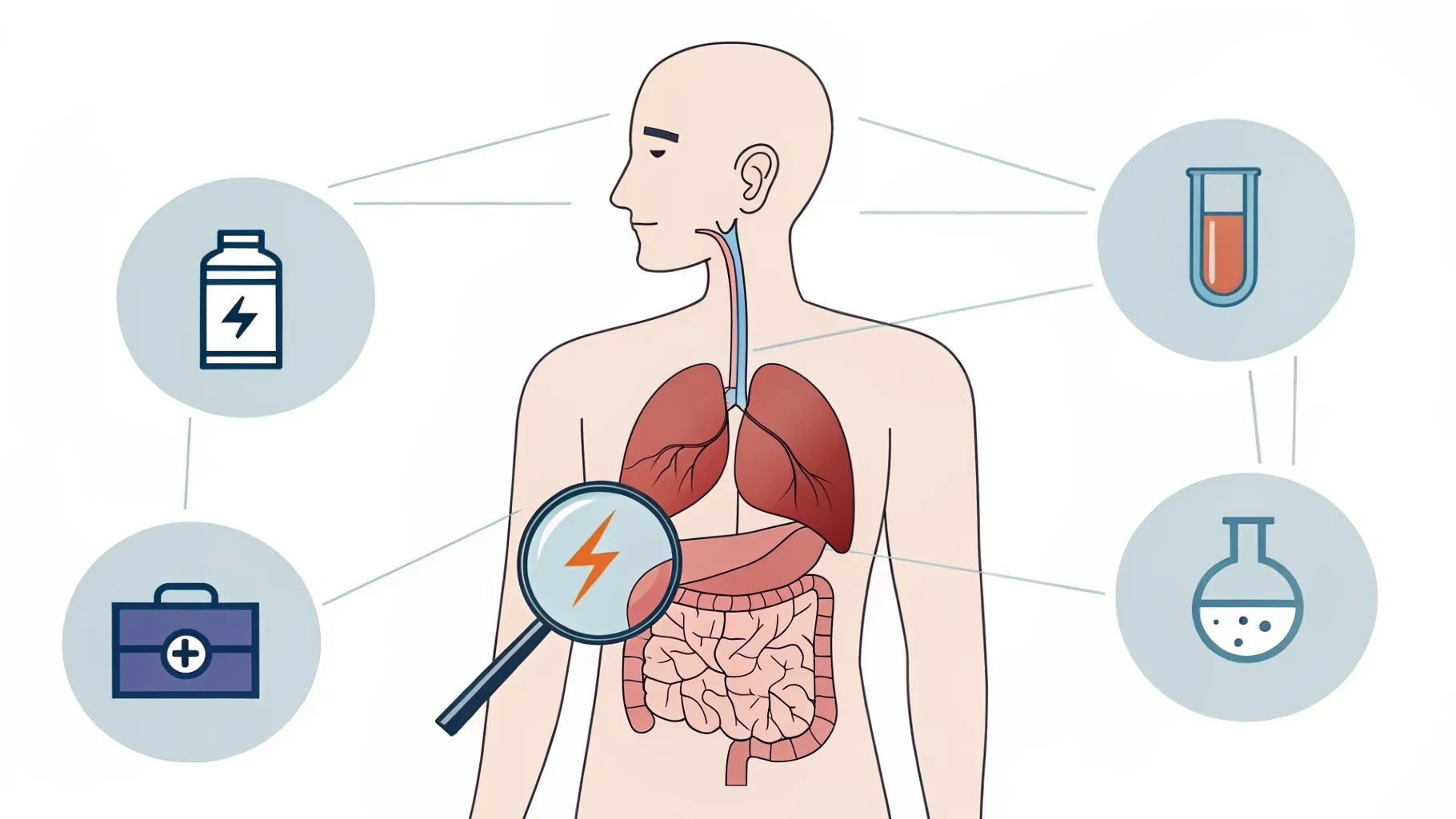
Common Physical Manifestations: Visible Liver Problems Signs
Some of the most recognizable early signs of liver disease appear on your skin. Jaundice, a condition that causes your skin and the whites of your eyes to turn yellow, is a classic sign. This occurs when the liver can't properly process bilirubin, a yellow pigment. Another common symptom is persistent skin itching (pruritus) that isn't caused by a rash. You might also notice that you bruise or bleed more easily, as a damaged liver produces fewer of the proteins necessary for blood clotting. These are significant liver disease warning signs that should not be ignored. Swelling in the legs and ankles (edema) can also occur due to fluid retention, another indicator of compromised liver function.
Internal Alarms: Changes in Digestion and Bodily Functions
Beyond the skin, you may notice significant changes related to your digestive system. Abdominal pain, particularly in the upper right quadrant where your liver is located, can be an early indicator. This discomfort is often accompanied by swelling or a feeling of fullness due to fluid buildup, a condition known as ascites. Changes in your bathroom habits are also crucial fatty liver symptoms. Pay attention to stool that is pale, bloody, or tar-colored, as well as urine that is consistently dark. Nausea, vomiting, and a persistent loss of appetite are also common early liver disease symptoms that signal your body is struggling to process nutrients and toxins effectively.
The Overwhelming Fatigue: A Telltale Sign of Liver Distress
One of the most frequently reported yet often overlooked liver problems signs is chronic fatigue. This isn't just normal tiredness; it's a profound sense of exhaustion and lethargy that isn't relieved by rest or sleep. The liver plays a central role in energy metabolism, converting food into usable energy and storing it. When its function is impaired, your body's energy supply can be severely affected. If you find yourself constantly drained of energy without a clear reason, it could be a significant clue among other early liver disease symptoms that your liver is under strain.
When to Ask: 'Do I Have Liver Disease?'
It's natural to feel anxious and ask yourself, 'do i have liver disease?' when experiencing some of these symptoms. While these signs can be associated with other conditions, their persistence or appearance in combination should prompt a visit to a healthcare professional. Certain risk factors increase your likelihood of developing liver problems, including heavy alcohol use, obesity, type 2 diabetes, and a family history of liver disease. Don't self-diagnose or panic. The best course of action is to schedule a consultation, discuss your symptoms and risk factors, and get proper medical tests, such as blood tests and imaging, to get a definitive answer and appropriate care.
Actionable Steps to Protect Your Liver Health
While some liver conditions are genetic, many are preventable through lifestyle choices. Taking proactive steps can significantly reduce your risk of developing liver disease. Here are some effective strategies to implement:
- Maintain a Healthy Diet: Focus on a balanced diet rich in fruits, vegetables, whole grains, and lean proteins. Reduce your intake of high-calorie meals, saturated fat, refined carbohydrates (like white bread and sugars), and processed foods. This is the first line of defense against fatty liver symptoms.
- Exercise Regularly: Aim for at least 30 minutes of moderate-intensity exercise most days of the week. Consistent physical activity helps you maintain a healthy weight and can reduce liver fat.
- Limit Alcohol Consumption: Excessive alcohol is a primary cause of liver damage. If you choose to drink, do so in moderation. For many people with existing liver problems signs, complete abstinence is recommended.
- Avoid Toxins: Be cautious with chemicals in cleaning products, aerosols, and insecticides. When using them, ensure the area is well-ventilated. Your liver must process these toxins, so limiting exposure reduces its workload.
- Use Medications Wisely: Always follow the recommended dosage for over-the-counter and prescription medications. Overuse of certain drugs, like acetaminophen, can harm your liver. Discuss all medications and supplements with your doctor.
Frequently Asked Questions
What are the most overlooked early liver disease symptoms?
The most commonly overlooked early liver disease symptoms are chronic fatigue, mild abdominal discomfort on the upper right side, and a general feeling of being unwell (malaise). Because these are non-specific, people often attribute them to other life factors, delaying a potential diagnosis.
Can fatty liver symptoms be reversed?
Yes, in many cases, especially in the early stages, the effects of non-alcoholic fatty liver disease (NAFLD) can be reversed. The most effective treatments for fatty liver symptoms involve lifestyle changes such as weight loss through a healthy diet, regular exercise, and avoiding alcohol. Reversing the condition is key to preventing its progression to more serious liver damage.
If I have these symptoms, do I have liver disease for sure?
Not necessarily. Many of these symptoms can be caused by other health issues. It is a prompt to see a doctor. The question 'do i have liver disease?' can only be answered accurately by a medical professional after a thorough evaluation, which may include blood tests, an ultrasound, or other diagnostic procedures. Self-diagnosis can lead to unnecessary anxiety or the neglect of a different, serious condition.
References
- American Liver Foundation
- National Institute of Diabetes and Digestive and Kidney Diseases (NIDDK)
- World Health Organization (WHO) - Hepatitis Reports
- Journal of Hepatology - Clinical Practice Guidelines