Early Signs of Liver Damage Recognizing and Reversing Issues
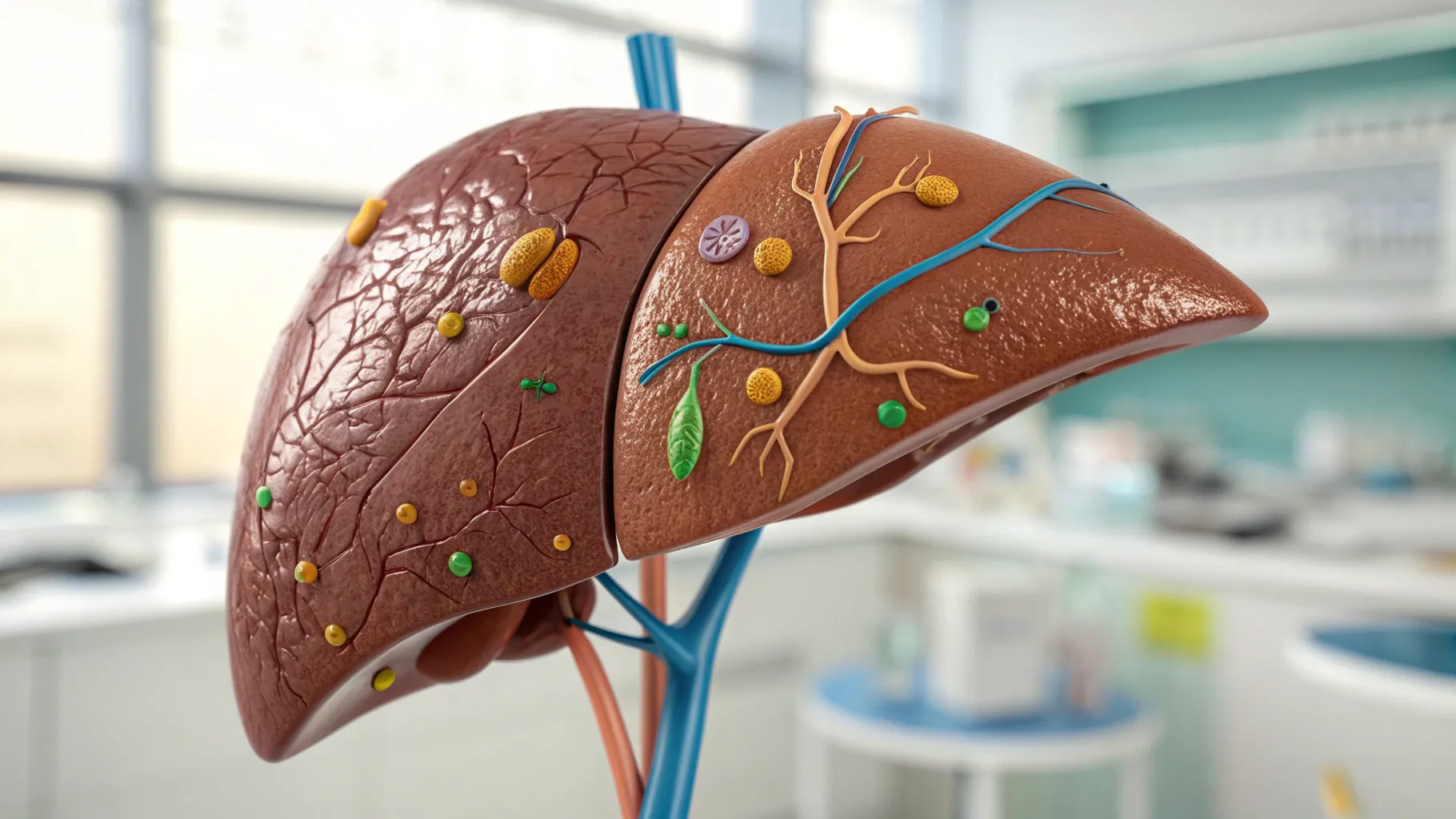
Understanding Early Signs of Liver Damage
The liver, one of the largest organs in the human body, performs crucial functions that are vital for health, such as detoxifying harmful substances, producing bile for digestion, and regulating metabolism. However, lifestyle choices, environmental factors, and underlying health conditions can lead to liver damage. Awareness and understanding of these early signs of liver damage are more crucial than ever in 2025, as liver disease continues to be a leading cause of morbidity and mortality worldwide.
Recognizing Early Signs of Liver Issues
Every year, millions of people unknowingly suffer from liver issues that could have been detected early. Recognizing the early warning signs of liver damage can significantly improve outcomes and can even save lives. Here are some key indicators to watch for:
- Fatigue: Chronic fatigue that persists without a clear reason is often the body's way of signaling distress, including liver dysfunction.
- Unexplained Weight Loss: Unintentional weight loss, especially when it occurs without changes to diet or exercise, should raise concerns for potential liver problems.
- Jaundice: One of the most visible signs is jaundice, characterized by yellowing of the skin and eyes, indicating the liver's struggle to process bilirubin effectively.
- Changes in Appetite: A noticeable decrease in appetite or an abnormal feeling of fullness can be a direct reflection of how the liver is functioning.
- Dark Urine or Pale Stools: If you notice your urine becoming darker than usual or your stools appearing pale, it could signify a bile flow issue or bilirubin buildup.
- Itchy Skin: Persistent itching can result from bile salt accumulation in the blood, commonly linked to liver disease.
- Abdominal Pain: Discomfort in the upper right abdomen, where the liver is located, can be an early symptom—not one to ignore.
- Swelling in Abdomen or Legs: Accumulation of fluid, known as ascites in the abdomen and peripheral edema in the legs, signals a potential problem with liver function.
Recent statistics show that around 30% of individuals experiencing these symptoms may delay seeking medical attention, which can lead to exacerbation of liver conditions. Educating oneself about these symptoms can empower people to take action sooner, ultimately leading to better health outcomes.
Can Early Signs of Liver Damage Be Reversed?
One pressing query in health discussions today is whether it is possible to reverse early signs of liver damage. Fortunately, emerging research indicates that with proactive measures, many individuals can indeed improve their liver function significantly. Here are some effective strategies:
- Healthy Diet: A well-balanced diet that is rich in fruits, vegetables, whole grains, and lean proteins is paramount. Foods high in antioxidants, such as colorful berries and leafy greens, can bolster liver health by facilitating detoxification processes.
- Regular Exercise: Staying active is crucial for maintaining a healthy weight and improving overall metabolic function. Engaging in at least 150 minutes of moderate aerobic activity weekly can help in reducing liver fat.
- Limiting Alcohol Intake: For those who consume alcohol, reducing intake or eliminating alcohol entirely is critical for liver recovery since excessive alcohol can lead to cirrhosis and other severe conditions.
- Hydration: Proper hydration supports the liver's ability to filter out toxins, and drinking plenty of water is one of the simplest ways to support this vital organ.
- Regular Check-ups: Conducting routine liver function tests can help catch potential issues before they escalate into serious diseases.
In fact, recent clinical studies from 2025 show that individuals who embraced these lifestyle adjustments reported up to a 45% improvement in liver function tests after just three months. This data underscores the importance of taking proactive steps toward liver health.
In addition, while some medications and natural supplements like milk thistle and turmeric are reported to aid liver health, it is essential to consult with healthcare providers before starting any new treatment. This ensures both safety and efficacy, as more research continues to emerge in this area.
The Critical Role of Awareness and Action
Maintaining awareness of the early signs of liver damage is imperative in today's health landscape. Lifestyle diseases, including liver disease, are on the rise, affecting a significant segment of the population. Statistics indicate that over 2 million deaths annually are attributed to liver diseases globally—this fact alone makes it clear that education and early intervention are vital.
There is also a communal responsibility to raise awareness about liver health. Community health education campaigns and more frequent health screenings can play a pivotal role in combating liver-related issues and ensuring people remain informed about their health.
Although the journey to liver health might seem overwhelming, remember that small, incremental changes can lead to vast improvements over time. Each individual has the ability to monitor their health effectively. Recognizing the signs early, such as fatigue or changes in skin tone, and taking proactive steps can significantly influence longevity and quality of life. By remaining vigilant and informed, individuals can take control of their health, ensuring a path towards a healthier future.