Recognizing Early Symptoms and Causes of Leaky Heart Valves
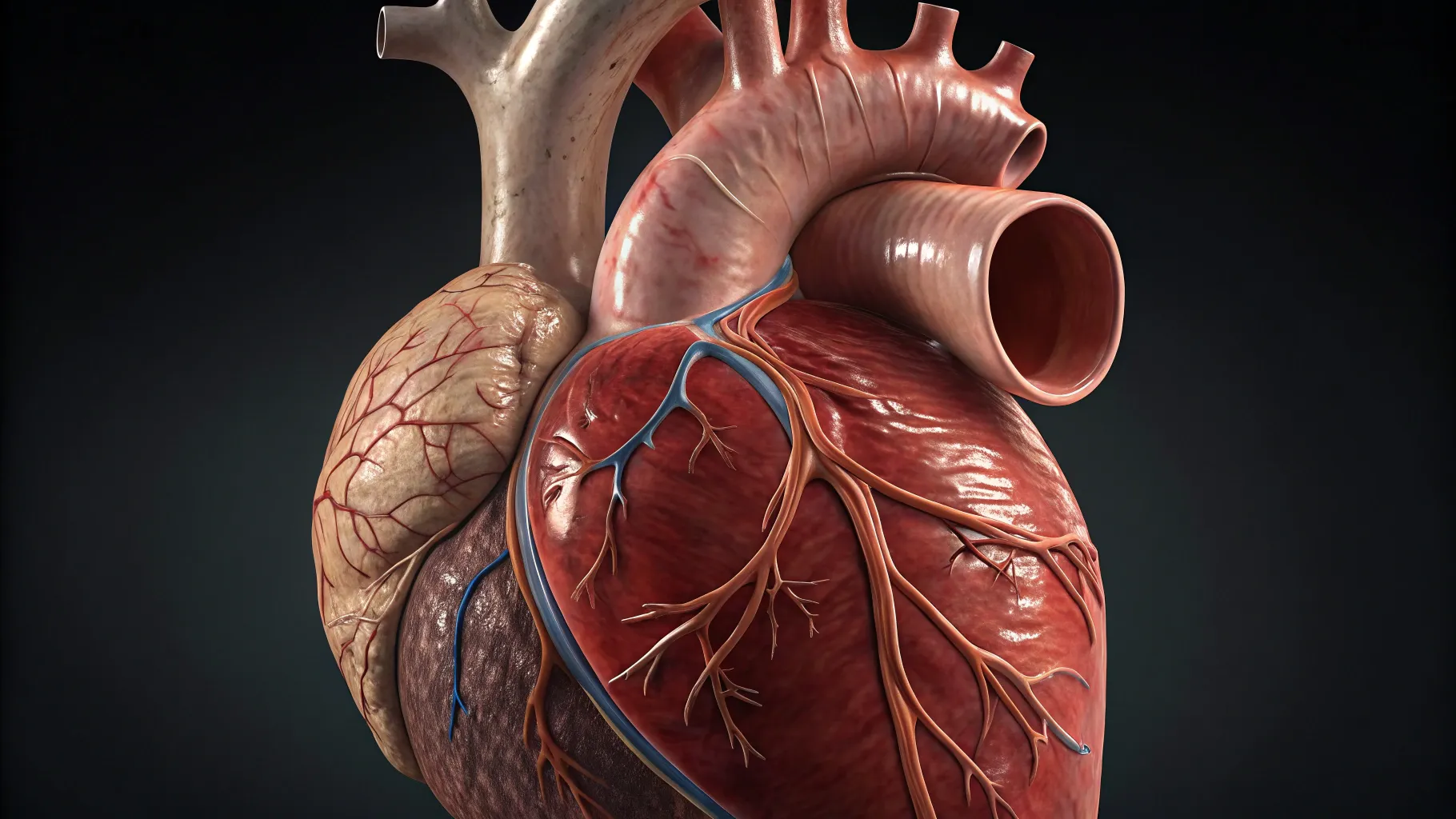
Understanding the Early Signs of a Leaky Heart Valve
Monitoring heart health is crucial, particularly for identifying early signs of a leaky heart valve, medically known as valve regurgitation. This condition happens when one or more heart valves fail to close properly, causing blood to flow backward in the heart and increasing cardiac strain. Recent data from 2025 indicate that millions worldwide are affected by cardiovascular issues. Recognizing symptoms early allows for timely medical assessment and management, which can improve outcomes and support long-term heart health.
Key Symptoms of a Leaky Heart Valve
Being informed about the symptoms of a leaky heart valve can significantly enhance your chances of a favorable outcome. Recent data indicates that many individuals experiencing this condition often report various warning signs that are frequently overlooked. Here are some critical symptoms to remain observant of:
- Shortness of Breath: Patients commonly find themselves easily winded during physical activities. Some may even experience difficulty breathing while at rest, a sign that the heart is doing extra work to maintain circulation.
- Fatigue: A persistent feeling of exhaustion that disrupts your normal routine might signal that the heart is struggling. This fatigue can also affect mental well-being, contributing to a sense of hopelessness.
- Heart Palpitations: A racing heartbeat or irregular rhythms can suggest that the heart is trying to compensate for inefficient valve function. These palpitations can be alarming and warrant further examination.
- Swelling in the Legs or Abdomen: When the heart isn’t pumping efficiently, fluid may accumulate, leading to noticeable swelling in the legs, ankles, and abdomen. This symptom can sometimes be mistaken for other health issues, making detection challenging.
- Chest Pain or Discomfort: Although less common, some individuals may experience chest pain during exertion. This discomfort can often be mistaken for stress or anxiety, which can delay proper diagnosis.
The timing of recognition is paramount. According to a 2024 cardiac health report, approximately 20% of adults aged 65 or older are living with some form of heart valve disease. This statistic argues for increased awareness and proactive health management, especially among senior citizens.
Diagnosing a Leaky Heart Valve
If you suspect you may have a leaky heart valve, the first step is to consult your healthcare provider for a thorough evaluation. The diagnostic process begins with a comprehensive physical examination and may involve various tests:
- Physical Examination: During this initial assessment, your doctor will listen for abnormal heart sounds—specifically murmurs that indicate compromised valve function.
- Echocardiogram: This ultrasound test provides a visual assessment of the heart, allowing doctors to evaluate the structure and function of your heart valves effectively.
- Electrocardiogram (ECG): An ECG measures heart rhythms and can pinpoint irregularities in electrical activity that may signal valve issues.
- X-rays: Chest X-rays can help visualize the size of your heart and check for any accompanying lung problems related to heart function.
A real-life case illustrates the importance of seeking medical advice. A 62-year-old woman initially attributed her ongoing fatigue to aging. However, after a thorough investigation, she was diagnosed with moderate mitral valve regurgitation, emphasizing the need to take symptoms seriously and not dismiss them as mere signs of aging.
Causes of Leaky Heart Valves
Recognizing the potential causes of leaky heart valves is crucial for prevention and management. Several factors contribute to the development of this condition, including but not limited to:
- Age-related Degeneration: As we age, our heart valves may lose elasticity, leading to potential damage and dysfunction.
- Rheumatic Fever: An inflammatory condition arising from untreated strep throat can permanently damage heart valves.
- Infective Endocarditis: This infection involves the inner lining of the heart and can lead to valve impairment, resulting in leakage over time.
- Congenital Heart Defects: Some individuals are born with abnormalities that can negatively affect heart valve function.
- Other Conditions: Diseases such as chronic hypertension or connective tissue disorders can also elevate the risk of developing leaky valves.
According to recent research conducted in early 2025, a strong link between obesity and valve diseases has emerged. The study pointed out that cardiovascular complications stemming from obesity are increasingly prevalent, highlighting the urgent need for public health initiatives to promote healthy lifestyles.
Taking proactive steps to maintain heart health is essential. Engaging in regular physical activity, eating a balanced diet rich in fruits and vegetables, effectively managing stress, and steering clear of tobacco can all contribute positively to your cardiovascular health. Once you turn 40, routine check-ups become even more critical to monitor any changes in heart function.
Ultimately, being vigilant and responsive to the early signs of a leaky heart valve can have a profound impact on your overall health. If you or someone close is experiencing the symptoms detailed here, seeking medical advice without delay is vital. Empower yourself with knowledge and engage in proactive management of your heart health to ensure a longer, healthier life.
Trusting your instincts when it comes to your body is key. Early detection not only facilitates better management of heart conditions but can also enhance overall health outcomes significantly. Prioritizing your cardiovascular health is an empowering step towards a vibrant and fulfilling future.