Early Signs of Leaky Heart Valve Symptoms You Should Know
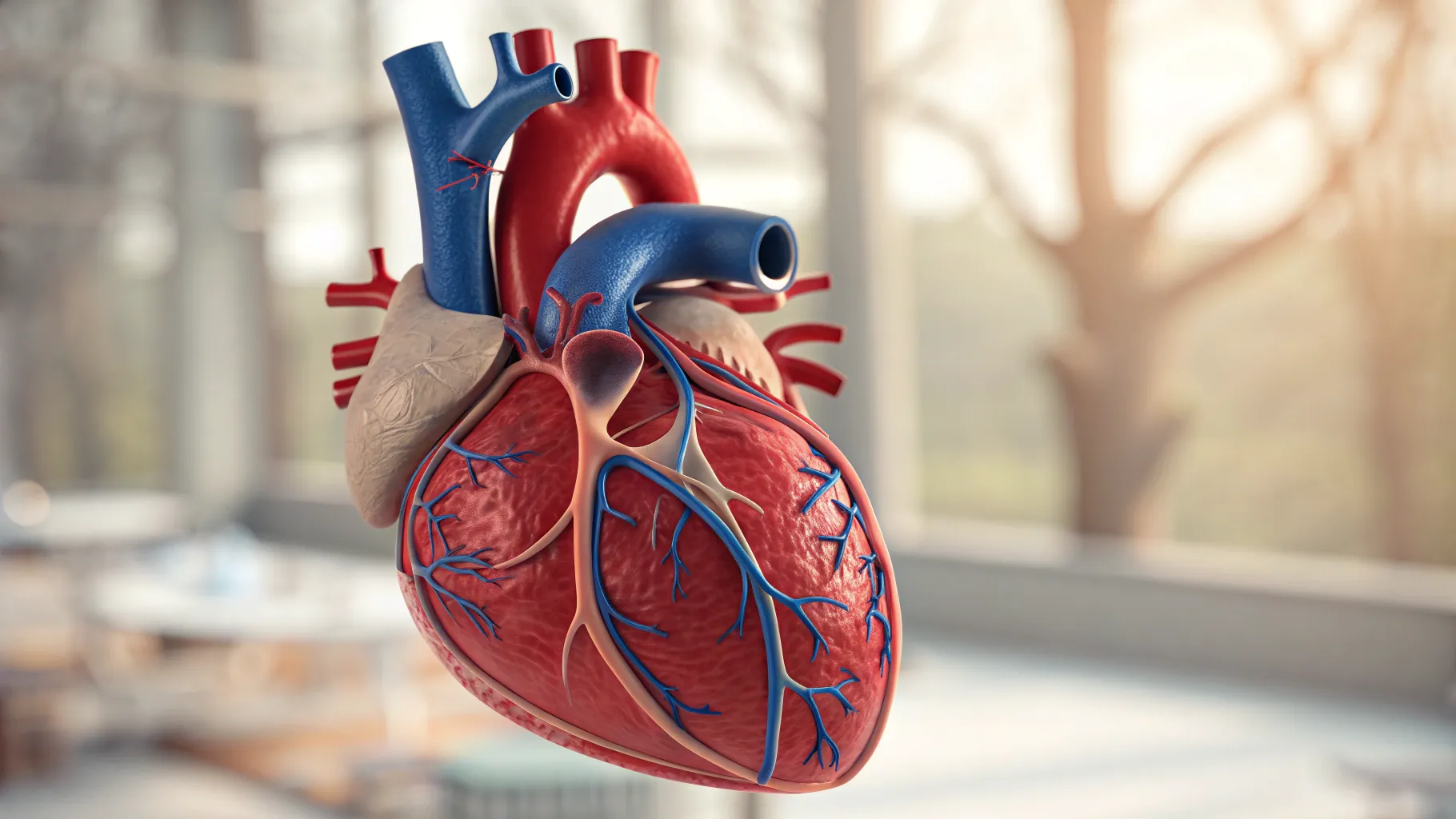
Understanding Early Signs of Leaky Heart Valve
In 2025, heart health is a topic that resonates with many, yet many still overlook the subtle signs indicating heart valve disorders, particularly leaky heart valves. Known in medical terms as valve regurgitation, this condition arises when your heart's valves fail to function effectively, allowing blood to flow backward instead of forward. This reverse flow can have serious consequences if not addressed swiftly. In this article, we delve deep into the early signs of a leaky heart valve, the implications, and what steps to take for diagnosis and management.
Recognizing the Early Warning Signs of Heart Valve Disease
Identifying the presence of a leaky heart valve can be challenging, particularly since symptoms often develop gradually and may be mistaken for other health issues. Awareness is your first ally. Here are some key early warning signs you should watch for:
- Fatigue: Ever notice yourself feeling unusually drained, even after a solid night's rest? This chronic fatigue may indicate that your heart is struggling to pump blood effectively, leading to reduced oxygen delivery throughout the body.
- Shortness of Breath: If you find that simple activities like climbing stairs or walking short distances leave you breathless, this could signify a potential valve problem. Pay attention to how easily you tire compared to your normal levels of exertion—it's a crucial indicator.
- Heart Palpitations: A racing heart or irregular beats might seem innocuous at first. However, these sensations can be early warnings that your heart valves are not working as they should.
- Swelling in the Legs and Abdomen: Edema, or swelling, in your legs, abdomen, or ankles is frequently caused by fluid accumulation due to poor circulation. This is a red flag that should not be ignored.
- Chest Pain or Discomfort: Although not an everyday symptom, some individuals report experiencing mild to moderate discomfort in the chest during physical activities, hinting at potential valve dysfunction.
- Frequent Infections: Links have been observed between leaky heart valves and underlying conditions such as rheumatic fever, which can lead to an increased risk of heart-related infections.
Being conscious of these symptoms significantly aids in managing your heart's health. Medical professionals highlight that early detection can lead to far superior outcomes. According to recent statistics, patients diagnosed early are less likely to experience severe complications.
How to Know if You Have a Leaky Heart Valve
If you suspect that you may be experiencing symptoms of a leaky heart valve, it's vital to consult a healthcare professional for a thorough diagnosis. Here are some standard assessment methods:
- Physical Examination: A healthcare provider will typically begin with a physical examination, listening for any abnormal heart sounds or murmurs that might indicate disturbed blood flow.
- Imaging Tests: Echocardiograms are standard diagnostic tools used to visualize the heart's structure and assess how well the valves are functioning. These tests play a crucial role in determining the severity of any regurgitation present.
- Electrocardiogram (ECG): This essential test records your heart's electrical activity and helps to identify any irregular rhythms that could point to underlying valve issues or other heart concerns.
- Chest X-ray: A chest X-ray allows doctors to visualize the heart's size and shape, providing clues about any enlargement that may be a result of valve leakage.
Recent advancements in medical technology have made diagnosing heart valve issues more accessible than ever. As of 2025, prompt evaluation of symptoms has become critical, as untreated valve disease can progress to severe complications, including heart failure.
Common Causes of Leaky Heart Valves
Understanding the causes of a leaky heart valve is pivotal in assessing your risk. Various factors can lead to valve dysfunction, including:
- Age: Aging naturally brings changes in heart structure. Research shows that roughly 2.5% of older adults develop significant heart valve conditions, making age a relevant factor.
- Congenital Heart Defects: People may be born with heart valve problems that won’t manifest symptoms until later in life. Awareness is essential for early management.
- Rheumatic Fever: This condition, stemming from untreated strep throat, can cause irreversible damage to heart valves, underscoring the need for prompt treatment of throat infections.
- Infections: Infective endocarditis can seriously affect heart health when bacteria infect the inner lining of the heart, including the valves.
- Health Conditions: Chronic illnesses such as high blood pressure or connective tissue disorders can adversely affect valve health.
Arming yourself with knowledge about these causes is crucial for proactive heart health management. Routine check-ups and lifestyle choices can significantly reduce your risk of developing severe heart conditions.
Staying informed about the early signs of a leaky heart valve represents more than mere health awareness; it's about taking proactive control of your well-being. Regular health screenings, a balanced diet, physical activity, and mindfulness of bodily changes are vital components of maintaining heart health. Listening to your body is key; if anything feels amiss, don’t hesitate to seek medical advice. In the quest for a healthy heart, taking initiative today could mean a healthier tomorrow.