Early Signs of Knee Osteoarthritis and Treatment Options
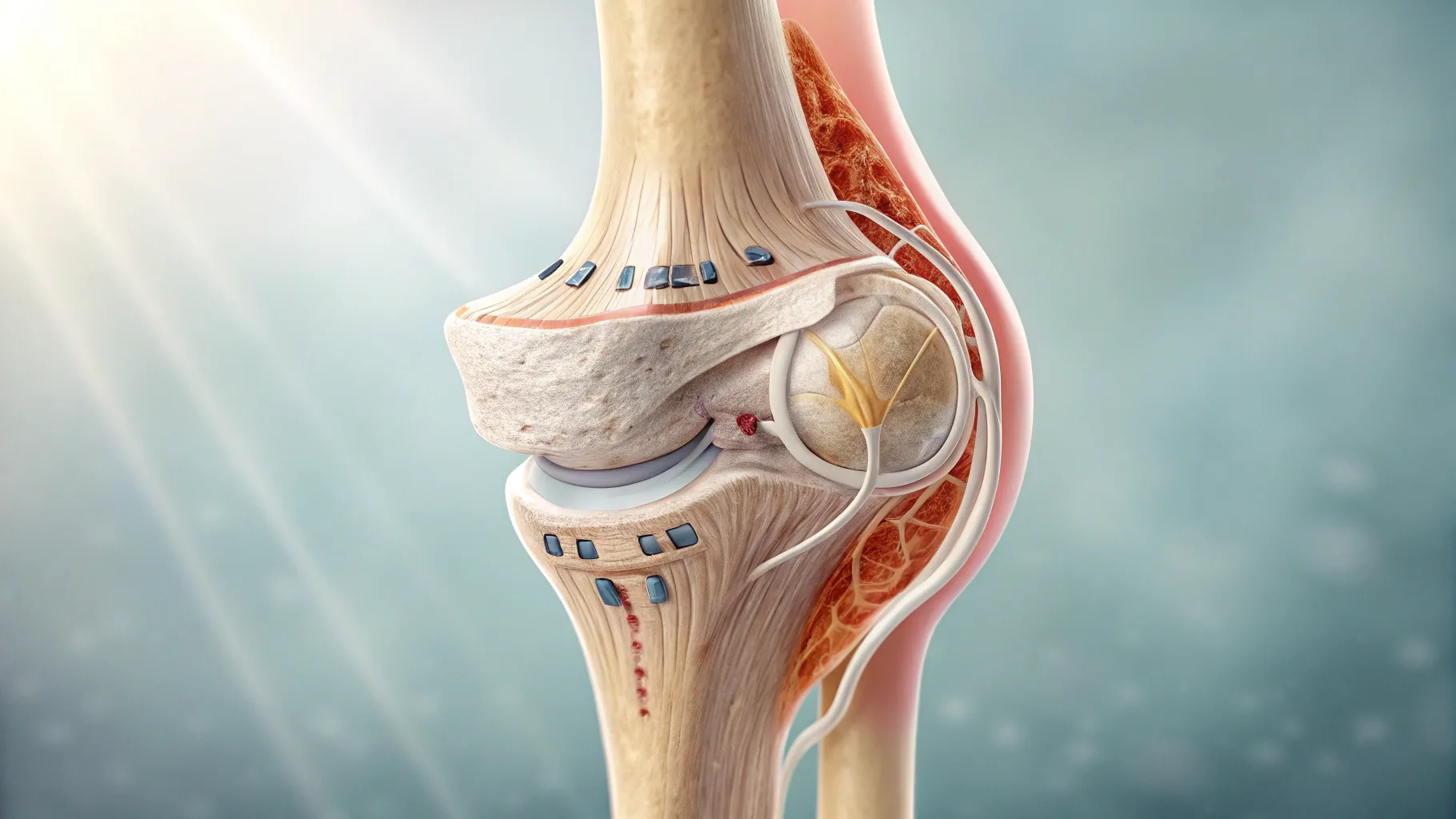
Knee Osteoarthritis: Recognizing Its Early Signs
Knee osteoarthritis is a prevalent condition that affects millions of people, particularly those aged 50 and above. This degenerative joint disease emerges when the cartilage cushioning the knee joint gradually deteriorates, leading to pain, swelling, and restricted movement. Being aware of the early signs of osteoarthritis is crucial for effective management and can help slow the progression of the disease.
Identifying Early Symptoms of Knee Osteoarthritis
Often, the first indicators of knee osteoarthritis are subtle, which can make it challenging to recognize at first. The experience of persistent knee pain or stiffness, especially following periods of rest or after engaging in physical activities, can easily be brushed off as part of aging. However, studies indicate that a striking 60% of those diagnosed with osteoarthritis report these initial symptoms. Here’s what to look out for:
- Swelling: Inflammation around the knee joint frequently results in noticeable swelling, making the area feel warm and tender.
- Crepitus: Many individuals describe experiencing a grating sensation or hear popping noises when moving their knees; this "creaking" can be a telltale sign of cartilage wear.
- Difficulty with Movement: Simple activities, such as bending or straightening the knee or standing up from a seated position, may become increasingly difficult.
If you begin to notice any of these symptoms, it is essential to consult a healthcare professional immediately. Timely diagnosis and intervention can significantly improve your quality of life and ease future discomfort.
Treatments for Knee Osteoarthritis in 2025
In today’s landscape of knee osteoarthritis management, advanced treatments are making significant strides. Such innovations are focused on relieving pain, halting disease progression, and improving mobility. Here’s a closer look at the treatment options currently available:
Physical Therapy and Exercise
Physical therapy continues to be a cornerstone in treating knee osteoarthritis. Individualized exercise regimens aim to strengthen the muscles surrounding the knee joint while enhancing flexibility and balance. Research has shown that engaging in low-impact exercises, like cycling, walking, and swimming, can yield significant reductions in pain levels and an improvement in overall functionality.
For example, patients attending regular physical therapy sessions report over a 40% increase in their ability to perform daily tasks, attributed to tailored exercise plans that cater to their specific needs.
Advancements in Medications
As of 2025, pharmaceutical advancements have introduced innovative medications designed to provide direct pain relief while minimizing the side effects often associated with traditional non-steroidal anti-inflammatory drugs (NSAIDs). Topical treatments—such as creams formulated with menthol and capsaicin—are increasingly gaining popularity among patients with knee osteoarthritis. These topical applications help alleviate discomfort by providing a soothing effect on the skin.
Recent surveys found that about 75% of patients using these topical treatments reported a significant reduction in their knee pain.
Knee Braces for Support
When considering options for a knee brace for osteoarthritis, it’s vital to choose one that balances support and mobility. The latest models integrate lightweight materials with adjustable braces tailored to individual needs. Research indicates that these knee braces can help diminish pain by redistributing stress away from the affected areas. Many users have shared that wearing a knee brace has allowed them to engage in physical activities with increased confidence and reduced discomfort.
Injections and Surgical Interventions
For individuals who find little relief from conservative treatments, options such as hyaluronic acid or corticosteroid injections may provide temporary respite. However, for severe cases, surgical procedures—including knee arthroscopy, osteotomy, or total knee replacements—remain essential options after careful consideration. Studies from leading orthopedic associations indicate that approximately 30% of individuals with severe osteoarthritis may require surgical intervention at some point in their lives.
Integrative Approaches to Knee Pain
The rising trend of integrative medicine is garnering attention among patients seeking alternatives to conventional treatment. This approach blends traditional methods with complementary therapies, like acupuncture and dietary supplements such as glucosamine and chondroitin. Emerging anecdotal evidence suggests that patients who embrace these therapies often feel more satisfied with their overall treatment, reporting enhancements in both physical and emotional well-being.
Emphasizing a Healthy Lifestyle
A comprehensive strategy for managing knee osteoarthritis must include lifestyle considerations. Maintaining an optimal weight is critical, as excess weight puts additional strain on the weight-bearing joints, worsening symptoms. Diet also plays a crucial role. Consuming a balanced diet rich in antioxidants—like those found in fruits, vegetables, and whole grains—can decrease inflammation. Additionally, embracing a Mediterranean-style diet that includes omega-3 fatty acids has been linked to improvements in arthritis symptoms, offering better overall outcomes for those managing knee osteoarthritis.
Getting the Right Care for Knee Osteoarthritis
Finding the right care provider is essential for effectively managing knee osteoarthritis. If you are experiencing symptoms, scheduling an appointment with an orthopedic specialist can provide you with a comprehensive treatment plan tailored to your unique needs. Additionally, many clinics are now offering virtual consultations, making it more convenient than ever to seek expert help.
With the awareness of early signs of knee osteoarthritis and the understanding of the various evolving treatment approaches available in 2025, patients can take proactive steps toward a more fulfilling, active life. Don’t hesitate to reach out for professional advice, customize your management plan, or explore options like the best knee braces for osteoarthritis. Every small step can lead to significant improvements in your comfort and mobility.