Early Signs and Best Treatments for Knee Osteoarthritis
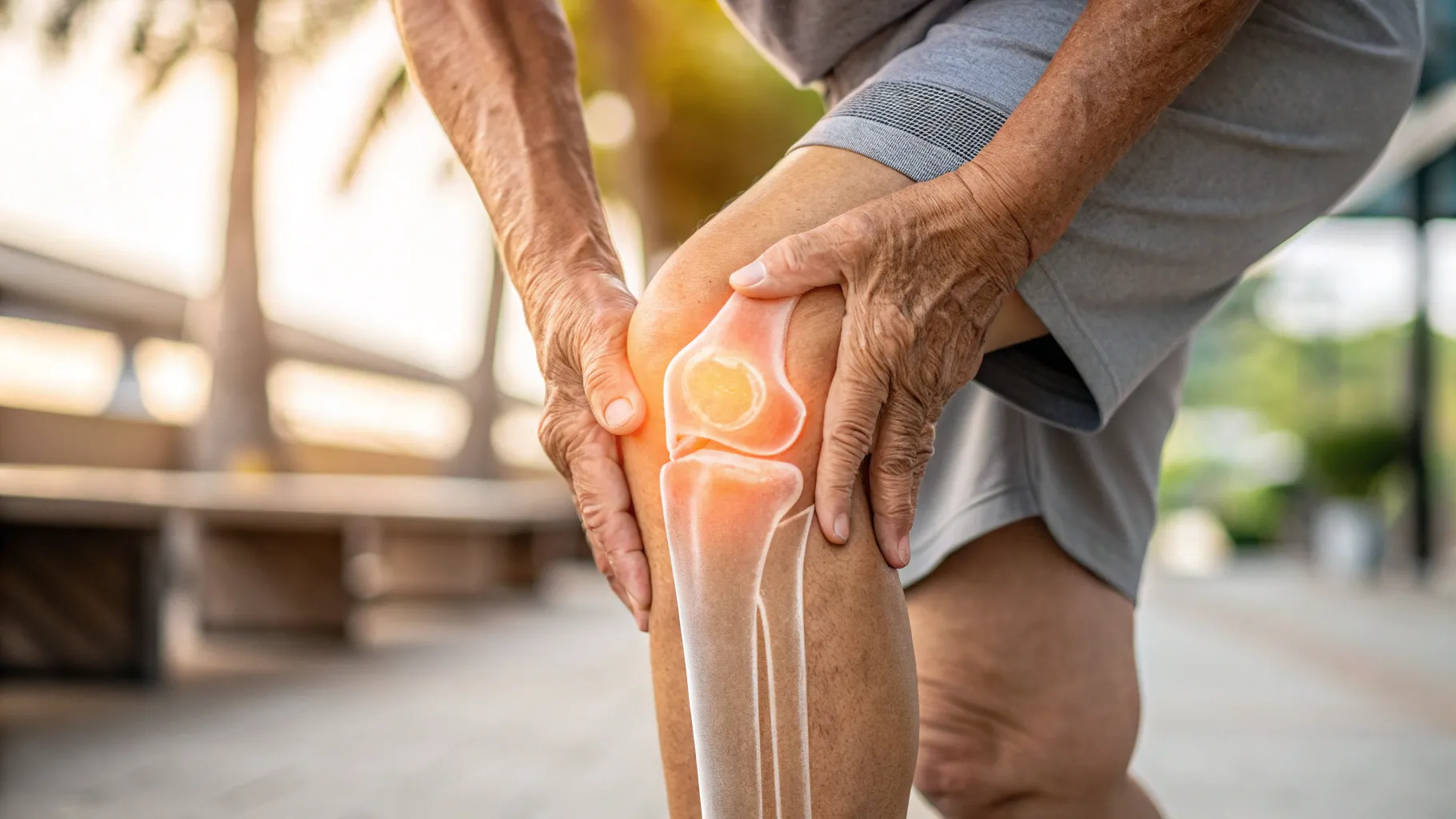
Knee Osteoarthritis Understanding Early Signs and Symptoms
Knee osteoarthritis is a common degenerative joint disease that currently impacts millions of people worldwide, especially those over the age of 65. Recent studies reveal that approximately 30% of adults in this age group are living with some degree of knee osteoarthritis in 2025. Recognizing the early signs and symptoms is crucial because timely intervention can significantly improve management and enhance overall quality of life.
Identifying the Early Signs of Knee Osteoarthritis
The onset of knee osteoarthritis is often marked by a series of telling symptoms. Pain in the knee is typically the first noticeable sign, often described as a persistent, dull ache that occurs with activity or after prolonged use. Moreover, many patients report experiencing stiffness in the joint, particularly after periods of inactivity such as sitting for extended periods or first thing in the morning. Recognizing these symptoms early can be pivotal in slowing the disease’s progression.
- Pain during activity: Individuals often feel discomfort when climbing stairs or walking even short distances. This pain might not only be a nuisance but can also hinder daily activities.
- Stiffness: If your knees feel stiff after resting, especially in the morning, consider consulting a healthcare professional.
- Swelling: Visible swelling around the knee can indicate inflammation, which is common in osteoarthritis patients.
- Reduced range of motion: Difficulty either bending or straightening the knee is another signal that something may be amiss.
If you’re experiencing any of these early signs, it’s essential to book an appointment with an orthopedic doctor for knee osteoarthritis. An early diagnosis can lead to effective treatment options and potentially prevent further joint deterioration.
Exploring the Best Treatments for Knee Osteoarthritis
Upon diagnosis, a variety of treatments are available to navigate knee osteoarthritis effectively. Advances in medical technology and a deeper understanding of the disease have opened doors to numerous solutions, catering to varying levels of severity and individual needs. Moreover, the need for personalized treatment plans is more evident than ever.
Medications and Topical Treatments
Over-the-counter medications like ibuprofen remain a common initial approach to managing knee osteoarthritis pain. Yet, in 2025, there is an increased trend towards topical treatments. Innovations like knee pain relief creams for arthritis that provide localized relief are gaining popularity due to their effectiveness and minimal systemic side effects. Creams infused with capsaicin or non-steroidal anti-inflammatory drugs (NSAIDs) can significantly mitigate pain and discomfort.
Physical Therapy
Physical therapy has proven incredibly beneficial for those affected by knee osteoarthritis. Tailored exercise programs can greatly enhance strength in the muscles surrounding the knee joint, which in turn supports joint stability. Notably, the demand for virtual physical therapy sessions has surged in 2025, allowing individuals to participate in tailored programs from the comfort of their homes—a key advantage for those reluctant to seek traditional therapy.
Knee Braces
Using knee braces has emerged as a helpful means to manage symptoms of knee osteoarthritis. Improvements in technology have led to dynamic braces that address pain and instability while still enabling functional movement. The best knee brace for osteoarthritis available today combines comfort and support, making it easier for individuals to remain active despite their condition.
Injections and Surgical Options
If conservative treatments fall short, other options become critical. Injections, such as corticosteroids, can relieve inflammation and pain effectively. Moreover, hyaluronic acid injections have gained traction over the past six months for their ability to cushion the joint and improve mobility. For those seeking more permanent solutions, surgical interventions, like arthroscopy or total knee replacement, are regarded as viable pathways to regain a better quality of life.
The Importance of Lifestyle Adjustments
Beyond medical interventions, embracing lifestyle changes can drastically enhance the management of knee osteoarthritis. Weight management is paramount; research consistently supports that even a modest weight reduction of around 5% can relieve pressure on knee joints, yielding significant pain alleviation. Public health campaigns throughout 2025 underline weight loss’s crucial role in both preventing and managing the impact of knee osteoarthritis.
Nutrition and Exercise
Nutrition plays a fundamental part in managing the symptoms of knee osteoarthritis. A balanced diet rich in antioxidants and anti-inflammatory foods can contribute positively. Omega-3 fatty acids found in fish, seeds, and nuts are known for their anti-inflammatory properties and can help slow Joint deterioration. In terms of physical activity, engaging in low-impact exercises like swimming or cycling can strengthen muscles surrounding the knee without over-exerting the joints. Flexibility training also helps combat stiffness, enhancing overall mobility.
The Role of Alternative Therapies
Lastly, alternative and complementary therapies are gaining traction among those with knee osteoarthritis. Many individuals find relief through practices like acupuncture, which has demonstrated promising results in decreasing pain levels. Activities such as yoga and tai chi are not only conducive to improved physical health but also foster mental well-being—an essential aspect when managing the stress and emotional toll of chronic conditions like knee osteoarthritis.
In summary, understanding the early signs of knee osteoarthritis and actively participating in effective treatment regimens and lifestyle modifications can significantly influence one’s journey with this common condition. The evolving landscape of osteoarthritis management in 2025 offers patients a plethora of tools to alleviate symptoms and reclaim their quality of life. Always remember to engage closely with healthcare providers to establish personalized strategies aimed at your unique circumstances.