Discover Vitamin Deficiencies That Cause Hair Loss
Understanding How Vitamin Deficiencies Cause Hair Loss
When it comes to maintaining luscious locks, many factors come into play, including genetics, environmental factors, and diet. One often overlooked aspect of healthy hair growth is the role that vitamins play. Vitamin deficiencies can lead to a range of health issues, and hair loss is one of the most visible signs. In this article, we will explore the vitamins linked to normal hair growth, which vitamin deficiency causes hair loss, and what you can do to keep your hair healthy.
Which Vitamin Deficiency Causes Hair Loss?
There are several vitamins essential for hair health, and their deficiency can result in noticeable hair loss. Here’s a breakdown of the primary vitamins that support hair growth:
- Biotin (Vitamin B7): This water-soluble vitamin is crucial for keratin production, a key structural component of hair. A deficiency in biotin can lead to brittle hair and hair loss. Recent studies indicate that biotin supplementation significantly benefits people with hair thinning problems.
- Vitamin D: Known as the sunshine vitamin, Vitamin D plays a crucial role in the hair growth cycle. Research shows that individuals with hair loss often have lower levels of Vitamin D. The vitamin helps create new hair follicles, which are essential for hair growth.
- Vitamin E: This potent antioxidant combats oxidative stress in the scalp, promoting a healthy environment for hair growth. A study published last year revealed that Vitamin E supplementation increased hair growth in participants suffering from hair loss.
- Iron: While not a vitamin in the strictest sense, iron is a critical mineral that supports hair health. A deficiency in iron can lead to anemia, which often presents with symptoms including hair loss and fatigue.
- Folic Acid (Vitamin B9): Folic acid is vital for cell division and tissue growth, including hair. A lack of this vitamin can lead to hair loss because it hampers the production of new cells in hair follicles.
In 2025, awareness of how vitamin deficiencies contribute to hair loss is growing, with healthcare providers increasingly recommending nutritional evaluations for patients experiencing hair thinning.
How Do These Deficiencies Lead to Hair Fall?
Hair loss due to vitamin deficiencies occurs due to disrupted hair follicle function. Hair follicles undergo a cycle of growth (anagen), rest (telogen), and shedding (catagen). When an individual lacks essential vitamins, this cycle gets interrupted. For example, without adequate Vitamin D, hair follicles may remain trapped in the telogen phase for longer than normal. This extended resting can lead to increased shedding, minimizing the chances that hair reaches its full growth potential.
Moreover, inadequate nutrition causes poor blood circulation to the scalp, weakening hair roots and resulting in hair fall. The hair roots require a steady supply of nutrients to thrive, and without this, they become brittle and more prone to damage.
Addressing Vitamin Deficiencies to Prevent Hair Loss
Understanding which vitamin deficiencies lead to hair loss is only the first step. Here are actionable ways to ensure you're getting enough of the vitamins that support hair health:
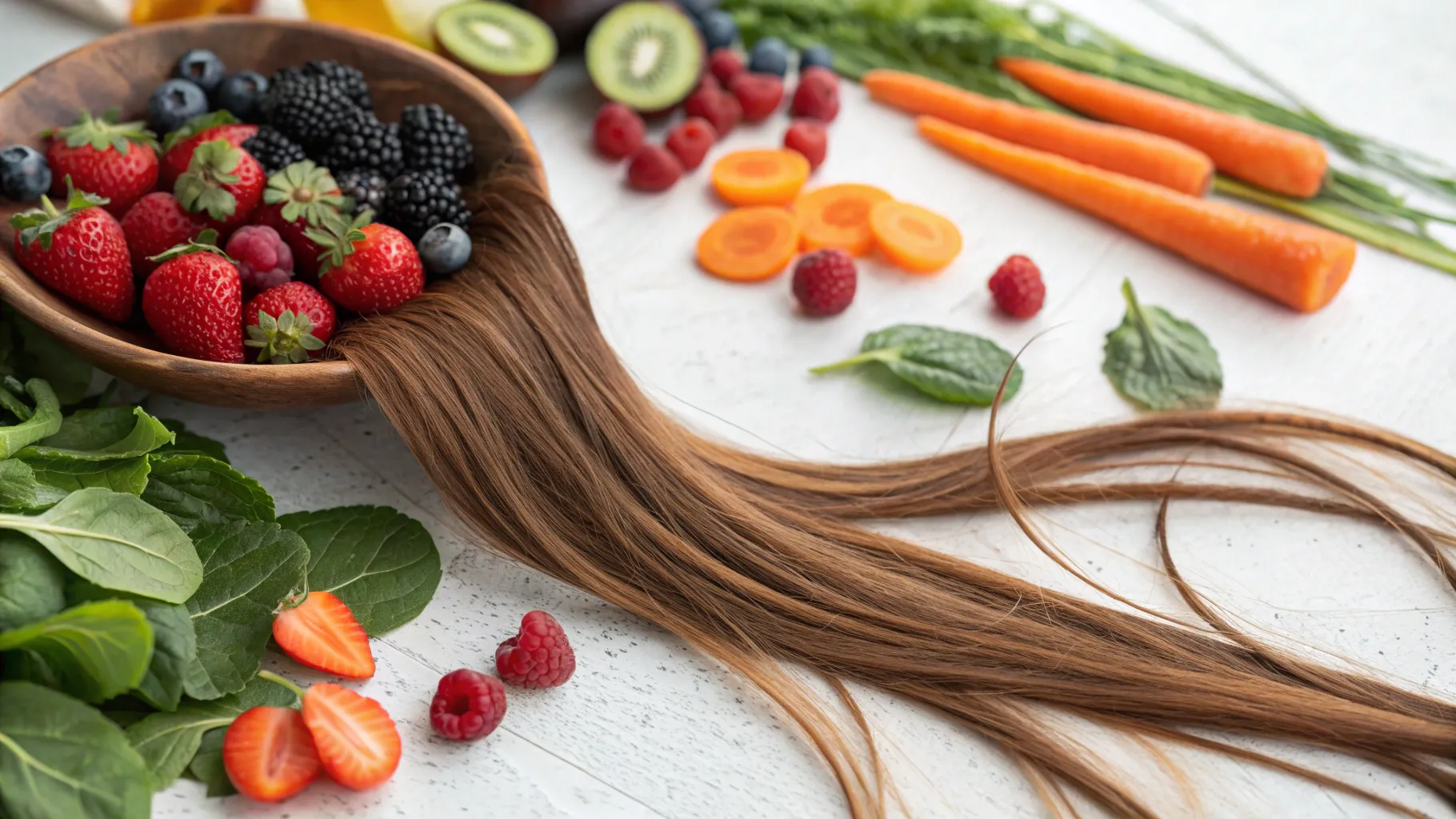
- Balanced Diet: Aim for a diet rich in vitamins and minerals. Foods such as eggs, nuts, spinach, and fatty fish are excellent sources of the vitamins necessary for healthy hair.
- Supplementation: If you suspect you're not getting enough vitamins through diet alone, consider supplementation. Biotin and Vitamin D supplements have been widely embraced for hair health and growth.
- Regular Blood Tests: Regular checkups can help identify potential deficiencies before they lead to hair loss. A simple blood test can check levels of iron, Vitamin D, and other essential vitamins.
- Scalp Care: Maintaining a healthy scalp environment is crucial. Incorporate massaging your scalp with oils rich in Vitamin E and Omega fatty acids to promote circulation and nourishment.
Staying mindful of nutrition can go a long way toward preserving your hair. With an alarming rise in hair loss cases globally, particularly among women aged 30 to 50, awareness and proactive measures surrounding vitamin intake have never been more critical.
Real-World Impact of Vitamin Deficiencies
In the last six months, numerous case studies and new findings have emphasized the significant role of vitamins in mitigating hair loss. For instance, a large-scale survey conducted in early 2025 confirmed that adults lacking in Vitamin D reported twice the rate of hair loss compared to those with adequate levels. Similarly, community health initiatives worldwide have begun to integrate nutritional education specifically aimed at preventing hair loss through diet.
Just as there are valid concerns about deficiency-related hair loss, a balanced approach toward supplementation is vital. Over-supplementation can lead to toxicity and health issues of its own. For example, excessive iron can result in body iron overload, leading to serious health complications.
Good hair health reflects good overall health, and maintaining a proper intake of essential vitamins is a step in the right direction. As we continue to explore innovative treatments for hair loss in 2025, it is crucial to remember that sometimes, the simplest solutions, like dietary adjustments, can be profoundly effective.
Stay vigilant about your vitamin intake and consult healthcare professionals if you’re experiencing hair loss. Tracking your vitamin levels can not only improve your hair health but also contribute to your overall well-being.