Learn About Laser Skin Treatments for Radiant Skin
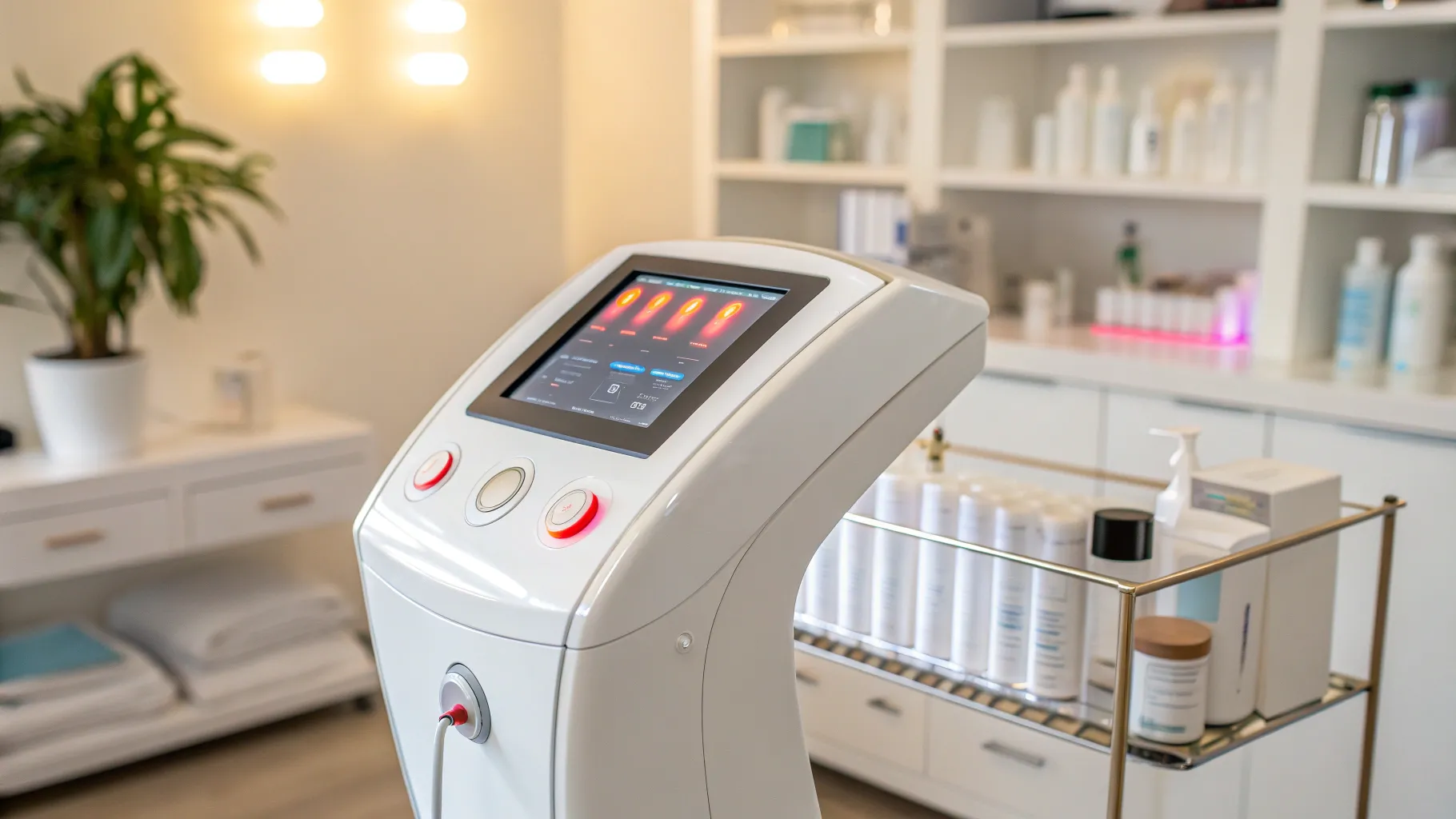
Learn About Laser Skin Treatments
In the quest for youthful, radiant skin, many individuals are turning to advanced technologies, including laser skin treatments. These innovative procedures offer a range of solutions tailored to various skin concerns. If you’re exploring options to rejuvenate your skin, it’s important to understand laser treatments, their types, and what one can expect during the sessions.
Types of Cosmetic Laser Procedures
Laser skin treatments come in several types, each designed to target specific skin issues effectively. Below, we explore some of the most common types of cosmetic laser procedures you might encounter.
- Fractional Laser Treatments: Fractional lasers emit microscopic beams of light that penetrate the skin, promoting healing without affecting the surrounding tissue. This method is effective for reducing scars, wrinkles, and age spots.
- Laser Resurfacing: This treatment involves removing layers of skin to enhance texture and tone. It’s often ideal for those who want to address significant skin imperfections.
- Intense Pulsed Light (IPL): While not a laser in the traditional sense, IPL uses light to treat various pigmented lesions. It helps in reducing redness and pigmentation, offering a brighter complexion.
- Laser Hair Removal: Using concentrated light to destroy hair follicles, this treatment is popular among both men and women seeking a long-lasting solution to unwanted hair.
- Non-Ablative Lasers: These lasers target deeper layers of skin without damaging the top layer. Ideal for mild to moderate skin issues, they treat conditions like redness and melasma.
How Laser Treatments Improve Skin Appearance
Many find laser treatments an appealing option due to their effectiveness and relatively quick results. The process stimulates collagen production, which is crucial for maintaining skin elasticity and firmness. Through targeted energy, laser treatments help rejuvenate the skin on multiple levels.
Recently, a study revealed that over 75% of individuals undergoing fractional resurfacing reported significant improvements in skin texture and tone after just a few sessions. The results are often comparable to surgical procedures but come with fewer risks and downtime.
Furthermore, the versatility of lasers means they can be customized for individual skin types and concerns. A consultation with a dermatologist can help determine the best approach specific to your needs. Whether you struggle with acne scars, sun damage, or the effects of aging, laser treatments can be tailored to address these issues effectively.
Recent advancements in laser technology have significantly enhanced its safety and efficacy. Modern lasers include built-in cooling mechanisms that reduce discomfort and improve recovery times. As a quick example, the latest generation of fractional CO2 lasers provides excellent results with minimal downtime, allowing individuals to resume their daily activities shortly after their sessions.
Non-Invasive Skin Treatment Options
Aside from traditional laser treatments, there are also non-invasive skin treatment options that can improve skin appearance. These include:
- Chemical Peels: Using acid solutions, these peels remove the outer layer of skin to reveal a fresher, smoother surface beneath.
- Microdermabrasion: This technique exfoliates the skin surface, improving texture and minimizing the appearance of scars or age spots.
- Microneedling: By promoting tiny injuries in the skin with fine needles, microneedling increases collagen production and improves skin elasticity.
- LED Light Therapy: Using specific wavelengths, this therapy can reduce inflammation, treat acne, and improve skin texture.
These non-invasive options often have fewer side effects and can improve skin health over time. As they do not require intensive downtime, many patients choose to combine them with laser treatments for optimal results.
What to Expect from Laser Skincare Sessions
Preparing for laser skin treatments begins with a thorough consultation. Your dermatologist will assess your skin type, discuss your concerns, and explain which laser treatment is best suited for your needs.
On the day of your session, you will typically receive topical anesthesia to minimize discomfort. The treatment itself can take anywhere from 30 minutes to two hours, depending on the area treated and the type of procedure. Patients often describe the sensation as similar to a rubber band snapping against the skin.
After the session, it's normal for the treated area to appear red and slightly swollen, similar to a mild sunburn. Your practitioner will provide aftercare instructions which may include avoiding direct sunlight and using soothing creams to facilitate healing.
Many patients enjoy visible improvements shortly after their sessions, but full results often develop over several weeks as the skin heals and regenerates. With the right post-treatment care, the results can last for years, enhancing not only appearance but also self-esteem.
To truly appreciate what laser skin treatments can offer, reviewing before-and-after photos and patient testimonials can be enlightening. It’s a transformative experience that many find life-changing.
The world of laser skin treatments is ever-evolving, and staying informed can help you make the best choice for your skin health journey. As advancements continue to shape these options, there's a lot of promise for anyone seeking to improve their skin's appearance with minimal invasiveness.