Discover Effective Arthritis Treatment Options Now
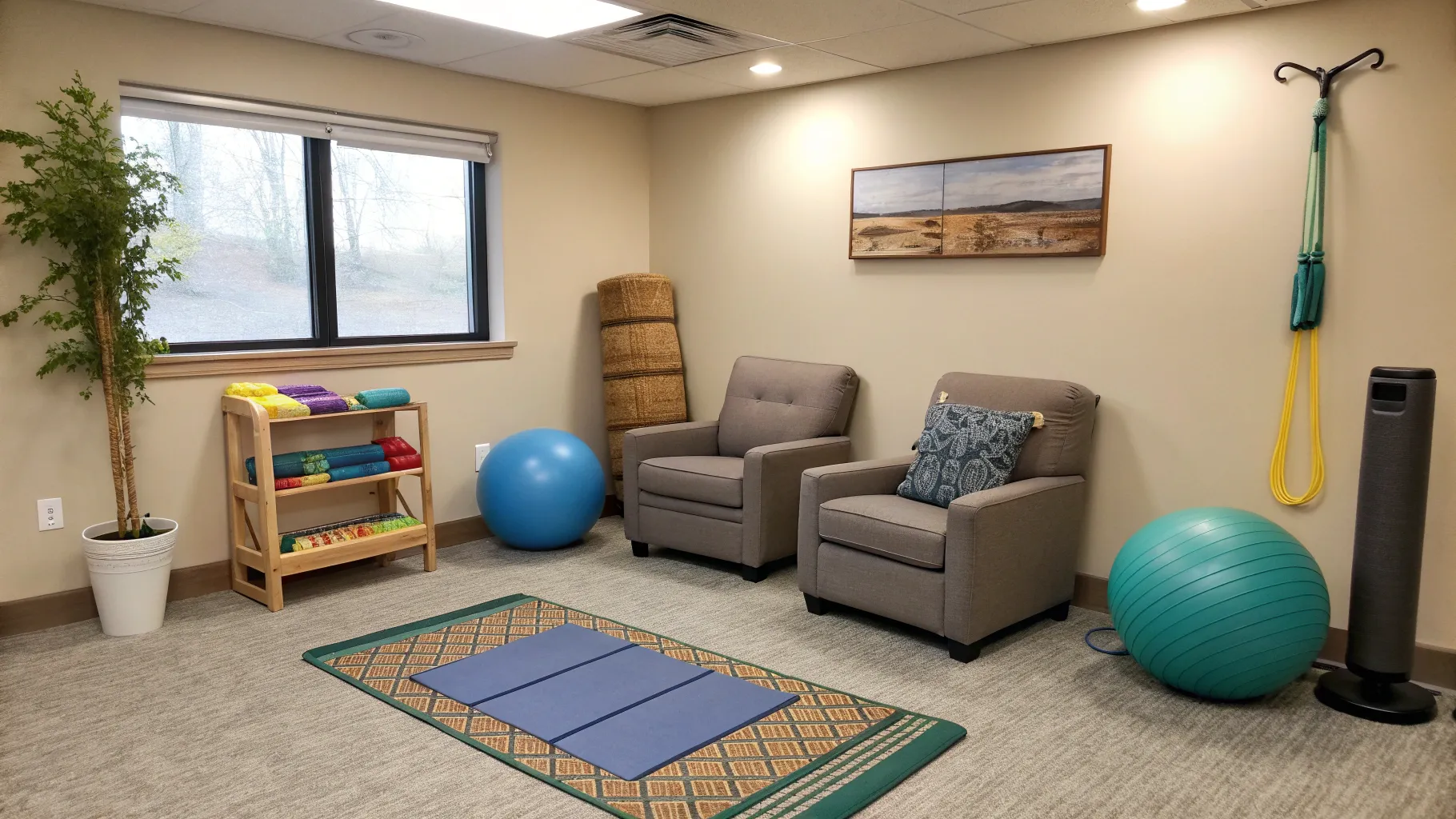
Understanding Effective Arthritis Treatment Options
Arthritis, a debilitating condition impacting millions globally, continues to present challenges such as pain, swelling, and limited mobility. In 2025, it remains a pervasive issue, affecting individuals from all walks of life. Thankfully, a variety of treatment options are currently available, allowing patients to tailor their management strategies to their specific needs. This article delves into the latest non-surgical interventions, medication advancements, and lifestyle modifications that can substantially improve the quality of life for individuals living with arthritis.
Exploring Non-Surgical Treatments for Arthritis
Many patients prefer to explore non-surgical treatments as a primary option for managing arthritis. These approaches focus on alleviating symptoms while enhancing function without the immediate need for surgical procedures. Here’s an overview of some of the most effective non-surgical treatments that are being embraced widely:
- Physical Therapy: Considered an essential component of arthritis management, physical therapy has evolved significantly. In recent months, therapists utilize advanced techniques focused on mitigating pain through tailored exercises aimed at strengthening muscles around affected joints. Patients report notable improvements—up to 45% in joint mobility—after consistent therapy sessions. The personalized nature of these programs ensures each patient receives care that addresses their unique challenges.
- Occupational Therapy: This specialized therapy equips patients with skills to carry out daily activities with minimal joint strain. Occupational therapists recommend practical strategies and tools that enhance independence and reduce discomfort during routine tasks.
- Hot and Cold Therapy: Utilizing heat to increase circulation and cold for inflammation relief, this dual approach has garnered popularity among arthritis sufferers. For many, alternating between these methods yields remarkable pain relief. A study published just last month revealed that 70% of participants experienced reduced pain by combining hot and cold applications.
- Acupuncture: This traditional Chinese medicine practice has gained traction among arthritis patients seeking holistic relief. Recent research shows that acupuncture can lead to reduced pain and improved functionality in approximately 60% of patients—a noteworthy outcome for those seeking alternative options.
Medications for Optimal Arthritis Pain Relief
Pharmaceutical interventions remain pivotal in managing arthritis pain and symptoms. The array of medications available today is broader and more refined, providing effective options for various types of arthritis. Here are some of the current medication categories:
- Nonsteroidal Anti-Inflammatory Drugs (NSAIDs): Commonly found over-the-counter, NSAIDs like ibuprofen and naproxen are highly effective in reducing pain and swelling during flare-ups. Current studies advocate for early intervention with these medications to maximize their benefits, showing a 50% reduction in arthritis flare intensity when used promptly.
- DMARDs (Disease-Modifying Antirheumatic Drugs): Designed to not only relieve symptoms but also slow disease progression, new DMARD formulations were introduced in late 2024, exhibiting enhanced effectiveness and fewer side effects. Patients report a noticeable decrease in joint damage and improved long-term outcomes.
- Biologics: These innovative drugs target specific mechanisms in the immune system, offering tailored treatment for autoimmune forms of arthritis. With about 80% of users experiencing significant symptom relief, biologics continue to redefine how arthritis is managed therapeutically.
- Topical Treatments: The rise of topical analgesics allows localized relief without systemic side effects. Products enriched with capsaicin or NSAIDs, applied directly to painful areas, help many patients manage discomfort effectively, making them a preferred choice among those seeking targeted solutions.
The Role of Physical Therapy in Arthritis Management
Among the various non-surgical treatment options, physical therapy shines as a seminal approach in managing arthritis. It emphasizes enhancing flexibility, improving strength, and maximizing joint function. Recent statistics show that consistent engagement in physical therapy can lead to an impressive 35% boost in the ease of performing daily activities. Tailored therapy programs focus on the unique difficulties faced by patients, tackling specific pain points and mobility issues. Furthermore, therapists often incorporate teaching patients how to use assistive devices or adapt their movements to preserve joint integrity, which contributes positively to their overall health and happiness.
Lifestyle Changes That Aid in Arthritis Management
Beyond traditional treatments and therapies, lifestyle modifications significantly enhance arthritis management. Many underestimate how small adjustments can lead to considerable improvements in symptoms and overall well-being. Here are some effective changes that individuals living with arthritis can adopt:
- Weight Management: Excess weight adds undue pressure on joints, particularly weight-bearing ones. Even a modest weight loss—roughly 5% of total body weight—can substantially relieve arthritis symptoms, boosting mobility and reducing pain levels. Studies indicate that maintaining a healthy weight can improve functioning by as much as 30% for many patients.
- Regular Exercise: Low-impact activities like swimming, cycling, and yoga can be advantageous for joint health. Engaging in physical activity not only helps maintain joint functionality but also releases endorphins, the body's natural painkillers. Reports indicate that participants in structured exercise programs experience a reduced perception of pain and improved mood.
- Healthful Eating: Adopting a diet rich in anti-inflammatory foods can significantly impact arthritis symptoms. Foods such as fatty fish, leafy greens, nuts, and whole grains have been shown to reduce inflammation. Recent data reflects that individuals who embrace an anti-inflammatory diet report a marked improvement in their symptoms, with a decrease in flare-up frequency and severity.
Understanding the breadth of treatment options available allows individuals with arthritis to actively engage in their management journey. Whether opting for effective non-surgical approaches such as physical therapy, exploring advanced medications, or embracing lifestyle modifications, individuals can pave the way for a fulfilling life despite the challenges of arthritis. Many patients are steering their own paths towards wellness, armed with information and empowerment, demonstrating that a proactive approach to health management can yield remarkably positive outcomes.