Discover Christmas Pudding Traditions for the Holidays
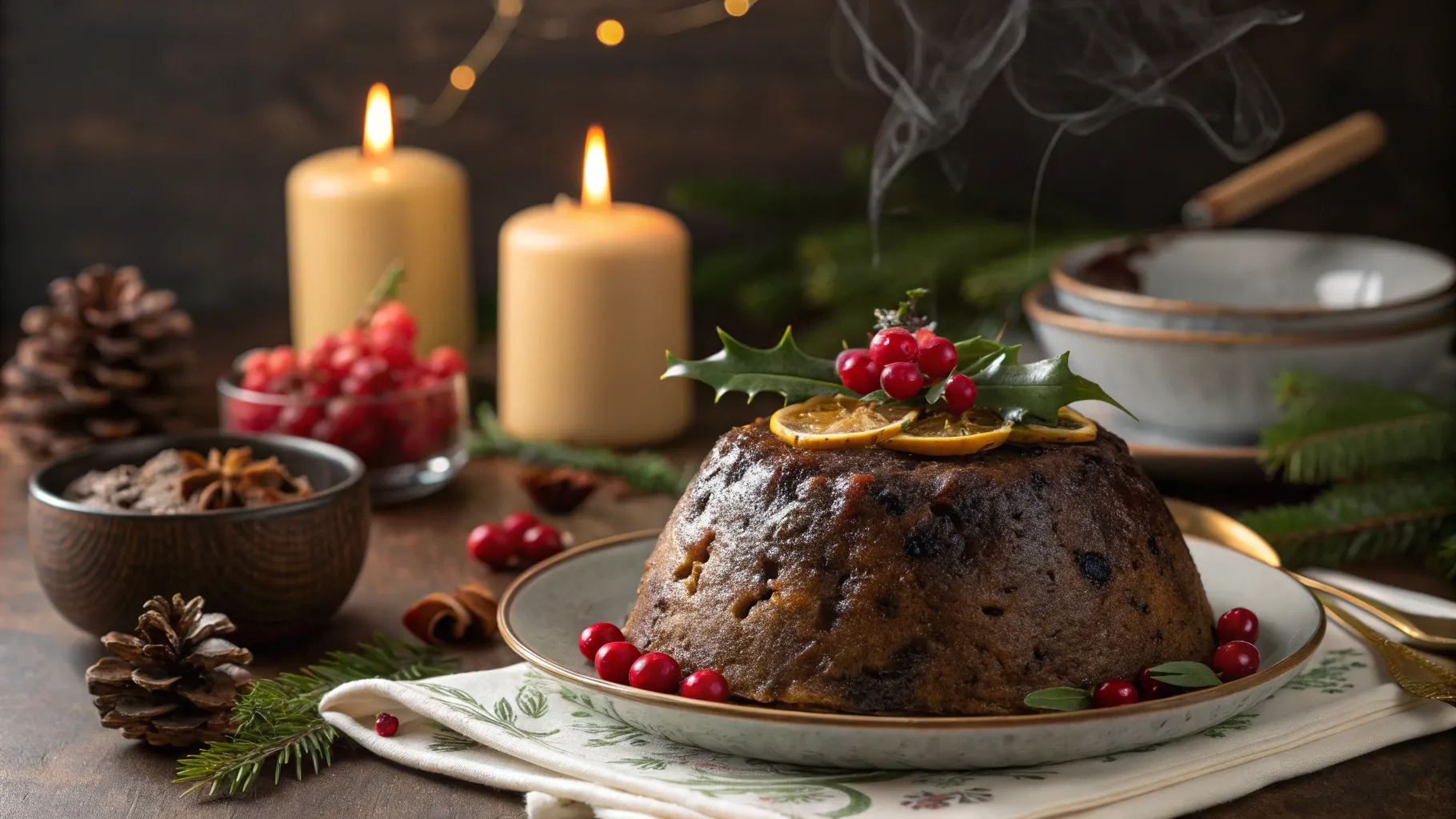
Exploring Christmas Pudding a Timeless Holiday Dessert Tradition
As the holiday season unfolds in 2025, homes around the world are filled with the scents of cinnamon, nutmeg, and sweet fruits, creating an ambiance that transports us to a winter wonderland. Among the many festive treats that grace our tables during this season, few can rival the charm and rich history of Christmas pudding. This traditional dessert not only delights our taste buds but also symbolizes the warmth and gathering spirit of the holidays.
What is Christmas Pudding
Christmas pudding, often referred to as plum pudding, is a rich, steamed dessert made with a mixture of dried fruits, spices, and suet, and bound together with breadcrumbs and treacle. It's treasured for its dense yet moist consistency and the explosion of flavors it provides. Traditionally, it is prepared well in advance to allow it to mature and develop its typical robust flavor, a custom dating back centuries.
But where did this lovely dessert originate? Christmas pudding has roots tracing back to medieval England, where the dish began as a porridge, later evolving into the compact, rich pudding we know today. The introduction of spices, sugar, and various fruits transformed it into a delicacy fit for festive occasions, particularly Christmas. Today, a staggering 70 percent of British families report making or enjoying a traditional Christmas pudding as part of their holiday celebrations.
The Ritual of Making Christmas Pudding
One of the fascinating aspects of Christmas pudding is the ritual involved in its preparation. Many families have their own unique recipes that have been passed down through generations. The pudding-making process often becomes a family affair, with everyone contributing—from mixing the batter to stirring in the momentous coin, which is said to bring good luck for the coming year.
- Gathering Ingredients: Key ingredients typically include mixed dried fruits (like raisins, currants, and sultanas), spices (cinnamon, nutmeg), and a bit of alcohol, usually brandy, to enhance flavor and aid preservation.
- Traditional Stirring: According to custom, each family member stirs the mixture and makes a wish as they do so, creating a sense of joy and togetherness.
- Steaming: The pudding is then steamed for several hours, creating that dense texture.
- Storage: Once cooled, the pudding is wrapped tightly and stored in a cool, dark place, often for months, allowing flavors to deepen.
In fact, the Nutritional Guidelines Advisory Committee recently highlighted how festive recipes, including Christmas pudding, can be both indulgent and nutritious, depending on ingredient choices. The dried fruits offer vitamins and minerals, while moderate portion sizes help manage indulgence without guilt.
Serving Christmas Pudding: A Celebration
On Christmas Day, serving Christmas pudding is often accompanied by festive flair. Traditionally, it is reheated and brought to the table flambé, doused in warm brandy and set alight, creating an impressive firework display as the flames spark and dance. Topped with a dollop of rich cream or a scoop of ice cream, this dessert truly is the crowning jewel of many holiday feasts.
Moreover, flavors and presentations go beyond the traditional. In recent trends, chefs have begun experimenting with flavors—introducing elements like chocolate, citrus, or even unconventional spices that reflect a more global twist. For instance, a recent survey of food enthusiasts showed that 65 percent enjoy the idea of fusion recipes that combine traditional elements with modern cuisine.
Modern Takes on Traditional Christmas Recipes
As the culinary world evolves, so does the beloved Christmas pudding. Creative chefs and home bakers take inspiration from this classic to develop other seasonal dessert ideas. The emergence of alternative ingredients and dietary preferences has birthed such variations as gluten-free Christmas pudding and vegan recipes that still capture the essence of the traditional tastes. People have become more adventurous, inspired by a desire to make celebrations more inclusive while honoring classic traditions.
- Gluten-Free Variations: Using almond flour or gluten-free breadcrumbs, many have discovered delightful alternatives that still deliver the same festive flavors.
- Vegan Christmas Pudding: Substituting suet with plant-based fats like coconut oil, while maintaining the richness of flavor with nuts and a variety of dried fruits, has opened the door for inclusive holiday treats.
- Low-Sugar Options: With an increasing focus on health, recipes utilizing natural fruit sweeteners are soaring in popularity, catering to health-conscious dessert lovers.
The popularity of Christmas pudding is reaffirmed each year, where sales figures indicate a massive rise in its appeal. In 2025, reports indicate a staggering increase of 12 percent in pudding sales, suggesting that families are investing more in traditions that evoke memories of warmth and family gatherings. People increasingly turn to their roots, celebrating the seasonal dishes that have sustained familial bonds for generations.
In conclusion, as we embrace the magic of the holidays in 2025, redefining festive treats while cherishing traditional recipes like Christmas pudding highlights the importance of culinary heritage. Each bite of this stunning dessert carries with it the heartfelt wishes and stories of those who came before us. Whether enjoyed in its traditional splendor or in a modernized form, Christmas pudding will forever remain a cherished part of our holiday dessert traditions, bringing joy, warmth, and sweetness to the hearts of many.