Understanding Cervical Vertigo Triggers and Balance Issues
Understanding Cervical Vertigo Triggers
Cervical vertigo is often an overlooked condition, yet its effects can significantly disrupt daily life. Those affected may experience intense episodes of dizziness linked to issues with the neck. Learning about cervical vertigo triggers is crucial for management and prevention. In 2025, increasing awareness of this condition highlights common causes, how posture and movement contribute to vertigo, and the physical factors associated with neck problems.
Common Causes of Neck-Related Dizziness
When discussing cervical vertigo, it is essential to recognize that neck injuries or disorders are primary culprits. Common neck-related causes for dizziness include:
- Cervical Spondylosis: This age-related condition involves wear and tear on spinal discs, which can affect balance.
- Cervical Whiplash: Often resulting from car accidents, whiplash can lead to muscle strain and nerve irritation.
- Herniated Discs: Discs that bulge or rupture can press on nerves, causing dizziness in addition to pain.
- Muscle Tension and Spasms: Tension in neck muscles can disrupt your body’s balance system, causing lightheadedness or vertigo.
Recent studies indicate that nearly 25% of individuals diagnosed with dizziness have cervical issues as a contributing factor. Understanding these triggers can empower individuals to seek appropriate medical advice.
How Posture and Movement Affect Vertigo
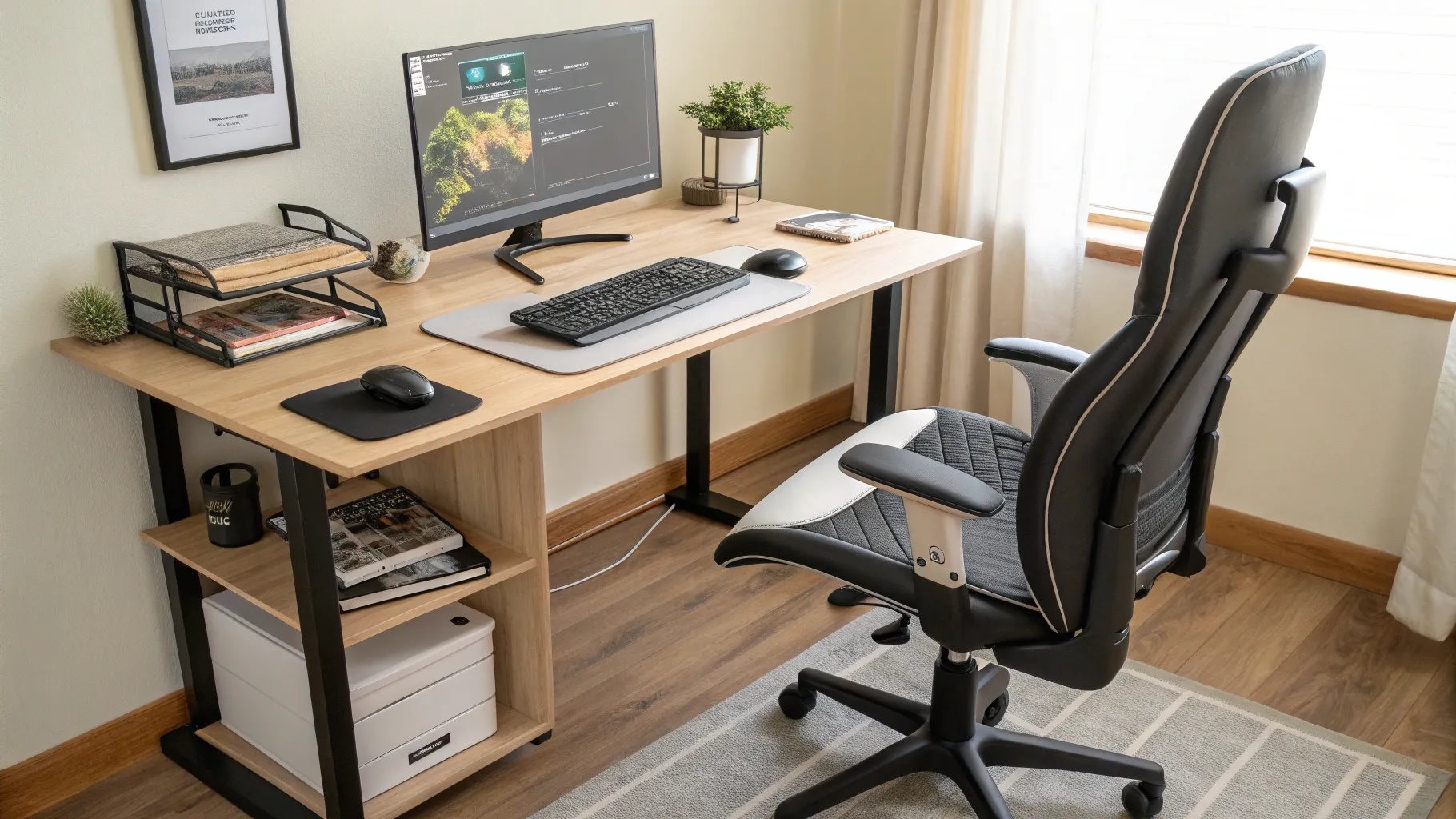
Another layer in understanding cervical vertigo involves recognizing how daily posture and movement can impact symptoms. Poor posture while sitting at a desk, for instance, places strain on the neck and can exacerbate cervical vertigo symptoms. As more people work from home in 2025, ergonomic awareness is more critical than ever.
When slumping forward, the neck is improperly aligned, which constricts blood flow to the brain and can induce dizziness. Individuals may notice that specific movements—such as turning the neck quickly or looking up—can trigger episodes of instability. Here are a few points regarding how posture might affect cervical vertigo:
- Neck Alignment: Maintaining a neutral neck position while working can help alleviate symptoms.
- Sitting Position: Ensuring your chair supports your lumbar spine can improve overall posture.
- Movement Changes: Gentle stretching and movement can prevent stiffness and improve balance.
One recent study from early 2025 found that individuals who implemented posture correction techniques saw a 40% reduction in cervical vertigo symptoms over three months. This statistic underlines the importance of integrating awareness into daily activities.
Physical Factors Contributing to Cervical Vertigo
Several physical factors contribute to the occurrence of cervical vertigo. One significant aspect involves proprioception, our body’s ability to sense where it is in space. Neck injuries can alter proprioceptive feedback, leading to balance issues. In simple terms, if the neck isn’t sending the right signals to the brain, dizziness can result.
Physiologically, other factors influencing cervical vertigo include:
- Vestibular Function: The vestibular system processes balance and spatial orientation. Neck issues can disrupt this system's communication, leading to dizziness.
- Blood Flow: Compression of arteries in the neck can impair blood flow to the brain, inducing vertigo and dizziness.
- Neurological Factors: Damage to nerves in the cervical region can result in vertiginous symptoms that mimic other conditions.
The interrelation of these physical factors means that treating neck issues can significantly alleviate vestibular symptoms. Physical therapy focusing on neck rehabilitation and balance can be beneficial. Considerable improvement has been reported among patients who engage in such therapeutic practices.
Understanding Balance Issues Linked to Neck Problems
Balance issues remain a core concern when dealing with cervical vertigo. Individuals may not realize that what they perceive as a minor neck issue might actually lead to vertiginous episodes. 2025 has offered fresh insights through case studies that explore the linkage between neck pain and balance disturbances. In fact, a survey conducted this past winter revealed that up to 30% of people with chronic neck pain also reported episodes of dizziness.
It's fascinating to note that even mildly tight muscles in the neck region can trigger a profound impact on the vestibular system, ultimately affecting balance. As tightness increases, the risk of recurrent dizziness escalates. Here are key elements to understand about balance issues:
- Coordination of Systems: The neck, inner ear, and visual systems must work in tandem for balance. Disruption in one can affect the others.
- Age and Degeneration: With age, neck muscle strength may decrease, correlating with increased vertigo in older adults.
- Your Body’s Feedback Mechanism: Recognizing your body’s signals when it’s unbalanced can lead to preventative strategies and more effective treatment options.
As research continues to evolve, so does our understanding of how cervical vertigo manifests. Engaging with healthcare professionals for ongoing assessments is crucial, especially for those experiencing repeated instances of neck-related dizziness.
In essence, cervical vertigo highlights the interconnectivity between the neck and the balance systems in the body. By learning about cervical vertigo triggers, individuals can better manage symptoms and enhance their overall quality of life. Exploring treatment options, such as chiropractic care or vestibular rehabilitation, can pave the way for recovery, allowing individuals to reclaim control over their well-being.