Discover Anti Aging Foods for Youthful Skin and Vitality
Learn About Foods That Support Healthy Aging
The quest for youthful skin and vitality often leads many to consider their diet. In 2025, a growing body of research highlights the profound connection between what we eat and how we age. Consuming a variety of natural, nutrient-dense foods can effectively slow down visible signs of aging, offering both immediate and long-term benefits. This exploration delves into how specific foods can promote longevity and enhance skin health, paving the way for a more vibrant, healthy life as we age.
Best Antioxidant-Rich Foods for Youthful Skin
Antioxidants play a crucial role in protecting our skin from oxidative stress caused by free radicals, UV rays, and pollution. Recent studies indicate that a diet rich in antioxidants can lead to clearer, more youthful skin, reducing the appearance of wrinkles and fine lines. Here are some top antioxidant-rich foods to include in your daily meals:
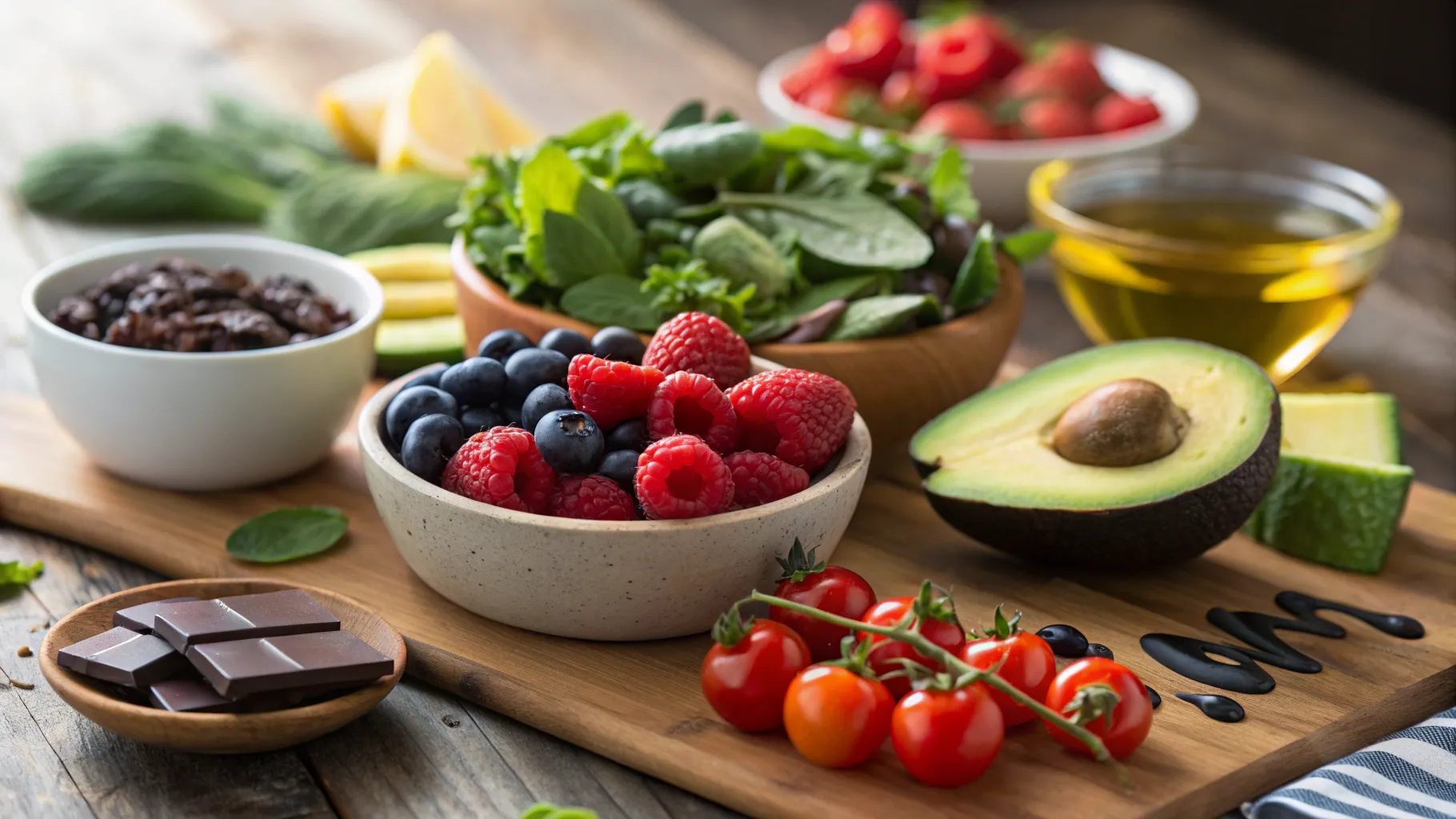
- Berries: Blueberries, strawberries, and raspberries are packed with vitamins C and E, which are essential for collagen production and skin repair. A 2023 study showed that individuals who consumed an average of two servings of berries a day had a notable improvement in their skin elasticity within three months.
- Dark Chocolate: Rich in flavonoids, dark chocolate not only satisfies your sweet tooth but also improves skin hydration and reduces roughness. Regular consumption (around 70% cocoa content) has been linked with improved skin texture.
- Leafy Greens: Spinach, kale, and Swiss chard are loaded with vitamins A, C, and K, which are vital for skin health. Vitamin K is especially important for maintaining skin elasticity.
- Avocado: This creamy fruit is rich in healthy fats and vitamins E and C. Studies show that regular avocado intake can enhance skin elasticity and hydration, providing a natural glow.
- Tomatoes: High in lycopene, tomatoes can protect your skin from sun damage. Interestingly, cooking tomatoes increases their lycopene content, making sauces a delicious way to boost your skin health.
The incorporation of these foods into your diet can yield significant benefits for your skin’s health and appearance. For example, individuals who regularly consume a blend of these antioxidant-rich foods often report feeling more energetic and looking more vibrant.
How Nutrition Helps Slow Visible Signs of Aging
Nutrition is a fundamental factor in aging gracefully and preserving skin vitality. Beyond antioxidants, other nutrients also have a remarkable impact on how we age.
- Omega-3 Fatty Acids: Found in fish like salmon and mackerel, omega-3s are vital for maintaining skin moisture and elasticity. They help reduce inflammation, which can lead to premature aging. A 2023 case study of omega-3 supplementation showed remarkable improvements in skin appearance among participants.
- Protein: Adequate protein intake is essential for collagen and elastin production. A diet low in protein can lead to sagging skin. Incorporating lean meats, legumes, and nuts can ensure you're getting enough protein.
- Hydration: Water plays a critical role in skin health. Those who focus on hydration through water-rich foods (like cucumbers and oranges) and proper fluid intake often find their skin appears fuller and more radiant.
- Vitamins and Minerals: Vitamins A, C, E, and minerals like zinc and selenium are crucial for skin health. They help repair damaged skin and protect against environmental stressors. Regular intake of citrus fruits, nuts, and seeds can help increase levels of these important nutrients.
These nutrition strategies have shown to not just maintain skin health but also promote overall vitality. Many healthcare professionals emphasize building a balanced diet that caters to skin benefits while also enhancing overall health.
Natural Foods That Promote Longevity and Vitality
Eating right also means choosing foods closely linked to longevity. The traditional diets of the Mediterranean and many Blue Zones (regions with high concentrations of centenarians) have long been associated with increased lifespan and vitality.
- Whole Grains: Quinoa, brown rice, and oats provide essential fibers and nutrients, reducing the risk of chronic diseases. These grains have also been associated with improved heart health.
- Nuts: Almonds, walnuts, and other nuts are nutrient powerhouses. They contain healthy fats, protein, and various vitamins. Studies reveal that people who consume nuts regularly have a lower risk of mortality.
- Fermented Foods: Yogurt, kefir, and kimchi not only support gut health but also enhance nutrient absorption, boosting overall health. Regular consumption of these foods can improve immunity and gut microbiota.
- Legumes: Beans, lentils, and chickpeas are protein-rich and a great source of fiber. Their regular intake is linked to reduced risk of obesity and heart disease.
- Olive Oil: A staple of the Mediterranean diet, olive oil is high in monounsaturated fats and contains antioxidants. Research indicates that it may significantly reduce the risk of brain and heart diseases.
Integrating these foods into your diet isn't just beneficial for your skin; it's a holistic approach to promoting longevity and enhancing quality of life. By choosing whole foods and maintaining a diverse diet, you can positively influence your health as you navigate the aging process.
In summary, adopting a diet rich in antioxidant-rich and nutrient-dense foods can dramatically affect how we age both internally and externally. The ripple effect of good nutrition promotes healthy living and transformative changes in our skin, keeping us looking youthful and vibrant throughout our years.