Discover 10 Foods With Hidden Sugar You Should Avoid
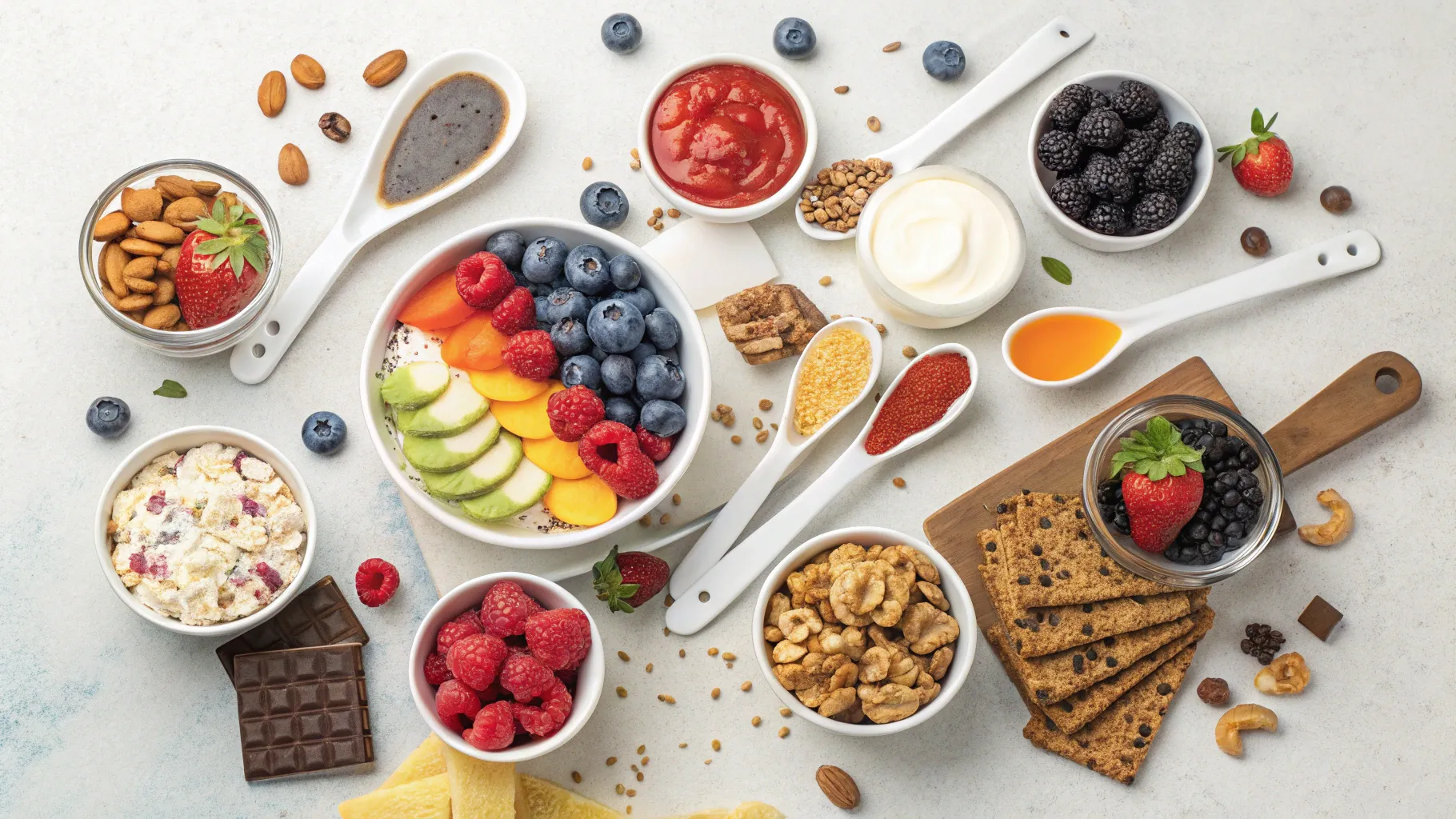
Understanding 10 Foods With Hidden Sugar
In today's health-conscious world, many of us are becoming increasingly aware of what we consume daily. One of the major culprits in modern diets is hidden sugars—those sneaky ingredients in foods that we might not typically associate with high sugar content. As we dive into 2025, it’s vital to identify these foods, understand their potential health impacts, and make informed choices. Here, we delve into 10 foods with hidden sugar that might surprise you and challenge your perceptions about healthy eating.
1. Breakfast Cereals
Breakfast cereals have long been a staple in many households, marketed heavily towards children and busy adults as a quick, healthy option. However, a survey conducted earlier this year reveals that a staggering 70% of popular breakfast cereals contain added sugars. While they may boast of whole grains and vitamins, many products, even those branded as "organic," can pack around 12 grams of sugar per serving. This amount is concerning because it sets off the day on a high-sugar note—something that parents might not realize.
2. Yogurt
Yogurt, especially the flavored varieties, is often misjudged as a wholesome snack. Although it contains probiotics and protein, many consumers are unaware that flavored yogurts can harbor up to 20 grams of sugar per serving. In particular, low-fat options may use added sugars to compensate for flavor loss. As a healthy alternative, opting for plain yogurt and adding fresh fruits can help avoid unnecessary sugar spikes.
3. Sauces and Condiments
- Ketchup: A beloved condiment, ketchup contains as much as 4 grams of sugar per tablespoon. Since many people don’t stop at just one tablespoon, it’s easy to overlook how much sugar is being consumed with those fries.
- Barbecue Sauce: Summer barbecues can turn into sugar traps, with some barbecue sauces containing nearly 20 grams of sugar per serving. This can significantly increase sugar consumption without anyone realizing it.
- Salad Dressings: Look out for salad dressings that use "natural flavors" as a mask for added sugars. These can contribute hidden calories and sugar to what many perceive as a healthy meal.
4. Granola Bars
Granola bars are often marketed as nutrient-dense and a perfect on-the-go snack, but many are hiding a significant amount of sugar. Reports show that a single granola bar can contain up to 12 grams of sugar, often sourced from syrups and sweeteners. Despite their healthy image, some bars have the same sugar content as candy bars, proving it's essential to read labels carefully.
5. Dried Fruits
Dried fruits can be a fantastic snack option, rich in nutrients and fiber. Yet, many brands add sugar to enhance sweetness, transforming what could be a healthy choice into a sugary one. Sweetened cranberries, for example, can pack up to 26 grams of sugar per serving, which undermines their health benefits significantly. It's always best to choose unsweetened varieties when possible.
6. Bread and Bakery Products
Those seemingly innocent slices of bread hide more than just carbs. Many brands add sugar to enhance flavor or prolong shelf life. Whole grain and artisanal varieties can still contain added sugars, averaging about 5 grams per slice. If you consume two slices for a sandwich, you might be unintentionally increasing your daily sugar intake considerably.
7. Plant-Based Milk
In a world where plant-based diets are on the rise, choices such as almond or oat milk are becoming increasingly popular. However, flavored variants of these dairy alternatives can be packed with added sugars, sometimes exceeding 10 grams per glass. Even the supposedly "unsweetened" options may contain hidden sugars, making it vital to scrutinize labels before purchasing.
8. Snack Foods
Crunchy snacks like potato chips, popcorn, and pretzels might not seem like they would have high sugar content, but many varieties contain added sugars to enhance flavor. Certain popcorn flavors can include up to 12 grams of sugar per serving, transforming what appears to be a savory snack into a sugary treat.
9. Energy Drinks
With fitness trends continuing to influence consumers, energy drinks have surged in popularity. Alarmingly, some energy drinks can contain over 50 grams of sugar in one serving—potentially introducing serious health risks for unsuspecting consumers. This level of sugar is similar to that found in multiple candy bars, which many individuals may overlook in their quest for an energy boost.
10. Canned Fruits
Canned fruits are often perceived as a convenient way to add healthy options to meals and snacks. However, most canned fruits are packed in syrup, significantly increasing their sugar content. Research conducted in the last year indicates that a cup of canned peaches can contain nearly 30 grams of sugar, overshadowing their nutritional benefits entirely. Opting for fresh or frozen fruits is generally a healthier choice.
Why Hidden Sugars Matter
Recognizing hidden sugars in everyday foods is essential for maintaining a balanced diet, especially as these sugars can lead to unexpected spikes in blood sugar levels and contribute to weight gain and other health issues. In 2025, dietary guidelines continue to advocate for limiting added sugars to prevent risks associated with diabetes and heart disease. By embracing a diet rich in whole foods and scrutinizing food labels, consumers can make more informed decisions regarding their sugar intake.
By knowing where hidden sugars are lurking, consumers can adopt healthier habits, benefiting not just physical health but overall well-being. In an age where nutrition education is readily available, taking time to learn about hidden sugars can empower us to lead healthier lives, avoiding the pitfalls of modern dietary challenges.