Diet Changes for Colitis Effective Management Strategies
Understanding Diet Changes for Colitis
Living with colitis can be a challenging journey, but the right diet changes can make it much more manageable. Colitis, an inflammation of the colon, often leads to a range of uncomfortable symptoms such as abdominal pain, diarrhea, and fatigue. Making intentional modifications to your diet could be a game-changer for your digestive health. In this article, we will dive into effective diet changes for colitis that you can implement today for better management and symptom relief.
Effective Diet Changes for Colitis
When looking to develop a colitis diet plan, the key lies in understanding which foods can aggravate your symptoms and which can support your digestive health.
- Identify Triggers: Everyone's body reacts differently, so it’s essential to keep a food diary. Note what you eat and any symptoms that follow. Common triggers include spicy foods, high-fiber foods, and dairy products.
- Low-FODMAP Diet: Many colitis patients benefit from a low-FODMAP diet. This means reducing foods that are high in fermentable carbohydrates. Foods to avoid include onions, garlic, beans, and certain fruits like apples and pears.
- Incorporate Soluble Fiber: Unlike insoluble fiber, soluble fiber can help manage symptoms. It is found in foods like oats, bananas, applesauce, and carrots. Incorporating these can improve gut health.
- Stay Hydrated: Diarrhea may lead to dehydration, so drinking plenty of fluids is critical. Water is best, but electrolyte drinks can also help maintain balance.
- Small, Frequent Meals: Instead of three large meals, consider consuming five or six smaller meals throughout the day. This approach can be easier on your digestive system.
Adjusting your diet is not merely about eliminating certain foods; it’s also about including those that nourish your gut while reducing inflammation. Recent studies indicate that individuals who stick to a balanced diet comprising anti-inflammatory foods experience fewer flare-ups and improved overall well-being.
Foods for Colitis Management
Now that we understand some fundamental changes, let’s explore some specific foods that can be beneficial for colitis management. Incorporating these foods into your colitis diet plan may not only help alleviate symptoms but also promote long-term wellness.
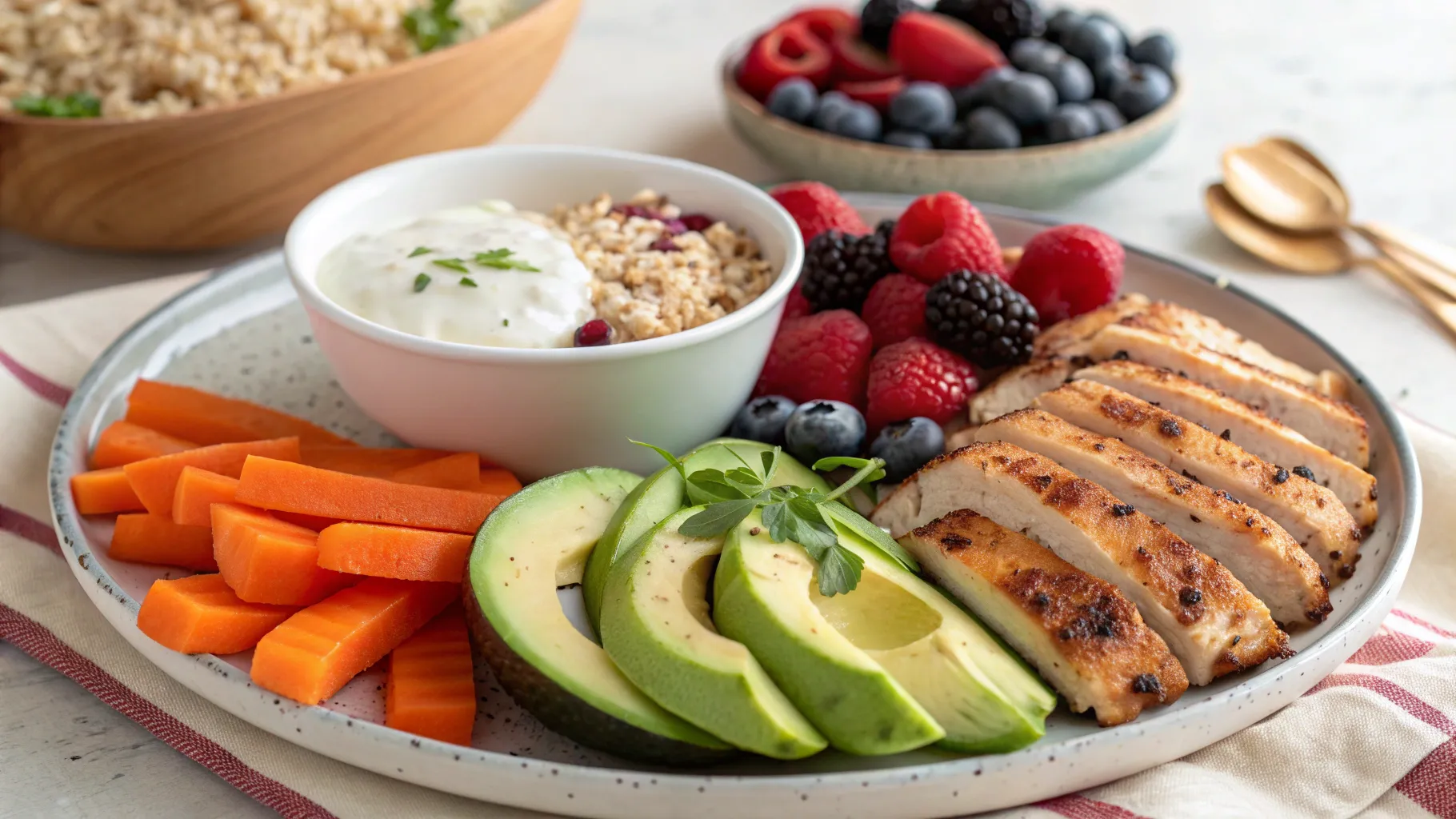
- Lean Proteins: Chicken, turkey, and fish are excellent sources of protein that are easier to digest and less likely to cause inflammation.
- Healthy Fats: Avocados, olive oil, and nuts provide essential fatty acids, which help reduce inflammation. Omega-3 fatty acids, in particular, found in fish like salmon, are well-known for their anti-inflammatory properties.
- Fermented Foods: Foods like yogurt and kefir, which contain probiotics, can enhance gut health by promoting the growth of good bacteria in your digestive tract.
- Cooked Vegetables: Steaming or roasting vegetables reduces their fiber content, making them easier to digest. Carrots, zucchini, and spinach are all great options.
- Rice and Pasta: These are bland carbohydrates that provide energy and are typically well-tolerated by individuals with colitis.
A case study published in the Journal of Gastroenterology in early 2025 highlighted how a patient with moderate colitis successfully improved their condition through dietary adjustments. By eliminating known irritants and incorporating more lean meats and soluble fiber, they noted a significant decrease in flare-ups over six months.
Nutritional Strategies for Success
It's not only about the foods you choose but also how you approach your dietary changes. Here are some strategies that may help you stick to your colitis diet plan:
- Plan Ahead: Meal prepping saves time and ensures you have healthy meals ready when symptoms strike. Consider dedicating a day to cook meals for the upcoming week.
- Mindful Eating: Eating slowly and mindfully can help you tune into your body’s signals. Pay attention to how certain foods make you feel and adjust accordingly.
- Consult a Nutritionist: Seeking advice from a registered dietitian can provide personalized guidance based on your specific needs and symptom patterns.
- Join Support Groups: Connecting with others who understand what you are going through can offer emotional support and useful tips on managing colitis.
Statistics show that about 70% of colitis patients who implement dietary changes report a significant improvement in their quality of life. This emphasizes the importance of understanding colitis nutrition as part of a holistic treatment approach.
Staying Informed and Adaptive
As you embark on your journey of understanding diet changes for colitis, remember that everyone's experience with this condition is unique. What works well for one person may not work for another. Ongoing research continues to shed light on gut health, and staying informed will help you make the best choices for your body. Advances in nutritional science, alongside personal feedback and research, can empower you on your journey to health and well-being.
In summary, dietary modifications can be pivotal in managing colitis symptoms effectively. From identifying personal food triggers to incorporating nutrient-dense foods and employing smart eating strategies, there are multiple avenues to explore. With dedication and the right information, you can regain control over your dietary habits and improve your digestive health.