Understanding Dental Implants: Benefits, Process and Types
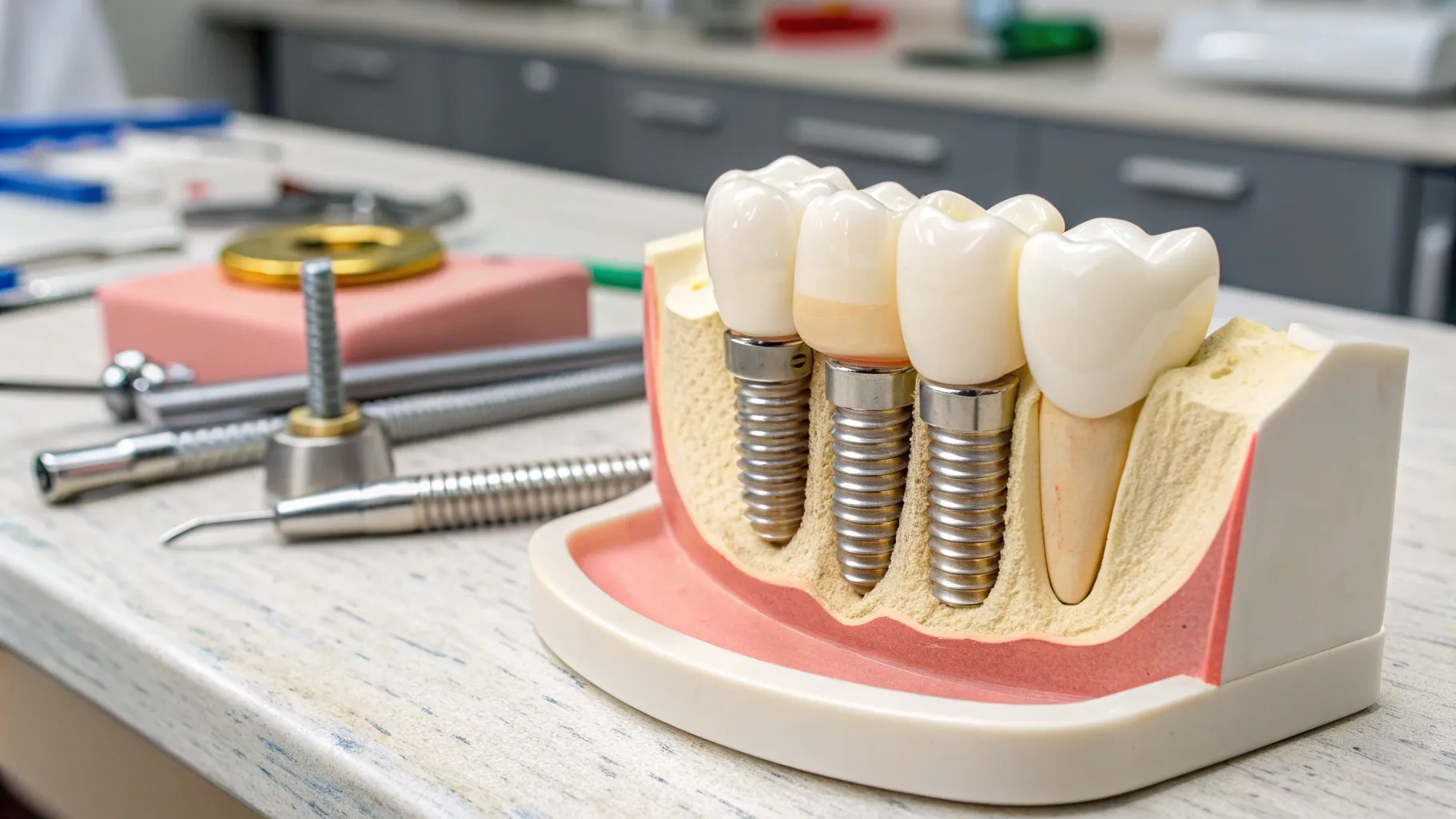
Understanding Dental Implants in 2025
In the world of restorative dentistry, dental implants have become a crucial option for those looking to replace missing teeth. Their appeal stems from their ability to deliver a solution that closely resembles the structure and function of natural teeth. As we embrace 2025, the realm of dental implants has witnessed significant advancements in technology, making them even more effective, affordable, and accessible. This is especially true for dental implants for seniors, who often grapple with complex dental issues.
The Dental Implant Process Made Easy
The journey to obtaining dental implants is a detailed procedure that unfolds over several months, depending on a patient's unique circumstances and the specific type of implant required. The initial step is a thorough assessment by the dentist, focusing on key factors like the density of the jawbone—a pivotal element for the success of the implant. Below is a simplified overview of the stages involved in the dental implant process:
- Consultation: The process begins with an in-depth consultation that may include imaging techniques such as X-rays or advanced 3D scans to assess the jaw structure.
- Implant Placement: In a surgical setting, a titanium post is inserted directly into the jawbone, which will serve as the root for the new tooth.
- Osseointegration: Following the placement, the osseointegration phase takes place over several months, where the jawbone heals and grows around the implant, securing it firmly in place.
- Abutment Placement: Once healing is complete, a connector called an abutment is positioned onto the implant, providing a base for the eventual crown.
- Crown Placement: The final step involves attaching a custom-designed crown to the abutment, effectively completing the restoration process.
As of now, approximately 3 million individuals across the United States have undergone the dental implant procedure, with annual growth rates indicative of their rising popularity. According to recent statistics, about 500,000 more people seek this restorative option each year, reflecting a trend towards optimizing oral health through implants.
Types of Dental Implants
When considering dental implants, two primary types come into play: endosteal and subperiosteal implants. Each serves tailored purposes that cater to various dental needs.
- Endosteal Implants: The most common form of implant, endosteal implants are inserted directly into the jawbone and are ideal for patients who have a robust jawbone structure.
- Subperiosteal Implants: These implants are positioned beneath the gum but sit above the jawbone, making them suitable for patients with insufficient jawbone density to support endosteal implants.
Choosing between these types often depends on an individual's dental health and the specific recommendations of their dental care provider. A thorough consultation with a qualified dentist will help determine the optimal choice.
Dental Implants for Seniors: A Transformational Option
Today's seniors are increasingly opting for tooth replacement dental implants, thanks to their long-lasting effectiveness and enhanced quality of life. Many elderly individuals struggle with the consequences of tooth loss or decay, and dental implants offer more than just aesthetic benefits. Here are some notable advantages they provide:
- Better Oral Health: Unlike traditional dental bridges, dental implants do not require the alteration of adjacent teeth, preserving the overall integrity of the oral structure.
- Improved Quality of Life: Patients consistently report enhanced satisfaction, reclaiming their ability to eat comfortably, speak clearly, and smile without hesitation.
- Longevity: With proper care routines, dental implants can endure for life, representing a wise investment for seniors seeking sustainable dental solutions.
Recent surveys indicate that dental implants boast a success rate of approximately 95%, providing a dependable option for older adults desiring restorative dental solutions. Notably, feedback from seniors who received implants reflected a stunning 90% satisfaction rate, emphasizing significant boosts in both physical health and psychological well-being.
Factors Influencing Dental Implant Success
Though dental implants present numerous advantages, certain factors can significantly sway their success. Here are a few critical elements that influence outcomes:
- Overall Health: Pre-existing conditions, such as diabetes and osteoporosis, can hinder proper healing and integration.
- Oral Hygiene: Maintaining excellent oral hygiene before, during, and after the implant procedure is essential to ensure lasting success.
- Lifestyle Choices: Habits such as smoking or excessive alcohol consumption can notably increase the risks of implant failure.
In light of these factors, the dental community emphasizes ongoing patient education and thorough pre-operative evaluations to mitigate potential risks effectively.
Keeping Up with Innovations in Dental Implants
As dental techniques and technologies rapidly evolve, the future of dental implants looks promising. Innovations like digital imaging and 3D printing are beginning to reshape the landscape, significantly enhancing the precision and efficiency of implant procedures. For example, new biocompatible materials are being tested to further improve healing times and stability of dental implants.
Moreover, the advances in regenerative medicine are presenting exciting possibilities, potentially eliminating the need for bone grafts in patients who may have faced challenges linked to significant jawbone loss. This progress is particularly beneficial for seniors, who often deal with age-related obstacles in obtaining proper dental care.
Todays' dental implants are far from being a mere trend; they represent a paradigm shift in modern dentistry. As research and advancements continue to unfold, we are witnessing a remarkable potential for dental implants to elevate the quality of life for individuals across various demographics, especially seniors looking for trusted solutions to dental problems.