Creating the Ultimate Dog-Friendly Backyard: A Complete Guide
Your backyard can be more than just a patch of grass; it can be a sanctuary for your four-legged friend. Creating a space that is safe, engaging, and comfortable for your dog doesn't have to be complicated. With thoughtful planning, you can design an outdoor haven that meets your dog's needs for exercise, play, and relaxation while still being an enjoyable space for the whole family.
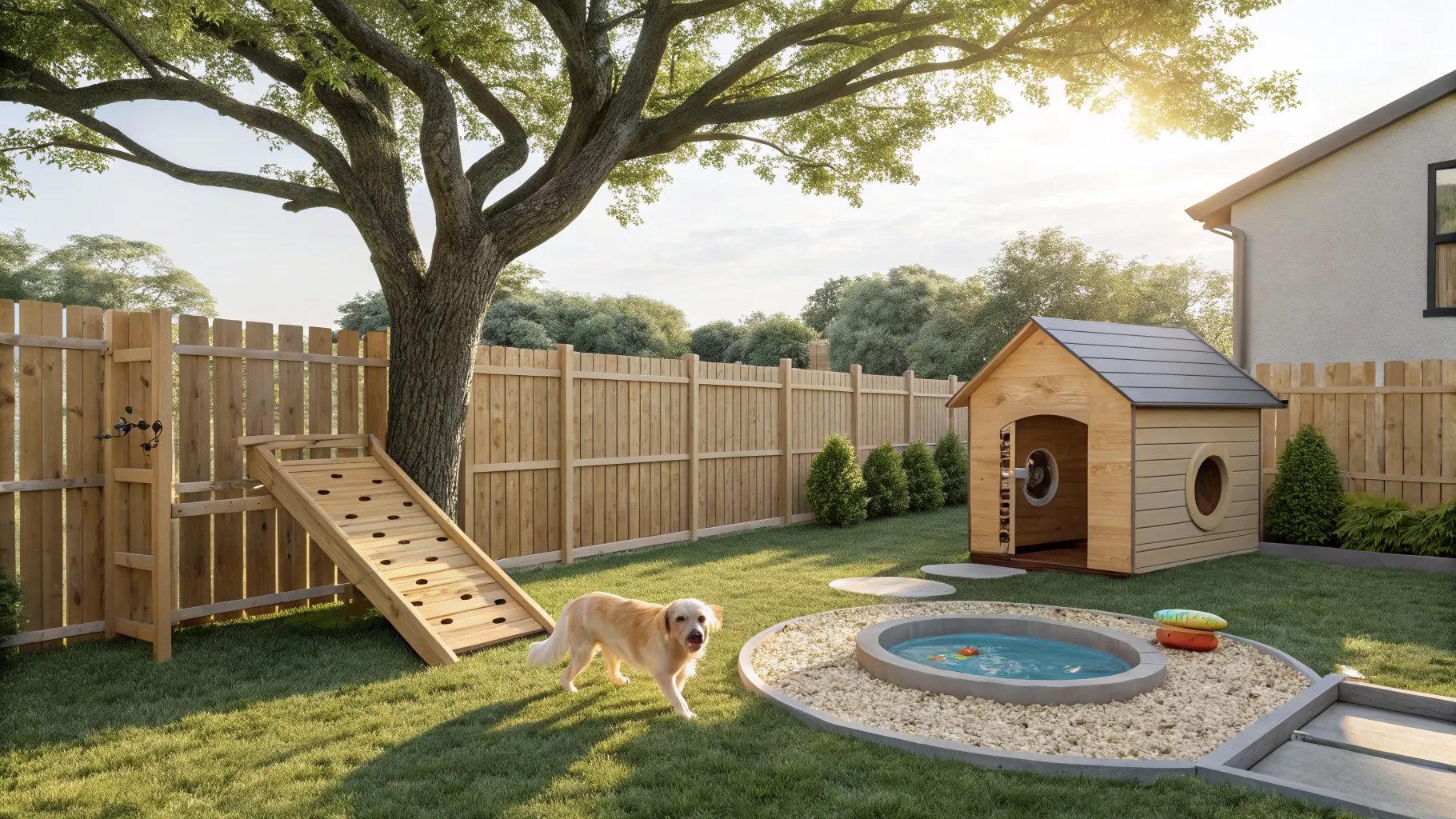
Safety First: Fencing and Secure Boundaries
The most critical element of any dog-friendly yard is a secure boundary. A reliable fence prevents your dog from wandering off into potentially dangerous situations and keeps other animals out. When choosing a fence, consider your dog's size, breed, and temperament. A small dog might be fine with a four-foot fence, while a large, athletic dog might require a six-foot privacy fence to prevent them from jumping over.
Inspect your fence regularly for any weak spots, holes, or gaps, especially at the bottom where a determined dog might try to dig. Gates should have dog-proof latches that close securely. If you have a pool or water feature, it's wise to have a secondary fence around it for added safety, preventing accidental falls when you're not around to supervise.
Creating a Designated Potty Area
To keep your lawn green and clean, training your dog to use a specific spot as a bathroom is a fantastic idea. This designated potty area can be sectioned off in a discreet corner of the yard. Choose a surface material that is easy to clean and comfortable for your dog's paws. Popular options include pea gravel, wood chips, or dog-friendly artificial turf with proper drainage.
Consistency is key to training your dog to use this spot. Lead them to the area on a leash every time they need to go out and reward them with praise or a treat when they use it successfully. A dedicated potty station not only protects your lawn from burn spots but also makes cleanup much more manageable.
Fun and Agility Zones
A bored dog can become a destructive dog. Incorporating elements for play and exercise can keep your pup mentally and physically stimulated. You don't need a professional-grade agility course; simple DIY features can provide hours of entertainment. Consider adding a few items to create a fun zone for your pet.
- A Digging Pit: If your dog loves to dig, give them a designated spot. A simple sandbox filled with sand or loose soil can redirect their digging instincts away from your garden beds.
- Tunnels and Ramps: Purchase or build simple tunnels and low-to-the-ground ramps for them to run through and climb on.
- Weave Poles: A set of simple poles stuck in the ground can create a fun weaving course to practice their agility.
- Durable Toys: Keep a collection of outdoor-specific toys like sturdy balls and tug ropes to encourage interactive play.
Water Features and Cooling Stations
On hot days, dogs need a way to cool down. Providing easy access to water for both drinking and playing is essential to prevent overheating. Always have a large, sturdy bowl of fresh, clean water available in a shady spot. Refill and clean it daily to prevent the growth of bacteria.
For playtime, a simple hard-plastic kiddie pool can provide immense joy and relief from the heat. Splash pads designed for dogs or even a simple lawn sprinkler can also be a great source of fun. When setting up a water station, ensure the area has good drainage to avoid creating a muddy mess in your yard.
Dog-Friendly Landscaping and Plants
When planning your garden, it's crucial to choose plants that are non-toxic to dogs. Many common garden plants can be harmful if ingested. Opt for hardy, resilient plants that can withstand some wear and tear from a playful pup. Create raised garden beds or use planters to protect more delicate flowers from being trampled.
For ground cover, choose paw-friendly options like clover or durable grass varieties. Avoid using cocoa bean mulch, which is toxic to dogs. Some safe plant options include sunflowers, snapdragons, and rosemary. Conversely, be sure to avoid plants like lilies, tulips, azaleas, and sago palms, which are highly toxic to canines.
Providing Shade and Shelter
Just like humans, dogs need protection from the elements. A shady spot to rest is a necessity, especially during the hot summer months. If your yard doesn't have mature trees, you can create shade with a covered patio, a large outdoor umbrella, or a stretched-out sun sail. These provide a cool retreat from the sun's direct rays.
A dog house can also offer excellent shelter not just from the sun, but also from wind and rain. Make sure the dog house is the right size for your pet, allowing them to stand up and turn around comfortably. Elevating it slightly off the ground can improve air circulation and keep the interior dry.