Craft and Sewing Classes for Seniors Over 60: A Guide to Creative Learning
Exploring new hobbies later in life provides a wonderful opportunity for personal growth and social connection.
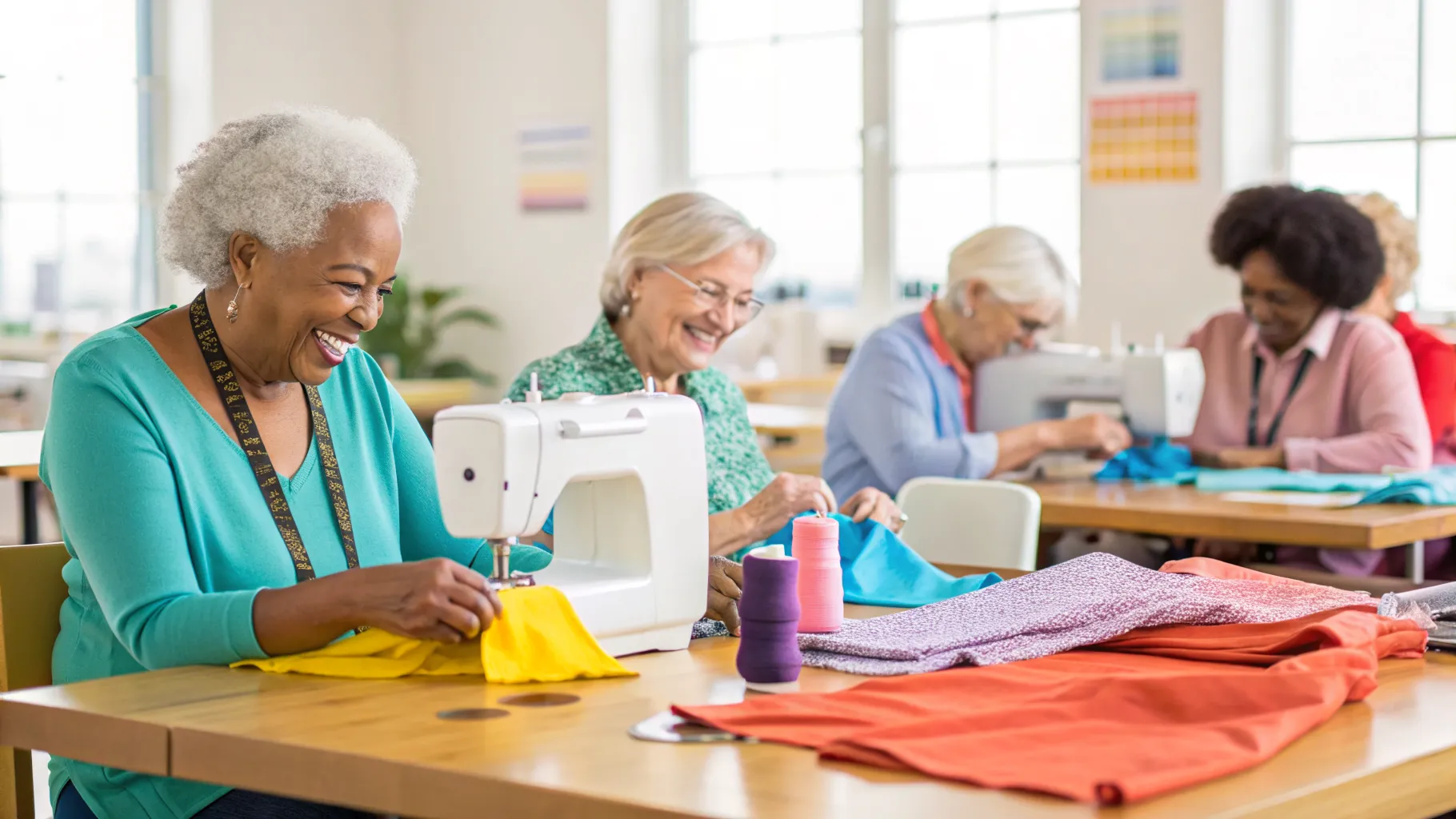
The Benefits of Creative Hobbies in Later Life
Engaging in creative activities offers numerous cognitive and physical benefits for adults over sixty. Working with textiles and craft materials helps maintain fine motor skills and hand-eye coordination. Keeping the mind active through learning new techniques can also improve memory and cognitive flexibility.
Beyond the physical advantages, group classes provide a significant social outlet. Many older adults find that attending regular workshops helps them build meaningful connections with peers who share similar interests. The sense of accomplishment that comes from finishing a project further boosts overall mental well-being and confidence.
Types of Sewing Classes Available for Older Adults
Sewing encompasses a wide range of disciplines, and classes are often categorized by skill level and project type. Beginners might look for introductory courses that cover the basics of operating a sewing machine, threading needles, and executing simple stitches. These sessions usually focus on straightforward projects like pillowcases or tote bags.
For those with some prior experience, intermediate and advanced classes offer opportunities to refine specific skills. Popular options include garment construction, quilting, and alterations. Quilting circles are particularly popular among seniors, as they combine intricate handiwork with a highly collaborative and social environment.
Exploring Other Popular Crafting Workshops
If sewing does not appeal, there are plenty of other creative avenues to explore. Knitting and crocheting remain highly sought after, offering a portable and rhythmic activity that many find relaxing. Scrapbooking and card making are also excellent options for those who want to preserve family memories or create personalized gifts.
Pottery and ceramics classes provide a more tactile experience, allowing participants to mold and shape clay into functional or decorative items. Woodworking and jewelry making are additional options that require precision and focus. Each of these crafts offers a unique set of materials and techniques, ensuring that there is a creative outlet for every interest.
What to Expect from Beginner Crafting Sessions
Walking into a new class can feel intimidating, but beginner workshops are specifically designed to be welcoming and low-pressure. Instructors typically start with a comprehensive overview of safety protocols, basic tool usage, and an introduction to the workspace. The pace is usually relaxed, allowing participants plenty of time to ask questions and practice new skills without feeling rushed.
- Step-by-step demonstrations from the instructor to ensure everyone understands the fundamentals
- Printed materials or visual aids to take home for future reference
- Dedicated time for hands-on practice with immediate feedback
- Guidance on purchasing supplies if you decide to continue the hobby independently
Where to Find Local Craft and Sewing Programs
Discovering the right class often starts within the local community. Community centers and senior recreation facilities frequently host subsidized or free workshops tailored specifically for older adults. These venues understand the needs of seniors and often provide accessible spaces with adequate lighting and comfortable seating.
Local craft stores, fabric shops, and yarn boutiques are also excellent resources. Many of these businesses host weekly classes or weekend workshops taught by experienced artisans. Public libraries and community colleges occasionally offer continuing education courses focused on the arts, providing yet another avenue for structured learning.
Tips for Choosing the Right Class for Your Needs
Selecting the best class involves considering both personal interests and physical comfort. It is important to evaluate the physical demands of the craft before enrolling. For example, individuals with arthritis might prefer activities that do not require intense grip strength, such as watercolor painting or beginner machine sewing, rather than heavy hand-sewing.
Additionally, consider the class schedule and location. Look for venues that are easy to navigate and offer convenient parking or access to public transportation. Reading course descriptions carefully and reaching out to instructors beforehand can help ensure the environment will be a good fit for your learning style and mobility requirements.