A Complete Guide to Couch Cleaning: Tips for Every Fabric
🗣️ Fast Facts:
- Decoding Tags: Your couch has a cleaning code (W, S, W/S, or X) that dictates the only safe cleaning methods.
- Cost Comparison: Professional sofa cleaning can cost $80-$200, while effective DIY solutions can be made for under $20.
- Prevention is Key: Always blot spills immediately and vacuum weekly to prevent dirt from setting into the fibers.
Understanding Symptoms & Options
A couch is more than just furniture; it's a central hub for family, pets, and relaxation. Over time, it accumulates dust, allergens, stains, and odors that can affect both its appearance and your home's air quality. Recognizing the signs that your sofa needs a deep clean and knowing your options—from simple spot treatments to professional services—is essential for maintaining its longevity and comfort. This guide provides an informative overview of couch cleaning tips to help you make the best decision for your furniture.
Key Sofa Cleaning Methods & Fabric Care
Before you begin, locate the manufacturer's tag to find the cleaning code. This single letter is the most critical piece of information for safe and effective cleaning.
- Code W (Water-Based): You can use water-based cleaning solutions. This is the most common and easiest type of fabric to clean. A mix of gentle dish soap and water often works well.
- Code S (Solvent-Based): Use a water-free solvent cleaner only. Water can damage these fabrics, causing shrinking or staining. Isopropyl alcohol or a specialized dry cleaning solvent is required.
- Code W/S (Water or Solvent): You have the flexibility to use either water-based or solvent-based cleaners. However, it's still crucial to test a small, hidden area first.
- Code X (Vacuum Only): Do not use any liquid cleaners, water, or solvents. Cleaning is restricted to vacuuming or light brushing to remove surface dirt. Professional help is recommended for deep cleaning.
- Leather: Requires specialized leather cleaners and conditioners. Avoid all-purpose cleaners, which can dry out and crack the material. A solution of equal parts water and white vinegar can work for general cleaning, followed by a conditioner.
- Microfiber: Often coded 'S', rubbing alcohol is highly effective for microfiber. It evaporates quickly and doesn't leave water spots. Use a white sponge to apply and a soft-bristled brush to fluff the fibers once dry.
Comparison: Standard vs. Advanced Cleaning Options
Standard (DIY) Cleaning
This approach is ideal for routine maintenance and minor spills. It typically involves vacuuming the entire couch, including crevices, to remove loose debris. Spot cleaning is done using the appropriate cleaner for your fabric code, applied with a clean white cloth. For 'W' code fabrics, a simple homemade solution of warm water and a few drops of dish soap can be effective. The key is to blot, not rub, the stain to avoid spreading it.
Advanced (Professional) Cleaning
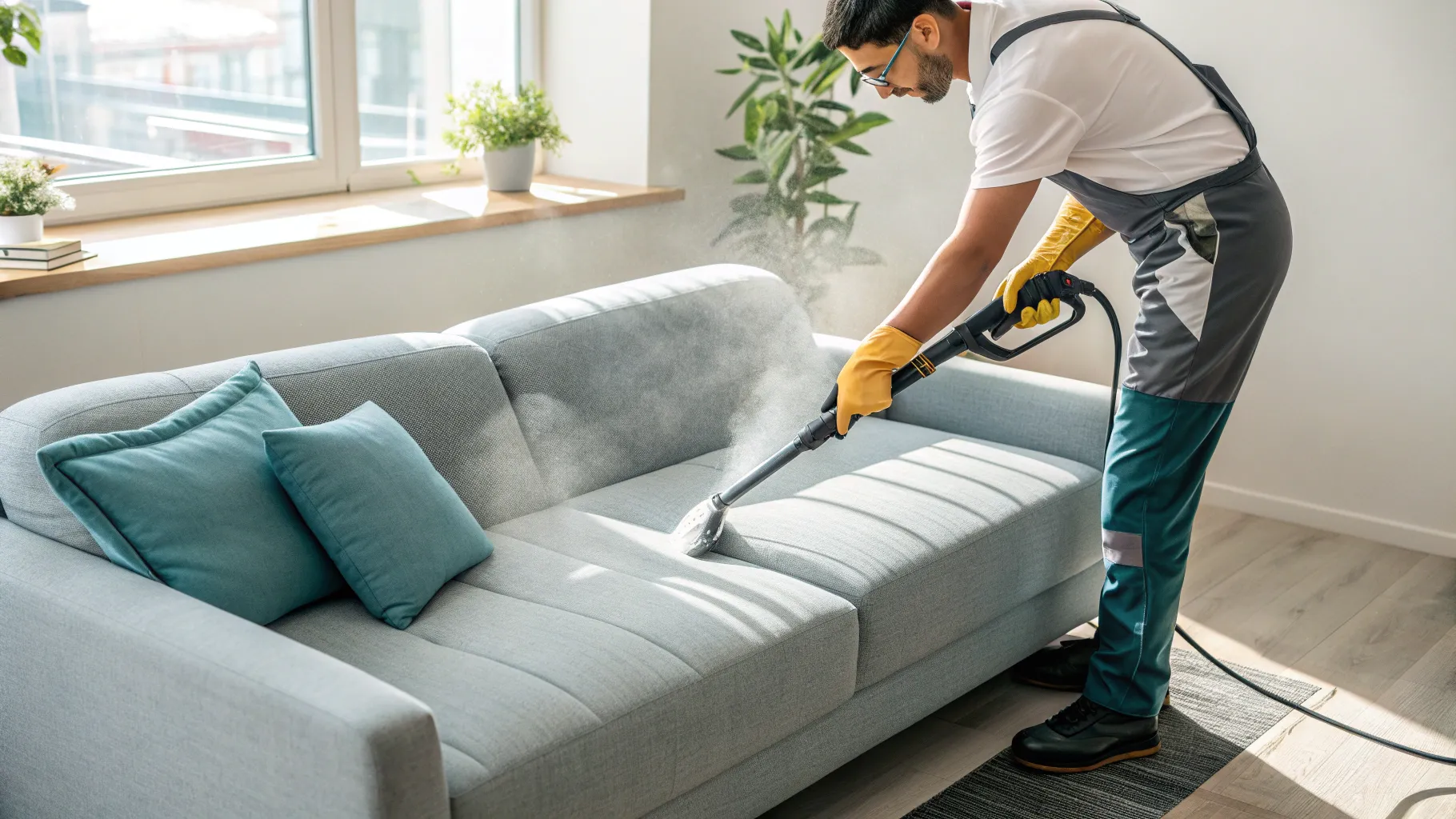
This is recommended for deep-set stains, overall dinginess, or delicate 'X' code fabrics. Professionals use methods like hot water extraction (steam cleaning) or dry solvent cleaning. Hot water extraction injects a high-pressure solution deep into the fibers and immediately vacuums out the dirt and moisture. This method is highly effective for removing allergens, dust mites, and stubborn grime but is only suitable for 'W' or 'W/S' code fabrics.
When Does Your Couch Need Cleaning? A Checklist
Not sure if it's time for a deep clean? Look for these common symptoms:
- Visible Stains: Obvious spots from food, drinks, or pets that spot-cleaning can't remove.
- Lingering Odors: A persistent smell from pets, smoke, or food that doesn't go away.
- Dull Appearance: The fabric looks faded, grimy, or darker in high-traffic areas like armrests.
- Increased Allergies: A buildup of dust mites and pet dander in your sofa can trigger allergic reactions.
- Pet Hair Buildup: When vacuuming no longer effectively removes embedded pet hair.
Frequently Asked Questions
How often should I clean my couch?
It's recommended to vacuum your couch weekly and have it professionally deep-cleaned every 12 to 24 months, depending on usage, pets, and household allergies. Minor spills should be treated immediately.
Can I use a carpet cleaner machine on my sofa?
It depends. Many carpet cleaners have upholstery attachments, but you must ensure the cleaning solution is compatible with your couch's fabric code ('W' or 'W/S'). Using one on an 'S' or 'X' code fabric will cause damage.
What is the best way to remove pet odors from a couch?
Start by vacuuming thoroughly. Then, sprinkle baking soda over the entire couch, let it sit for several hours (or overnight), and vacuum it up. For persistent odors, an enzyme cleaner designed to break down pet stains is the most effective solution.
References
- Good Housekeeping Institute
- The Spruce
- Institute of Inspection Cleaning and Restoration Certification (IICRC)