Cooking Tips for Beginners: Your Ultimate Beginner Cooking Guide
Facts:
- Proper knife skills can increase cooking speed by over 30%.
- A major 2025 trend is a focus on simple, from-scratch meals.
From Zero to Hero: Essential Cooking Tips for Beginners
Embarking on a culinary journey can feel intimidating, but with the right guidance, anyone can master the basics. This comprehensive beginner cooking guide is designed to demystify the kitchen and empower you with the confidence you need. We'll explore everything from fundamental techniques to essential tools, providing a clear roadmap for how to start cooking at home. Our goal is to provide an informative guide to basic cooking techniques for beginners that is both practical and encouraging, helping you build a strong foundation for a lifetime of delicious creations.
Understanding the Fundamentals: Basic Cooking Techniques
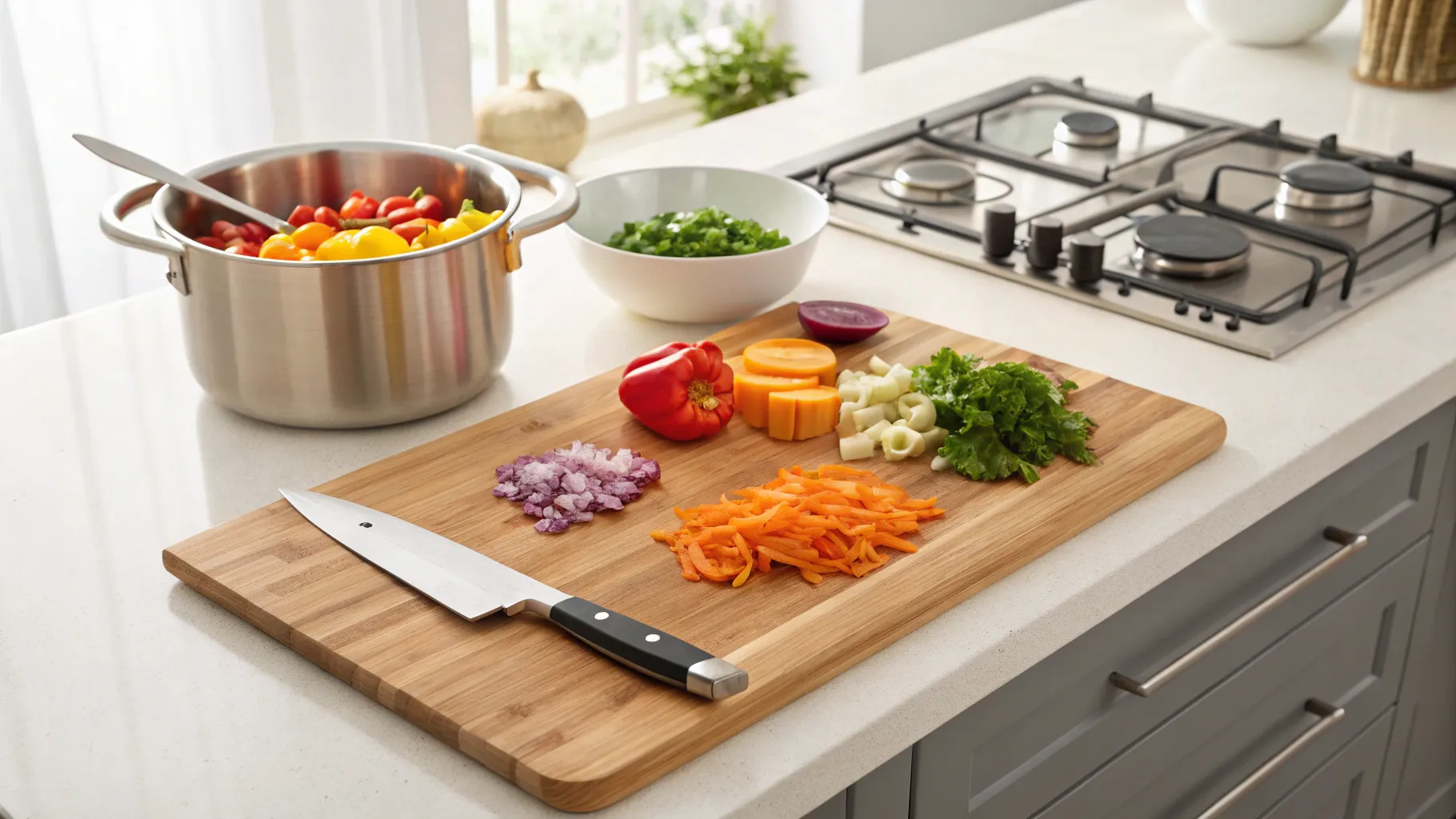
Before you can run, you must learn to walk. The same principle applies in the kitchen. A core part of understanding cooking tips for beginners is mastering a few key techniques that form the bedrock of almost every recipe. One of the most critical concepts is 'mise en place,' a French term meaning 'everything in its place.' This practice involves preparing and organizing all your ingredients before you even turn on the stove. It prevents frantic searching for an ingredient mid-recipe and ensures a smooth, stress-free cooking process. Another fundamental is heat management. Knowing the difference between a simmer, a boil, and a sear, and understanding how your stove works, is crucial for achieving the right texture and flavor. Finally, learning to season properly is an art. Don't just add salt at the end; season in layers throughout the cooking process to build depth of flavor. These are the kind of easy cooking tips for new cooks that make a massive difference.
Essential Kitchen Tools for Every New Cook
You don't need a kitchen full of expensive gadgets to get started. A few high-quality essentials will cover most of your needs. This part of our beginner cooking guide focuses on the must-have tools that will make your time in the kitchen more efficient and enjoyable.
- A Sharp Chef's Knife: A good 8-inch chef's knife is the most important tool you'll own. A sharp knife is safer than a dull one because it requires less pressure to cut, reducing the risk of slipping. Invest in a decent one; it's a cornerstone for anyone learning how to start cooking at home.
- A Large Cutting Board: A stable cutting board, preferably wood or plastic, provides a safe surface for all your chopping needs. Ensure it's large enough to hold your ingredients without them spilling over.
- A Non-Stick Skillet and a Saucepan: A 10- or 12-inch non-stick skillet is incredibly versatile and forgiving, making it perfect for eggs, pancakes, and searing proteins. A 2- or 3-quart saucepan is essential for making sauces, boiling pasta, and cooking grains. These are fundamental items in any informative guide to basic cooking techniques for beginners.
- Measuring Cups and Spoons: Baking is a science, but even in cooking, accuracy is important when you're starting out. A set of measuring cups and spoons ensures you're following recipes correctly until you're comfortable enough to eyeball measurements.
Navigating Your First Recipes: A Step-by-Step Approach
Choosing your first recipes wisely is key to building confidence. Look for recipes with fewer than 10 ingredients and clear, concise instructions. Before you begin, read the entire recipe from start to finish at least twice. This helps you understand the flow and prevents surprises. This is a critical step in understanding cooking tips for beginners. As you read, visualize each step. Does it make sense? Do you have all the equipment? Once you've done your 'mise en place,' follow the instructions precisely. Don't be tempted to improvise until you have a better feel for the ingredients and techniques. This disciplined approach is one of the most valuable and easy cooking tips for new cooks, as it builds a solid foundation of success and minimizes frustration.
Common Mistakes to Avoid When You Start Cooking
Every new cook makes mistakes, and that's part of the learning process. However, being aware of common pitfalls can save you from a lot of grief. A major error is overcrowding the pan. When you put too much food in a pan at once, it steams instead of searing, resulting in soggy, grey food. Cook in batches if necessary to ensure everything gets beautifully browned. Another mistake is not preheating your pan or oven properly. A hot pan is essential for a good sear, and an oven at the correct temperature ensures even cooking. Finally, don't be afraid to taste as you go! Seasoning is not a one-time event. Taste your food at different stages and adjust salt, acid, and spices as needed. This simple habit will elevate your dishes from bland to brilliant and is a key takeaway from any good beginner cooking guide.
Frequently Asked Questions
What are the most crucial cooking tips for beginners?
The most important tips are to read the entire recipe before you start, prepare all your ingredients beforehand (mise en place), use a sharp knife for safety and efficiency, and don't overcrowd your pan. Mastering these basics provides a solid foundation for anyone learning how to start cooking at home.
How can this beginner cooking guide help me improve faster?
This beginner cooking guide is designed for progressive learning. To improve faster, start with simple recipes and practice consistently. Don't be afraid of failure; see every mistake as a learning opportunity. Focus on mastering one technique at a time, like proper dicing or pan-searing, before moving on to more complex dishes.
What are some easy cooking tips for new cooks on a budget?
Cooking at home is already a great way to save money. To stretch your budget further, plan your meals for the week, cook with seasonal and local ingredients, learn to use leftovers creatively, and build a pantry of versatile staples like rice, beans, pasta, and spices. These are practical and easy cooking tips for new cooks.
References
- Foundational Texts from the Culinary Institute of America
- Peer-reviewed Studies in Food Science and Nutrition
- Guidance from Professional Chefs and Culinary Educators
- Major Food Publications and Recipe Archives