Computer Basics for Seniors: A Simple Guide to Getting Started
Facts:
- Digital literacy among seniors is rapidly increasing.
- A growing trend for computer learning older adults is online courses.
Embarking on Your Digital Journey: A Friendly Introduction
Stepping into the world of computers can feel daunting, but it's an incredibly rewarding journey that opens up new ways to connect with family, explore hobbies, and manage daily tasks. This guide is designed specifically to cover the computer basics for seniors, breaking down complex topics into simple, easy-to-understand steps. Whether you're turning on a computer for the very first time or looking to build on some initial knowledge, understanding these fundamentals is the key. We will explore everything from the physical parts of a computer to navigating the internet safely, ensuring you gain the confidence you need. This introduction to computer learning older adults focuses on practical skills you can use immediately.
Getting to Know Your Device: Hardware and Software Essentials
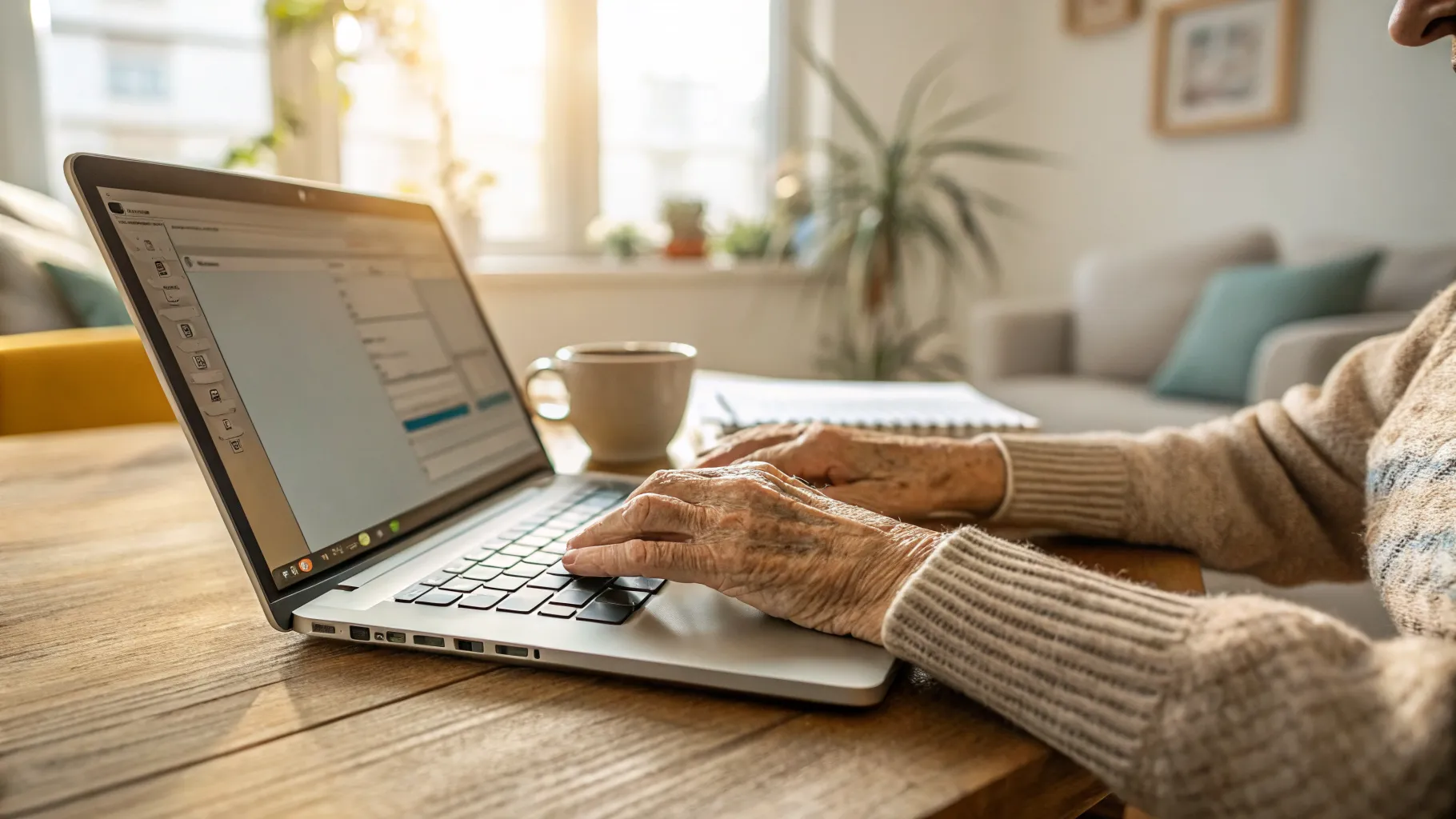
Before you can surf the web or write an email, it's important to understand the tools you're working with. A computer system is made of two main parts: hardware (the physical components you can touch) and software (the programs and applications that run on the hardware). The main hardware pieces are the monitor (screen), the keyboard (for typing), the mouse (for navigating), and the computer itself (which could be a tower or built into the laptop). Learning to use the mouse to point, click, and scroll is one of the most fundamental basic computer skills seniors should master first. Software includes the operating system, like Windows or macOS, which is the main program that manages everything. This foundational knowledge is a core part of any good intro computer seniors program.
Mastering the Mouse and Keyboard
The mouse and keyboard are your primary tools for interacting with the computer. The mouse typically has two buttons and a scroll wheel. The left button is used for selecting items, opening programs, and other primary actions. The right button often opens a menu with more options. The scroll wheel lets you move up and down pages easily. The keyboard is for typing text. Getting comfortable with the layout, including the location of the letters, numbers, spacebar, and Enter key, is crucial. Many computer classes seniors attend begin with typing exercises to build speed and accuracy. Don't worry about being fast at first; the goal is to become familiar and comfortable. Practice is key to developing the basic computer skills seniors need for everyday tasks.
Navigating the Internet Safely and Effectively
The internet is a vast resource for information, entertainment, and communication. To access it, you use a program called a web browser—common examples include Google Chrome, Microsoft Edge, and Safari. You can visit websites by typing their address into the address bar or by using a search engine like Google to find information. While the internet is wonderful, safety is paramount. It's a critical part of learning computer basics for seniors to be aware of online scams, such as phishing emails that try to steal your personal information. Always think twice before clicking on suspicious links or downloading attachments from unknown senders. A good rule is if an offer seems too good to be true, it probably is. This is a vital lesson in computer learning older adults should prioritize.
Your Guide to Finding Quality Computer Classes for Seniors
While self-learning is possible, many people find structured lessons incredibly helpful. Fortunately, there are many resources available specifically designed for computer learning older adults. Taking a class provides a supportive environment where you can ask questions and learn alongside peers. Here are some of the best places to find computer classes seniors can benefit from:
- Local Libraries: Many public libraries offer free or low-cost introductory computer workshops. These classes often cover the absolute essentials and are a great starting point for any intro computer seniors course.
- Community and Senior Centers: These centers are hubs for local activities and frequently host technology classes tailored to older adults. The pace is often slower and more accommodating to new learners.
- AARP Technology Programs: Organizations like AARP provide a wealth of online tutorials, articles, and even in-person workshops designed to help seniors master technology and learn essential basic computer skills seniors require.
- Online Courses: Websites like Coursera, Udemy, and Skillshare offer countless courses on computer basics. While some require payment, many offer free introductory modules that are perfect for beginners.
Staying Connected: The Power of Email and Social Media
One of the greatest benefits of learning computer skills is the ability to easily stay in touch with loved ones. Email is a fundamental tool for communication. Learning how to compose, send, receive, and reply to emails is a core skill. Social media platforms like Facebook allow you to see updates from family and friends, share photos, and join groups based on your hobbies and interests. While engaging, it's important to be mindful of your privacy settings and what information you share publicly. Mastering these tools is a key goal in many programs covering computer basics for seniors, as they directly combat social isolation and foster connection.
Frequently Asked Questions
Is it too late for me to learn the computer basics for seniors?
Absolutely not! It is never too late to learn a new skill. Thousands of older adults begin their digital journey every day. With resources tailored for computer learning older adults, the process is more accessible than ever. Patience and a willingness to practice are all you need.
What are the most important basic computer skills seniors should learn first?
The most crucial skills to start with are using the mouse and keyboard, turning the computer on and off correctly, opening and closing programs, connecting to the internet, and using a search engine like Google. Mastering these will form a strong foundation for everything else.
Where can I find free computer classes seniors can attend?
Your local public library is often the best place to start looking for free computer classes seniors can join. Additionally, local senior centers and non-profit organizations frequently offer free workshops. Check their websites or give them a call for a schedule.
References
- Pew Research Center - Technology Adoption by Older Adults
- AARP Technology Education and Resources
- National Institute on Aging - Computers and Internet for Seniors
- Goodwill Community Foundation - GCFLearnFree.org