Compression Socks for Seniors: The Ultimate Guide to Comfort and Circulation
Facts:
- Compression therapy as a concept dates back to ancient Rome.
- A rising trend is the availability of stylish, non-medical designs for compression socks for seniors.
Why Graduated Compression is a Game-Changer for Senior Leg Health
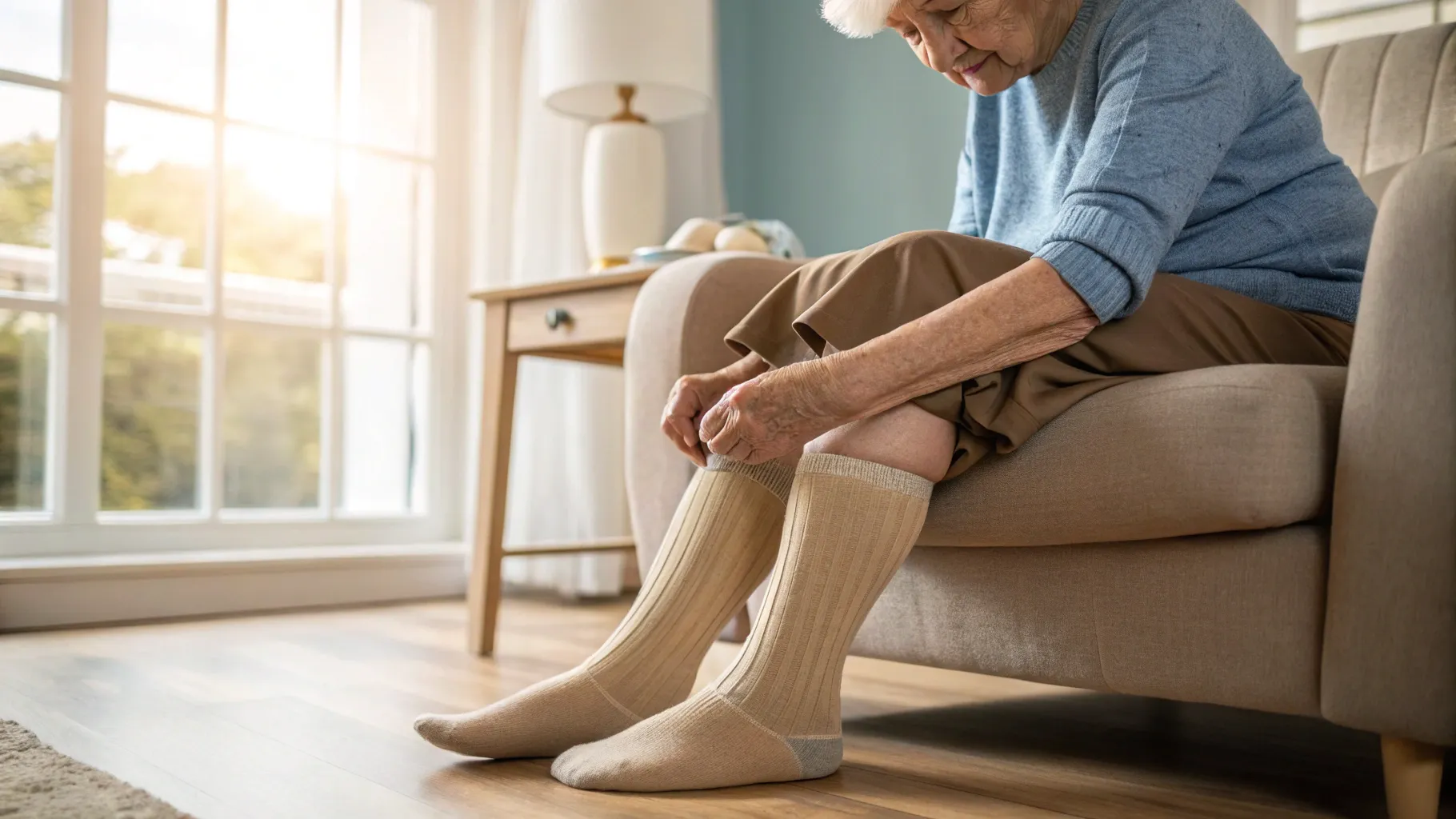
As we age, our circulatory system can become less efficient, leading to a host of uncomfortable and sometimes serious issues in the lower legs. This is where compression socks for seniors become an invaluable tool for daily comfort and long-term health. These aren't just tight socks; they are medically designed garments that apply gentle, graduated pressure to your legs and ankles. This pressure helps your veins and leg muscles move blood more effectively, significantly boosting compression socks circulation benefits. By preventing blood from pooling in the legs, they address the root cause of many common age-related complaints, from simple fatigue to more persistent swelling and aches, making them a cornerstone of proactive senior care.
The Core Benefits of Compression Socks for Seniors
Understanding the full range of advantages is key to appreciating why so many healthcare professionals recommend them. The benefits of compression socks extend far beyond simple comfort. They play a crucial role in preventing serious medical conditions and enhancing overall quality of life. For active seniors, this means more energy and less pain during walks or activities. For those who are more sedentary, it means reducing the risks associated with prolonged sitting, such as deep vein thrombosis (DVT). Let's explore the primary benefits in detail.
Enhanced Blood Circulation
The primary function is to improve hemodynamics in the lower limbs. The graduated compression, which is tightest at the ankle and gradually decreases up the leg, acts like an external muscle pump. This mechanism supports the venous system in returning deoxygenated blood back to the heart, which is a critical aspect of healthy compression socks circulation.
Significant Reduction in Leg Swelling
One of the most immediate and noticeable benefits is their effectiveness against edema. When circulation is poor, fluid can leak from blood vessels and accumulate in the surrounding tissues, causing swelling. By applying steady pressure, compression socks leg swelling is reduced because the socks help push this excess fluid back into the vascular system to be naturally flushed out.
Prevention of Venous Issues
Long-term poor circulation can lead to the development of varicose and spider veins. These occur when veins become enlarged and overfilled with blood. By supporting the vein walls and improving blood flow, compression socks for seniors can help prevent the formation of new varicose veins and manage the symptoms of existing ones.
Tackling a Common Problem: Compression Socks for Leg Swelling
Edema, or swelling, is a frequent complaint among older adults and can be caused by a variety of factors, from medication side effects to chronic venous insufficiency. Using compression socks for leg swelling is a non-invasive and highly effective management strategy. The pressure exerted by the sock counteracts the force of gravity, making it more difficult for blood and fluid to pool in the lower extremities. This not only reduces visible swelling but also alleviates the associated feelings of tightness, heaviness, and pain. Regular use can transform daily comfort, allowing for greater mobility and less discomfort throughout the day.
How to Choose the Best Compression Socks for Seniors
Selecting the right pair is crucial for achieving the desired results. It's not a one-size-fits-all solution. Consulting with a doctor is always the first step to determine the appropriate compression level. Here are the key factors to consider when looking for the best compression socks seniors can use:
- Compression Level (mmHg): This is the most critical factor. Compression is measured in millimeters of mercury (mmHg). Mild compression (8-15 mmHg) is for general fatigue, while moderate (15-20 mmHg) is often recommended for travel and minor swelling. Higher levels (20-30 mmHg and above) are typically for medical conditions and require a prescription.
- Proper Sizing and Fit: A sock that is too tight can restrict circulation, and one that is too loose will be ineffective. Accurate measurements of your ankle and calf circumference are necessary to find the perfect fit. Never guess your size.
- Material and Breathability: Look for moisture-wicking and breathable fabrics like nylon, spandex, or merino wool blends. These materials prevent skin irritation and ensure comfort for all-day wear, which is essential for consistent use.
- Style and Ease of Use: From knee-high to thigh-high options, the style depends on your needs. For seniors who may have difficulty with dexterity, options with zippers or wider cuffs can make the socks much easier to put on and take off.
Comparing Materials: What's Right for You?
The fabric of your compression socks directly impacts comfort and effectiveness. A synthetic blend of Nylon and Lycra (Spandex) is the most common, offering excellent elasticity, durability, and a snug fit, making them great for consistent medical-grade pressure. For those with sensitive skin, a cotton blend might be more comfortable, though it may not offer the same level of moisture-wicking performance. For ultimate comfort and temperature regulation, Merino wool is an excellent premium choice. It's naturally antimicrobial, breathable, and keeps feet comfortable in both warm and cool conditions, making it one of the best compression socks seniors can invest in for year-round wear.
Frequently Asked Questions
How often should I wear compression socks for seniors?
For most conditions, it's recommended to put them on in the morning and wear them throughout the day, taking them off before bed. Consistent daily use yields the best results for managing swelling and improving circulation.
Can I wear compression socks while sleeping?
Generally, it is not recommended to wear compression socks to bed unless specifically instructed by your doctor. When you are lying down, your circulatory system doesn't have to fight against gravity, so the extra pressure is usually unnecessary.
What are the main benefits of compression socks besides circulation?
Beyond improving blood flow, they reduce leg fatigue and aching, can lower the risk of blood clots (DVT), especially during travel, and help manage symptoms of orthostatic hypotension (dizziness upon standing).
How do I know I have the right fit for my compression socks leg swelling?
The socks should feel snug but not painfully tight. There should be no pinching, bunching, or rolling down. If you experience numbness, tingling, or discoloration, the socks are likely too tight and you should remove them immediately.
References
- Journal of Vascular Nursing
- National Institute on Aging - Leg Health in Seniors
- American Venous Forum - Guidelines for Compression Therapy
- Podiatry Management and Senior Care