Compression Socks for Seniors: The Ultimate Guide to Enhancing Comfort and Circulation
Facts:
- Graduated compression is the key mechanism for effectiveness.
- The demand for compression socks for seniors is rising significantly with the aging global population.
Why Are Compression Socks a Game-Changer for Senior Leg Health?
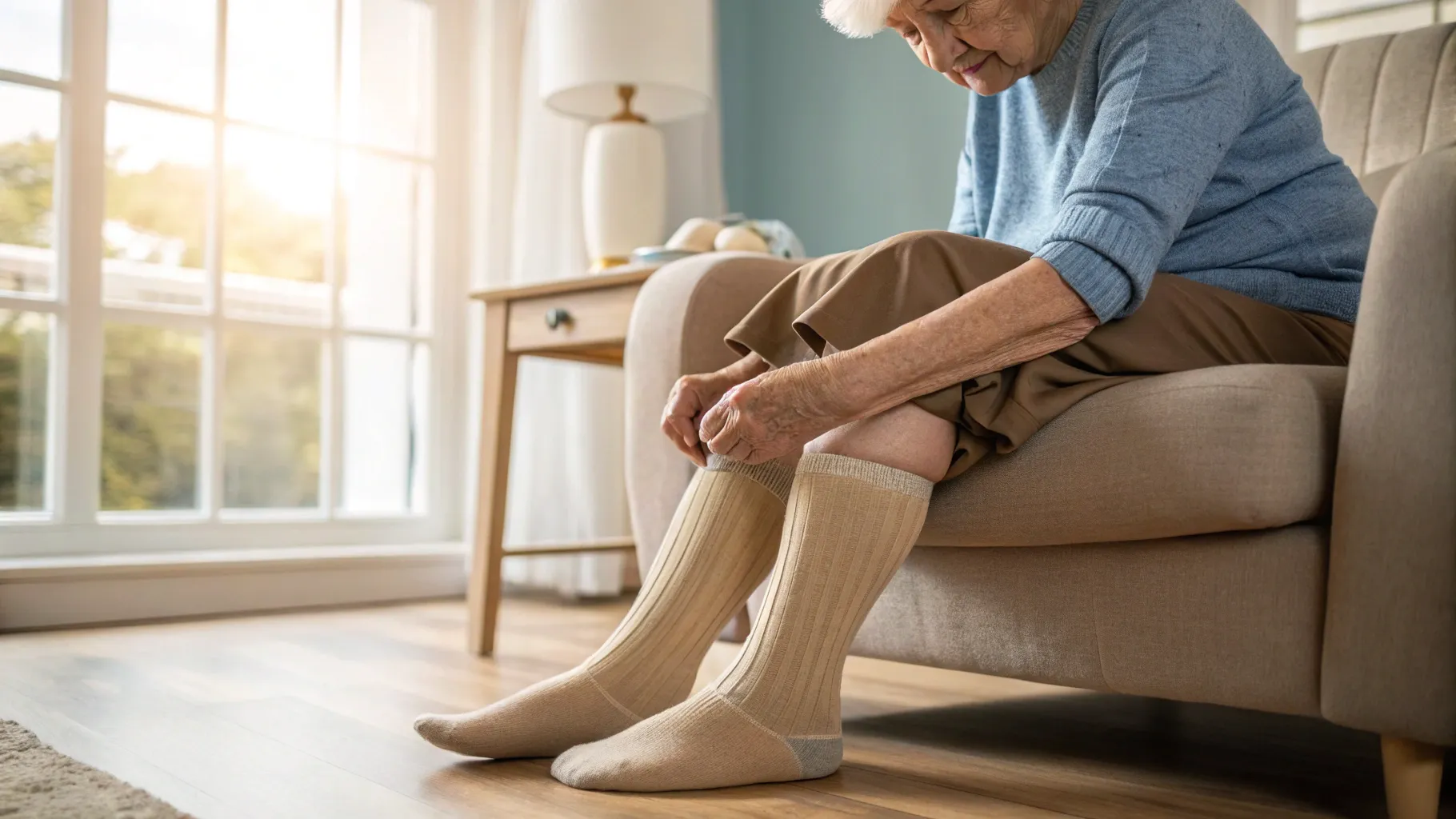
As we age, our bodies undergo numerous changes, and the circulatory system is often one of the first to show signs of slowing down. This can lead to uncomfortable and sometimes debilitating conditions like leg swelling, varicose veins, and a persistent feeling of heaviness or fatigue in the lower limbs. For many, finding a simple, non-invasive solution is a top priority. This is where compression socks for seniors come in, offering a practical and effective way to manage these symptoms, enhance comfort, and significantly improve quality of life. These specialized garments are designed to do more than just cover the feet; they are a therapeutic tool that actively supports vascular health.
How Do Compression Socks Boost Circulation?
The science behind compression socks circulation support is based on a principle called graduated compression. Unlike regular socks, these are engineered to apply gentle, controlled pressure to your legs and ankles. The pressure is tightest at the ankle and gradually decreases as it moves up the leg. This gradient helps fight the effects of gravity, encouraging blood to flow upward from the lower extremities back toward the heart. This improved venous return prevents blood from pooling in the legs, which is a primary cause of swelling, aching, and the formation of varicose veins. By assisting the circulatory system, these socks ensure that oxygen-rich blood is efficiently delivered throughout the body, reducing fatigue and promoting overall leg health. The consistent support provided by the benefits of compression socks can make a noticeable difference in daily mobility and comfort.
The Key Benefits of Compression Socks for Seniors
The advantages of incorporating compression wear into a daily routine are numerous and impactful for older adults. They address several common age-related issues, providing both relief and preventative care. The primary benefits of compression socks extend beyond simple comfort, playing a vital role in maintaining vascular health and mobility. Many users find that what starts as a solution for a specific problem, like compression socks leg swelling, becomes an indispensable part of their daily wellness regimen.
Significant Reduction in Leg Swelling (Edema)
Edema, or swelling caused by excess fluid trapped in the body's tissues, is a frequent complaint among seniors. Using compression socks leg swelling is one of the most effective management strategies. The external pressure applied by the socks helps the lymphatic system drain excess fluid from the legs, leading to a visible reduction in puffiness and a feeling of lightness. This is particularly beneficial for individuals who sit or stand for long periods.
Alleviating Aches, Pains, and Fatigue
Poor circulation often leads to tired, aching, and heavy-feeling legs. By improving blood flow, compression socks for seniors help deliver more oxygen to the muscles and remove metabolic waste products more efficiently. This reduces muscle fatigue and soreness, allowing for greater comfort throughout the day and potentially increasing stamina for daily activities like walking or gardening.
Preventing Serious Vascular Conditions
Beyond symptom relief, compression socks are a crucial tool for prevention. They can help slow the progression of varicose veins by supporting the vein walls and valves. Furthermore, they are highly recommended for preventing Deep Vein Thrombosis (DVT), a serious condition where blood clots form in deep veins, especially during long periods of inactivity like travel or post-surgery recovery. Enhancing compression socks circulation is a proactive step towards long-term vascular health.
How to Choose the Best Compression Socks for Seniors
Selecting the right pair is crucial to experience the full benefits. Not all compression socks are created equal, and the right choice depends on individual needs, medical advice, and comfort preferences. Finding the best compression socks seniors can use involves considering several key factors:
- Compression Level (mmHg): Compression is measured in millimeters of mercury (mmHg). Mild support (8-15 mmHg) is great for general fatigue, while moderate (15-20 mmHg) is often recommended for travel and minor swelling. Higher levels (20-30 mmHg and above) are typically for medical use and should be worn based on a doctor's recommendation.
- Material and Breathability: Look for socks made from soft, breathable, and moisture-wicking materials like merino wool, nylon blends, or microfiber. Comfort is key, as you'll be wearing them for extended periods.
- Proper Sizing: This is the most critical factor. Ill-fitting socks can be ineffective or even harmful. Measure your ankle and calf circumference (and thigh if applicable) according to the manufacturer's chart to ensure you get the correct size for optimal pressure.
- Style and Ease of Use: Options range from knee-high and thigh-high to full pantyhose. Knee-high socks are the most common and easiest to manage. Some designs feature padded soles for extra comfort or zippers to make them easier to put on and take off.
When to Consult a Doctor
While over-the-counter compression socks are safe for most people, it's essential to consult a healthcare professional before using them, especially if you have certain medical conditions. Individuals with peripheral artery disease (PAD), congestive heart failure, skin infections, or severe neuropathy should seek medical advice. A doctor can recommend the appropriate compression level and ensure that using compression socks for seniors is a safe and beneficial choice for your specific health profile, particularly if you need to manage chronic issues like compression socks leg swelling.
Frequently Asked Questions
How long should seniors wear compression socks each day?
For most individuals, it is recommended to put on compression socks in the morning when swelling is at its lowest and wear them throughout the day until bedtime. They should generally be removed before sleeping unless specifically advised by a doctor for a medical condition.
What are the signs of ill-fitting compression socks?
Signs that your compression socks are not fitting correctly include pain, numbness, tingling, or skin discoloration on your toes. The band at the top should not dig into your skin or roll down. If you experience any of these, you may need to re-measure and select a different size.
Can wearing compression socks be difficult for seniors?
Yes, the tightness can make them challenging to put on. To make it easier, you can use rubber gloves for a better grip, apply a bit of cornstarch powder to your legs, or use a special device called a sock donner. Choosing socks with zippers can also be a great help for those with limited strength or mobility.
References
- Journal of Vascular Nursing studies on graduated compression therapy.
- National Institute on Aging guidelines for senior leg health and circulation.
- Clinical research on non-invasive management of edema in the elderly.
- American Heart Association recommendations on preventing Deep Vein Thrombosis.