Compression Socks for Seniors: A Guide to Enhancing Comfort and Circulation
Facts:
- Graduated compression can improve blood flow by up to 40%.
- The demand for compression wear among seniors is growing steadily.
Why Graduated Compression is a Game-Changer for Senior Leg Health
As we age, our circulatory system can become less efficient, often leading to discomfort, swelling, and an increased risk of vascular issues in the lower legs. For many, this manifests as tired, achy limbs and visible swelling, particularly after periods of sitting or standing. This is where compression socks for seniors become an invaluable tool for daily comfort and long-term health. By applying gentle, graduated pressure, these specialized garments assist your veins in returning blood to the heart, significantly improving compression socks circulation and alleviating common symptoms. They are not just ordinary socks; they are a therapeutic garment designed to support vascular health and enhance quality of life.
The Core Benefits of Compression Socks for Seniors
The primary reason healthcare providers recommend these garments lies in the extensive benefits of compression socks. The most significant advantage is the enhancement of circulation. The graduated pressure, which is tightest at the ankle and decreases up the leg, helps fight the effects of gravity and pushes deoxygenated blood back towards the heart more efficiently. This improved blood flow directly addresses issues like chronic venous insufficiency. Another key benefit is the reduction of swelling, also known as edema. For seniors who experience fluid buildup in their feet, ankles, and calves, using compression socks leg swelling can be dramatically reduced, leading to greater comfort and mobility. Furthermore, they can help prevent the formation of dangerous blood clots, such as deep vein thrombosis (DVT), especially for individuals with limited mobility or those who are post-surgery. Many users also report a significant decrease in leg fatigue and achiness, allowing them to stay more active throughout the day.
How to Choose the Best Compression Socks for Seniors
Selecting the right pair is crucial to achieving the desired therapeutic effects. The most important factor is the compression level, measured in millimeters of mercury (mmHg). Mild compression (8-15 mmHg) is great for general tiredness, while moderate (15-20 mmHg) is often recommended for preventing swelling during travel or for minor varicose veins. Higher levels (20-30 mmHg and above) are typically for more significant medical issues and should be used under a doctor's guidance. When searching for the best compression socks seniors can use, material and fit are equally important. Look for breathable, moisture-wicking fabrics like merino wool, nylon, or spandex blends to ensure comfort. A proper fit is non-negotiable; socks that are too tight can restrict circulation, while those that are too loose will be ineffective. Always measure your ankle and calf circumference, and consult the manufacturer's sizing chart before purchasing to find the perfect match for your needs.
Effectively Managing Leg Swelling and Discomfort
For seniors, managing persistent leg swelling is often a top priority. The consistent use of compression socks leg swelling becomes a cornerstone of an effective management plan. These socks work by applying external pressure to the tissues and veins, preventing excess fluid from leaking out of the capillaries and accumulating in the leg tissues. This not only reduces visible swelling but also alleviates the feeling of tightness, heaviness, and pain associated with edema. For best results, it's recommended to put on the socks first thing in the morning, before gravity has had a chance to cause significant fluid buildup, and wear them throughout the day. Combining their use with other healthy habits, such as elevating the legs when resting and engaging in gentle exercise like walking, can further enhance compression socks circulation and provide comprehensive relief from discomfort.
Practical Tips for Daily Use and Care
To get the most out of your compression socks for seniors, incorporating them into your daily routine and caring for them properly is key. Here are some actionable tips:
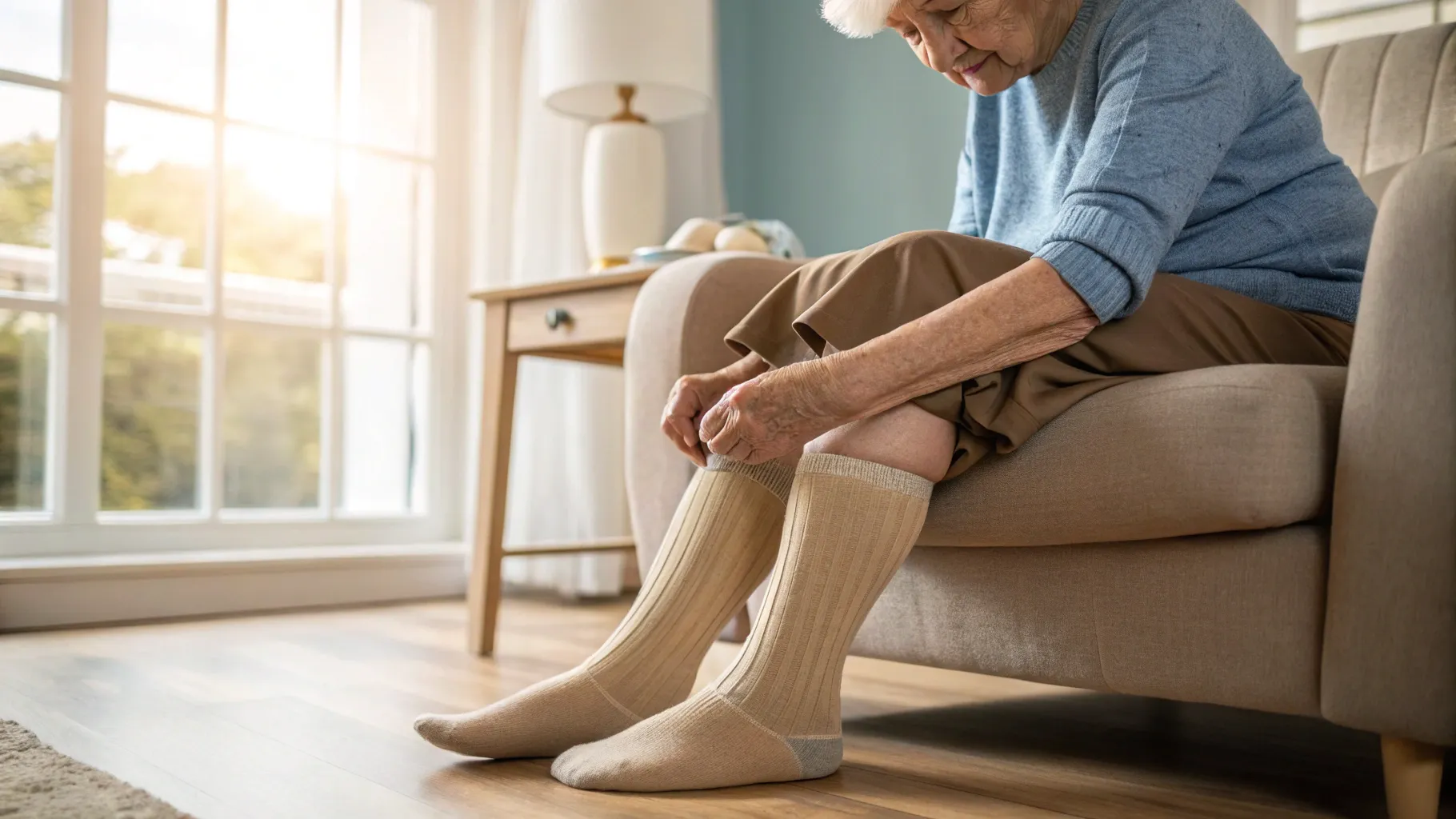
- Proper Application: Putting on compression socks can be challenging. To make it easier, reach inside the sock, grab the heel, and turn the sock inside out up to the heel. Slip your foot in as far as the heel, then gradually unroll the rest of the sock up your leg, smoothing out any wrinkles.
- Consistent Wear: For chronic issues like swelling or poor circulation, wear your socks every day. Put them on when you wake up and take them off before you go to bed unless otherwise directed by your doctor.
- Proper Washing: To maintain their elasticity, hand wash your socks in cool or lukewarm water with a mild detergent. Avoid bleach and fabric softeners. Gently squeeze out excess water—do not wring them out—and lay them flat or hang them to air dry.
- Regular Replacement: Compression socks lose their elasticity over time. It's generally recommended to replace them every 3 to 6 months to ensure they continue to provide the correct level of therapeutic pressure.
Frequently Asked Questions
What are the main benefits of compression socks for seniors?
The primary benefits of compression socks include improved blood circulation, reduction of swelling (edema) in the legs and ankles, prevention of blood clots like DVT, and relief from tired, achy legs. They provide crucial support for vascular health in aging adults.
How do I find the best compression socks for seniors?
The best compression socks seniors can use depends on their specific needs. Key factors to consider are the correct compression level (mmHg), accurate sizing based on leg measurements, comfortable and breathable materials, and the style of sock (knee-high, thigh-high). Consulting a doctor can help determine the ideal compression level.
How do compression socks help with leg swelling?
When using compression socks leg swelling is reduced because the graduated pressure helps the lymphatic and venous systems move fluid out of the leg tissues and back toward the heart. This prevents fluid from pooling in the lower extremities.
Can I wear compression socks to bed?
Generally, it is not recommended to wear graduated compression socks to bed. The design is intended to work against gravity while you are upright. Unless specifically instructed by a healthcare professional for a particular condition, it's best to remove them before sleeping.
References
- Journal of Vascular Nursing
- National Institute on Aging - Leg Health Studies
- American Venous Forum Guidelines
- Circulation Research and Practice Journal