Compression Socks for Seniors: Your Guide to Enhancing Comfort and Circulation
Facts:
- Graduated compression applies pressure most at the ankle.
- A rising trend for active seniors to improve leg recovery.
Why Graduated Compression is a Game-Changer for Senior Leg Health
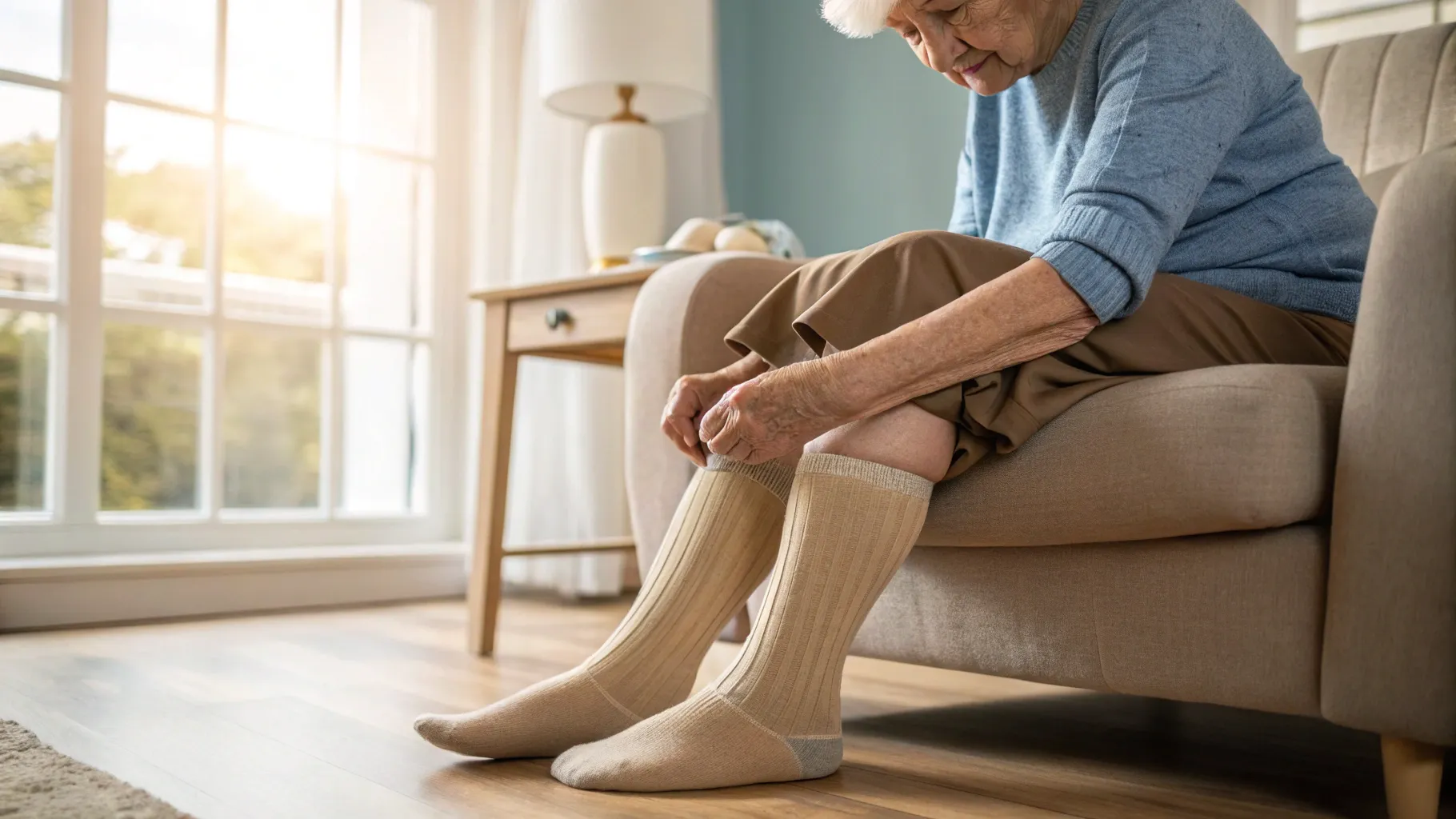
As we age, our bodies undergo numerous changes, and the circulatory system is no exception. Many older adults experience discomforts like tired, aching legs, ankle swelling, and varicose veins, often stemming from reduced blood flow. Fortunately, a simple yet highly effective solution exists: compression socks for seniors. These specialized garments are designed to apply gentle pressure to your legs and ankles, promoting better blood flow from the lower extremities back to the heart. Understanding the incredible benefits of compression socks is the first step toward reclaiming comfort and mobility in daily life.
Understanding How Compression Socks Boost Circulation
The magic behind these garments lies in a principle called graduated compression. This means the socks are tightest at the ankle and gradually become less constrictive as they move up the leg. This design effectively counteracts the effects of gravity, gently squeezing the leg tissues and vein walls to help the valves inside your veins function more efficiently. This enhanced mechanical pumping action is crucial for improving compression socks circulation. By preventing blood from pooling in the lower legs, compression socks for seniors not only reduce discomfort but also lower the risk of more serious circulatory issues, making them an essential tool for maintaining leg health.
The Top Benefits of Compression Socks for Leg Wellness
The advantages of incorporating compression wear into a daily routine are vast and well-documented. For seniors, these benefits can translate directly into a higher quality of life, more energy, and greater independence. The primary reason many choose them is for their effectiveness in managing common age-related leg problems.
Reducing Chronic Leg Swelling and Edema
One of the most immediate and noticeable effects is the management of edema. The gentle, consistent pressure from compression socks leg swelling is effectively reduced by preventing excess fluid from accumulating in the tissues of the lower legs. This can make a significant difference in comfort, especially for individuals who spend long periods sitting or standing, allowing for better-fitting shoes and less overall leg heaviness.
Alleviating Aches, Fatigue, and Discomfort
Tired and achy legs are a frequent complaint among older adults. By improving blood flow, compression socks for seniors ensure that oxygen and vital nutrients are delivered more efficiently to the leg muscles while also helping to clear out metabolic waste products like lactic acid faster. This dual action helps reduce feelings of fatigue and soreness, making daily activities like walking or gardening more enjoyable.
Preventing Varicose Veins and DVT
Beyond comfort, there are significant medical benefits of compression socks. They provide external support to vein walls, which can help prevent the formation or worsening of varicose and spider veins. More critically, for seniors who may be less mobile, traveling long distances, or recovering from surgery, compression socks play a vital role in preventing deep vein thrombosis (DVT), a potentially life-threatening condition where blood clots form in the deep veins of the leg.
Choosing the Best Compression Socks for Seniors: A Practical Guide
Selecting the right pair is crucial to experiencing the full range of benefits. With many options available, it can be overwhelming to find the perfect fit. Focusing on a few key factors will help you identify the best compression socks seniors can wear for optimal comfort and effectiveness.
- Measure for a Perfect Fit: Ill-fitting socks can do more harm than good. It is essential to measure the circumference of your ankle and calf (and thigh, for thigh-highs) in the morning before swelling occurs. Use the manufacturer’s sizing chart to find your correct size, as a proper fit ensures the graduated compression works as intended.
- Understand Compression Levels (mmHg): Compression is measured in millimeters of mercury (mmHg). Lower levels (8-15 mmHg or 15-20 mmHg) are great for general wellness and travel. Higher levels (20-30 mmHg and above) are considered medical grade and should be used under a doctor's recommendation to treat specific conditions like significant edema or venous insufficiency.
- Consider the Material: The best compression socks seniors will find are made from breathable, moisture-wicking materials like microfiber, cotton blends, or merino wool. The material should feel comfortable against the skin and be durable enough for daily wear and washing.
- Select a Style and Length: Compression socks come in various lengths, including knee-high, thigh-high, and full pantyhose. Knee-highs are the most common and are often sufficient for addressing issues like compression socks leg swelling that is concentrated in the ankles and calves.
Common Mistakes to Avoid
To maximize the benefits of compression socks, it's important to use them correctly. A common mistake is choosing a size that is too tight, which can constrict blood flow and cause more problems. Another error is wearing the same pair for too long without washing; they should be washed after each use to maintain their elasticity and for hygiene. Finally, avoid bunching or folding the socks down, as this can create a tourniquet effect and interfere with proper compression socks circulation. Always smooth them out evenly on your leg.
Frequently Asked Questions
How long should I wear compression socks for seniors each day?
For most individuals, it's recommended to put them on in the morning and take them off before bed. They are most effective when you are upright and gravity is working against your circulation. Unless specifically advised by a doctor, you should not wear them while sleeping.
Can wearing tight compression socks circulation be harmful?
Yes. Socks that are too tight can cut off circulation rather than improve it. This is why proper measurement and sizing are critical. If you experience numbness, tingling, or discoloration in your toes, remove the socks immediately as they are likely too tight.
What is the best way to wash the best compression socks seniors can buy?
To preserve their elasticity, it's best to hand wash them in cool water with a mild detergent and then air dry them. If you must use a machine, place them in a mesh laundry bag on a gentle cycle and never put them in a hot dryer.
References
- National Institute on Aging - Leg Health and Circulation Guide
- Journal of Vascular Nursing - Studies on Graduated Compression Therapy
- American Vein & Lymphatic Society - Patient Resources