Comprehensive Treatment Options Guide for Spinal Stenosis
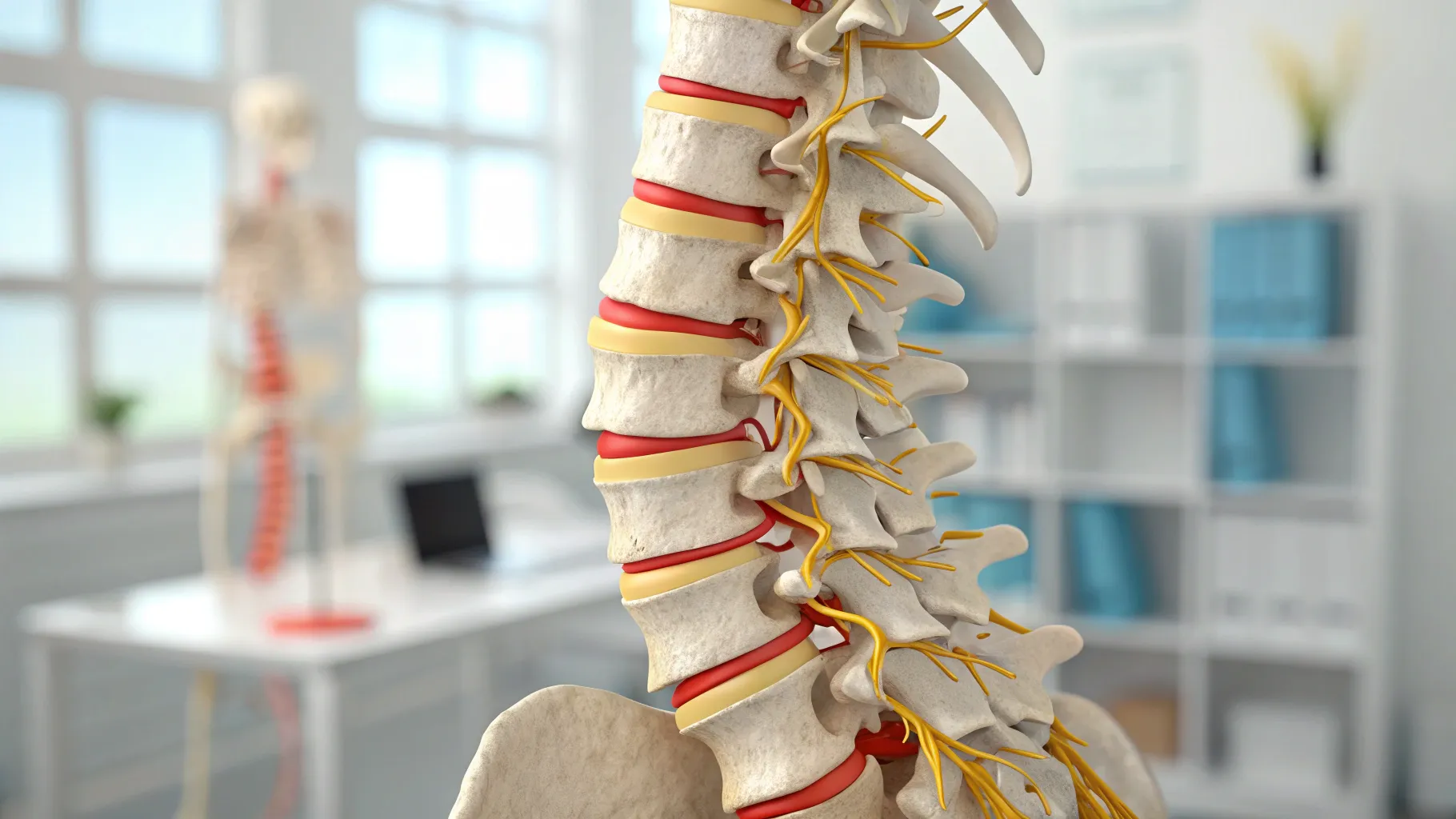
Treatment for Spinal Stenosis: Understanding Your Options
Spinal stenosis is a common condition that affects millions of adults in the United States, particularly those aged 50 and older. Its most striking characteristic is the narrowing of the spinal canal, which can lead to significant pressure on the spinal cord and nerves. This pressure can result in a variety of symptoms such as pain, numbness, and weakness, especially in the lower back and legs. With the growing awareness of spinal stenosis in 2025, patients now have access to a broader range of treatment options, both surgical and non-surgical. If you're seeking to book a spine specialist for stenosis or looking into non-surgical options for spinal stenosis, understanding your choices is vital for effective management of this condition.
What Causes Spinal Stenosis in Older Adults?
The primary cause of spinal stenosis in older adults is the natural aging process. As we age, the spinal discs may lose hydration and elasticity, resulting in a diminished ability to cushion the vertebrae. This age-related degeneration can lead to the collapse of vertebrae, contributing to spinal canal narrowing. Additionally, arthritis plays a significant role; it can cause bone spurs to develop, which intrude into the spinal canal space. Here are some other factors that might contribute:
- Herniated Discs: Disks that bulge or rupture can exert additional pressure on nerves, causing pain and discomfort.
- Congenital Conditions: Some individuals are born with a narrower spinal canal, making them more prone to symptoms of stenosis as they age.
- Injury: Traumatic events, falls, or accidents may trigger damage to the spine that results in narrowing.
- Tumors: Though rare, tumors within the spine can also lead to narrowing and put pressure on the spinal cord.
Current statistics indicate that approximately 8 million Americans suffer from spinal stenosis, a figure that continues to rise as the population ages. Recognizing these causes allows patients to communicate better with their spine specialists, leading to more tailored treatment plans.
Non-Surgical Options for Spinal Stenosis
Maturity and experience in medical practice have shown that many patients benefit from non-surgical treatments that can substantially reduce symptoms and enhance their quality of life. 2025 has seen a marked improvement in the application of various non-invasive therapies. Some effective non-surgical treatments include:
- Physical Therapy: Working with a qualified physical therapist can be incredibly beneficial. Tailored exercise programs focusing on enhancing flexibility, strength, and balance not only alleviate pain but also improve overall mobility. Engaging in these therapies promotes a proactive approach towards management.
- Medication: Over-the-counter remedies like non-steroidal anti-inflammatory drugs (NSAIDs), such as ibuprofen and naproxen, can effectively ease pain and inflammation. For more severe cases, physicians might prescribe stronger anti-inflammatory medications or corticosteroids.
- Injection Therapy: Epidural steroid injections have gained popularity, providing effective pain relief and inflammation reduction for several months. Recent clinical studies support their efficacy, enabling many patients to resume daily activities without interruption.
- Walking Aids: Utilizing devices like canes and walkers can significantly enhance stability and facilitate less painful ambulation. In 2025, ergonomic designs have expanded, making it easier for those with spinal stenosis to find suitable support.
Recent data shows that around 65% of patients employing these non-surgical strategies report considerable relief from their symptoms. Such success opens pathways for many individuals to sustain active, engaged lifestyles without needing surgical intervention.
Surgical Options and Considerations
While non-surgical options are effective for many, there are instances where surgical intervention becomes necessary. It is crucial to weigh the benefits and potential risks when considering surgery. Common surgical procedures for spinal stenosis include:
- Laminotomy: This technique involves the removal of a portion of the lamina—a bony part of the spinal canal—to alleviate pressure on nerves and the spinal cord.
- Laminectomy: For more advanced cases, a laminectomy entails entirely removing the lamina, thus creating more space in the spinal canal.
- Spinal Fusion: This procedure stabilizes the spine by fusing two or more vertebrae together, commonly performed alongside other surgeries to maintain spinal integrity.
Clinical studies indicate that nearly 85% of patients undergoing surgical treatment for spinal stenosis experience significant improvements in their health status. However, potential risks associated with surgery do exist, and in-depth discussions with your spine specialist are vital before making any decisions regarding surgical options.
Maintaining Your Health Post Treatment
Regardless of the treatment path taken, embracing lifestyle changes is fundamental in managing spinal stenosis effectively. Here are some recommended strategies to maintain optimal spine health:
- Weight Management: Keeping a healthy weight is essential for reducing pressure on the spine. Recent studies suggest that even a modest reduction in body weight may lead to substantial improvements in symptoms.
- Regular Exercise: Low-impact activities such as swimming and walking offer excellent benefits for spinal health. Engaging in regular workouts is recognized as a critical component in maintaining mobility and managing symptoms.
- Ergonomic Workstations: Adjusting work environments to promote posture can alleviate unnecessary strain on the spine. Simple changes like desk height or chair adjustments can have positive effects.
- Mindfulness and Stress Relief: Methods such as yoga and tai chi are gaining popularity for their ability to cultivate a mind-body connection. Incorporating these practices can significantly enhance overall wellbeing and manage pain effectively.
Overall, managing spinal stenosis requires a comprehensive approach that marries both medical treatments and lifestyle adjustments. Whether you're considering non-surgical remedies or preparing for surgery, staying informed and proactive plays a crucial role in navigating this condition positively and effectively.