A Comprehensive Guide to Treatment Options for Colitis in 2026
Facts:
- Colitis is a chronic inflammatory condition of the colon.
- Personalized medicine is a significant trend for colitis care discussions.
Navigating Your Path to Wellness: A Deep Dive into Colitis Treatments
Understanding the full range of treatment options for colitis is the first and most crucial step toward regaining control over your health. Colitis, a term encompassing several digestive condition topics, presents unique challenges for each individual. Therefore, a one-size-fits-all approach is rarely effective. This guide provides essential colitis health information, exploring the various pathways to remission and improved well-being. Effective management often involves a multi-faceted strategy, combining medical therapies with lifestyle adjustments, all guided by ongoing colitis care discussions with your healthcare provider. The goal is to reduce inflammation, alleviate discomfort, and prevent long-term complications, empowering you to lead a fuller life despite your diagnosis.
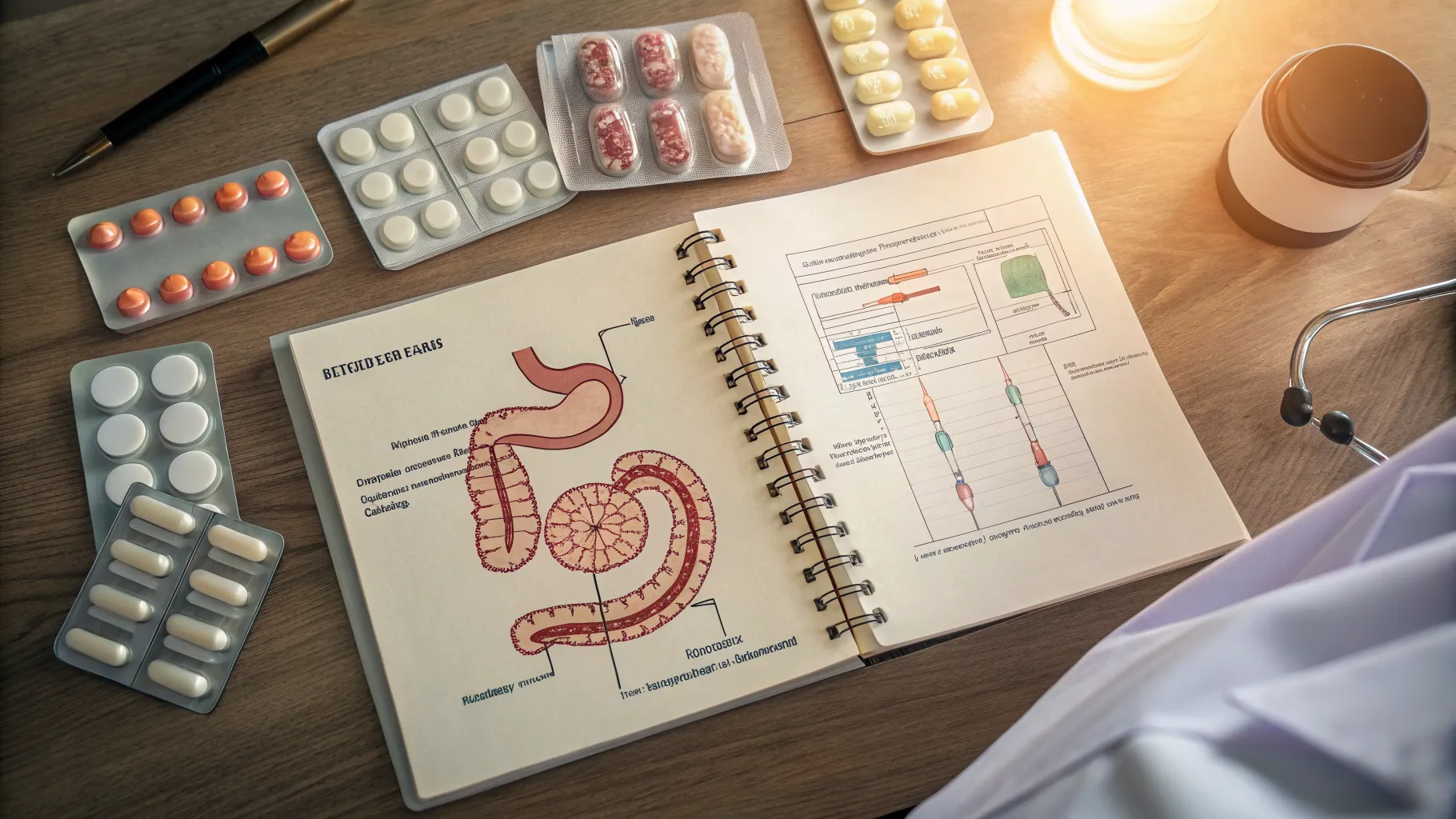
Medication-Based Treatment Options for Colitis
Pharmacological intervention is a cornerstone of managing colitis symptoms. The choice of medication depends on the type and severity of your colitis. These therapies are designed to induce and maintain remission by controlling the underlying inflammation. Ongoing colitis care discussions with your gastroenterologist are vital to monitor effectiveness and manage any potential side effects, ensuring the chosen regimen remains the best fit for your specific needs.
Aminosalicylates (5-ASAs)
Aminosalicylates are often the first line of defense, particularly for mild to moderate ulcerative colitis. Drugs like mesalamine, sulfasalazine, and olsalazine work by reducing inflammation directly in the lining of the colon. They are available in various forms, including oral tablets, enemas, and suppositories, allowing for targeted delivery to the affected area. Consistent use is key to their effectiveness in both treating flare-ups and maintaining remission. These are frequently discussed digestive condition topics in initial consultations.
Corticosteroids
For moderate to severe flare-ups, corticosteroids such as prednisone are powerful anti-inflammatory agents that can provide rapid relief. However, due to the risk of significant side effects like bone density loss and increased infection risk, they are typically used for short-term control and are not a long-term solution for managing colitis symptoms. Your doctor will devise a plan to taper off the dosage once your symptoms are under control.
Immunomodulators
When corticosteroids are not effective or for long-term management, immunomodulators like azathioprine or 6-mercaptopurine (6-MP) may be prescribed. These drugs work by suppressing the immune system's activity to reduce inflammation. They take longer to become effective—often several months—but can be crucial for maintaining long-term remission and reducing the need for steroids. Regular blood monitoring is essential when taking these medications, a key piece of colitis health information for patients.
Biologic Therapies
Biologics represent a more targeted approach within the available treatment options for colitis. These are genetically engineered proteins that target specific inflammatory pathways in the body. Drugs like infliximab, adalimumab, and vedolizumab have revolutionized the treatment of moderate to severe colitis that doesn't respond to other therapies. They are typically administered via infusion or injection and have proven highly effective in inducing and maintaining remission.
Lifestyle and Dietary Approaches for Managing Colitis Symptoms
While medication is critical, lifestyle and dietary modifications play a significant supportive role in managing colitis symptoms. These strategies can help reduce symptom triggers, improve overall well-being, and complement medical treatments. Open colitis care discussions with your healthcare team, including a dietitian, can help you tailor a plan that works for you. Many find that focusing on these areas provides a sense of control over their condition, which is an important aspect of handling digestive condition topics.
Diet is highly individual, but many patients benefit from identifying and avoiding trigger foods during a flare-up. Common culprits can include high-fiber foods, dairy, spicy foods, and caffeine. Keeping a food diary can be an invaluable tool. During remission, reintroducing a varied, nutrient-rich diet is important. Stress management techniques such as mindfulness, yoga, and regular, gentle exercise can also have a profound impact on symptoms by reducing the body's overall inflammatory response. This holistic view is a key piece of modern colitis health information.
Surgical Interventions and Advanced Therapies
In cases where medical management fails to control severe colitis or when complications like dysplasia (precancerous cells) arise, surgery may become a necessary consideration. The most common surgery for ulcerative colitis is a proctocolectomy, the removal of the colon and rectum. This is a significant decision and is a central topic in advanced colitis care discussions. For many, this procedure can be curative and dramatically improve their quality of life. Surgeons can often create an internal pouch (j-pouch) from the small intestine, allowing for relatively normal bowel function post-surgery. Exploring all available treatment options for colitis, including surgery, ensures a comprehensive approach to your long-term health.
Creating a Collaborative Colitis Care Plan
Effectively managing colitis requires a partnership between you and your healthcare team. A proactive approach ensures that your treatment plan is dynamic and responsive to your changing needs. This is the essence of modern patient care regarding chronic digestive condition topics.
- Track Your Symptoms: Keep a detailed log of your symptoms, diet, and stress levels. This data provides invaluable colitis health information for your doctor to see patterns and adjust your treatment plan effectively.
- Prepare for Appointments: Write down questions before your appointments. Being prepared facilitates productive colitis care discussions and ensures all your concerns are addressed.
- Understand Your Medications: Know the names, dosages, and potential side effects of your medications. This empowers you to be an active participant in managing colitis symptoms and identifying any issues early.
- Build a Support System: Connect with family, friends, or support groups. Living with a chronic illness can be challenging, and emotional support is a critical component of your overall well-being.
Frequently Asked Questions
What are the first-line treatment options for colitis?
For mild to moderate colitis, particularly ulcerative colitis, the first-line treatment options for colitis are typically aminosalicylates (5-ASAs). These medications work to reduce inflammation directly in the colon's lining and are effective for both treating active flare-ups and maintaining remission. Your specific prescription will depend on the location and severity of your inflammation.
How important are colitis care discussions with my doctor?
Regular and open colitis care discussions are absolutely critical. Colitis is a dynamic condition that can change over time. These conversations allow your doctor to monitor your progress, adjust medications, address side effects, and discuss new or alternative therapies. Being an active participant in these discussions ensures your treatment plan is always tailored to your specific needs and health goals.
Can diet alone be effective for managing colitis symptoms?
While diet is a vital component of a holistic management plan, it is rarely sufficient on its own for managing colitis symptoms, especially for moderate to severe disease. Diet can help reduce triggers and support overall health, but medical intervention is typically required to control the underlying inflammation. It's a key part of the puzzle but not the entire solution.
References
- Journal of Crohn's and Colitis
- American Gastroenterological Association Clinical Practice Guidelines
- The Crohn's & Colitis Foundation of America Patient Resources
- Digestive Diseases and Sciences Journal