Comprehensive Guide to Spinal Stenosis Treatment Options
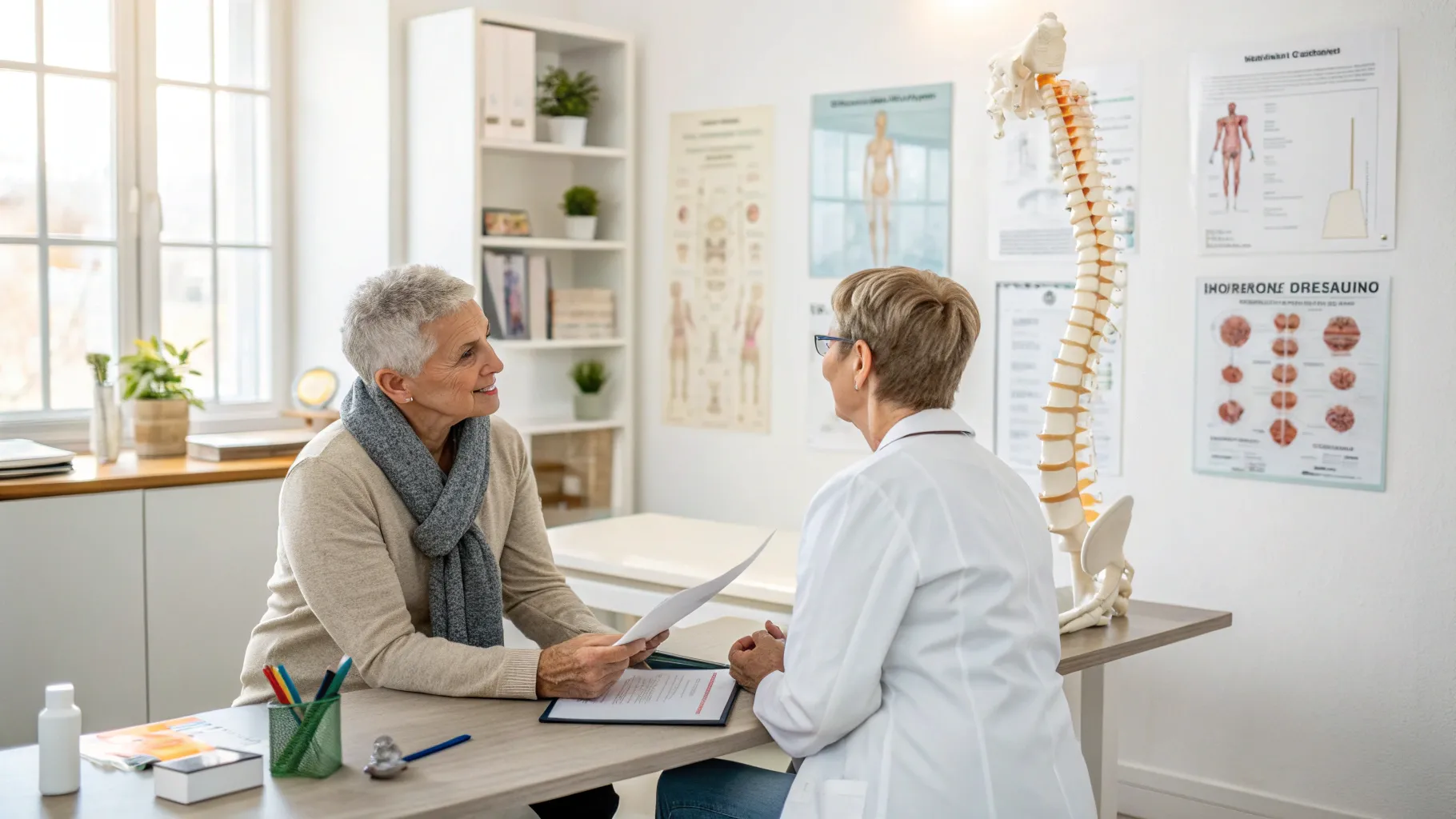
Effective Treatments for Spinal Stenosis
Spinal stenosis, a condition affecting millions globally, particularly older adults, occurs when the spaces within the spine narrow, exerting pressure on the spinal cord and nerves. The primary causes among older individuals often stem from age-related changes, including bone spurs and degenerative disc disease. As we navigate through 2025, many treatment avenues exist to alleviate symptoms and enhance quality of life for those struggling with spinal stenosis.
Treatment Options for Spinal Stenosis
Discovering an effective treatment plan is crucial for managing spinal stenosis symptoms. It’s essential for patients to consult a spine specialist who can tailor options based on individual needs. The treatment landscape is multifaceted, and here's an expansive look at the available options.
Non-Surgical Options for Spinal Stenosis
For many, relief can be achieved without surgical interventions. Non-surgical treatments for spinal stenosis have gained popularity and efficacy, especially for those hesitant to pursue invasive procedures. In 2025, here are prominent non-surgical treatments:
- Physical Therapy: Engaging in a personalized physical therapy program can yield significant benefits. This therapy emphasizes strengthening exercises, flexibility, and posture improvement. Remarkably, recent studies indicate that about 70% of patients participating in regular physical therapy have reported a marked decrease in pain and an enhancement in daily functionality, empowering them to return to the activities they love.
- Medications: Common choices include nonsteroidal anti-inflammatory drugs (NSAIDs) such as ibuprofen, which help mitigate pain and swelling. Furthermore, corticosteroid injections, administered directly into the affected areas, provide longer-lasting relief by diminishing nerve inflammation.
- Chiropractic Care: Many individuals find solace in chiropractic adjustments, which can alleviate discomfort and restore spinal alignment. When coupled with other treatment modalities, patients often experience enhanced outcomes. Regular chiropractic visits have received positive reviews, as they contribute toward managing the intricacies of spinal stenosis.
- Walking Aids: For those facing severe pain or mobility constraints, walking aids like canes or walkers offer vital support. Numerous patients have reported that these aids not only boost stability but also motivate them to maintain their activity levels, which is essential for overall health.
A compelling case study from late 2024 highlighted a 65-year-old woman who utilized a combination of physical therapy and walking aids, which allowed her to regain independence and resume daily activities she had abandoned due to acute pain.
When Surgery Becomes Necessary
While non-surgical treatments can often address many symptoms successfully, some individuals might still find themselves needing surgery. This step may become essential if conservative therapies fail, particularly if mobility is severely hampered or debilitating pain disrupts daily living. Currently, two principal surgical interventions are widely performed:
- Laminectomy: This procedure involves the surgical removal of a portion of the vertebra known as the lamina, effectively relieving pressure from the spinal cord and nerves. Studies show that this can significantly alleviate symptoms for many patients.
- Spinal Fusion: In cases where stability is a concern post-laminectomy, spinal fusion is often carried out. This procedure stabilizes the spine by permanently joining two or more vertebrae, creating a strong, supportive structure.
Data reveals that about 60% of patients experience a substantial improvement in their symptoms post-surgery within a year. Plus, advancements in surgical methods have rendered procedures more minimally invasive, leading to quicker recovery times that enable a swifter return to normal activities.
Emerging Treatments and Technologies
The treatment domain for spinal stenosis is not stagnant; it’s evolving rapidly. Recently, innovations like minimally invasive surgical techniques and regenerative medicine treatments, including stem cell therapy, are making waves. These cutting-edge therapies focus on promoting healing and may significantly shorten recovery durations for patients.
For those contemplating treatment alternatives, staying informed about both conventional and novel approaches is paramount. Participating in informative seminars or discussions with spine specialists who are engaged in ongoing research can provide invaluable insights into the latest treatment strategies.
Patient Stories and Community Support
Sometimes, the most uplifting part of the treatment journey comes from hearing about the real-life experiences of others. Consider the story of John, a 70-year-old retired teacher who initially hesitated to consider surgical options. After thorough discussions with his healthcare team and consultations with a spine specialist, he opted for a rounded treatment strategy consisting of physical therapy and medication. Within a few months, he rediscovered joy in hobbies such as gardening and walking with his grandchildren.
Moreover, support networks for spinal stenosis patients have proven crucial. Many individuals draw strength and inspiration from sharing their journeys and learning from fellow patients. Online forums and local meet-ups allow individuals to exchange tips, discover effective coping mechanisms, and provide emotional support, fostering a sense of community among those facing similar challenges.
In summary, navigating through the treatment of spinal stenosis is a highly individualized journey. With a plethora of non-surgical options available today, coupled with the expertise of spine specialists, patients can greatly enhance their well-being. The journey toward better health is ongoing, and the treatments available continue to generate hope and positive outcomes for many individuals enduring this condition.