A Comprehensive Guide to Using Weed Control Concentrate Effectively
Facts:
- Most concentrates require dilution with water before use.
- A growing trend is eco-friendly weed control products.
Maximizing Lawn Health with the Right Weed Control Concentrate
Achieving a lush, green, and perfectly manicured lawn is a goal for many homeowners, but invasive weeds can quickly undermine these efforts. The key to effective lawn weed management lies in using a powerful and appropriate weed control concentrate. Unlike ready-to-use formulas, concentrates offer a cost-effective and potent solution for tackling large areas or persistent weed problems. These products are designed to be diluted, allowing you to customize the strength for specific applications, whether you're dealing with broadleaf weeds in your turf or stubborn growth in your garden beds. Understanding how to choose and apply these solutions is the first step toward reclaiming your outdoor space from unwanted vegetation.
Understanding Different Types of Weed Control Products
When you browse for a weed treatment concentrate, you'll encounter a variety of formulations, each designed for a specific purpose. The primary distinction is between selective and non-selective herbicides. Selective herbicides are formulated to target specific types of weeds, such as dandelions or clover, without harming the surrounding grass. This makes them ideal for broadcast application across a lawn. In contrast, non-selective weed control products, like those containing glyphosate, will kill any plant they come into contact with. These are best suited for clearing large areas of all vegetation, such as preparing a new garden bed or treating weeds in pavement cracks. Another crucial classification is pre-emergent versus post-emergent. Pre-emergent concentrates prevent weed seeds from germinating, making them a proactive tool for lawn weed management in early spring. Post-emergent formulas are used to kill weeds that have already sprouted and are actively growing. Choosing the right type of weed control concentrate is fundamental to achieving your desired results without causing unintended damage to your lawn or garden.
A Step-by-Step Guide to Applying Weed Treatment Concentrate
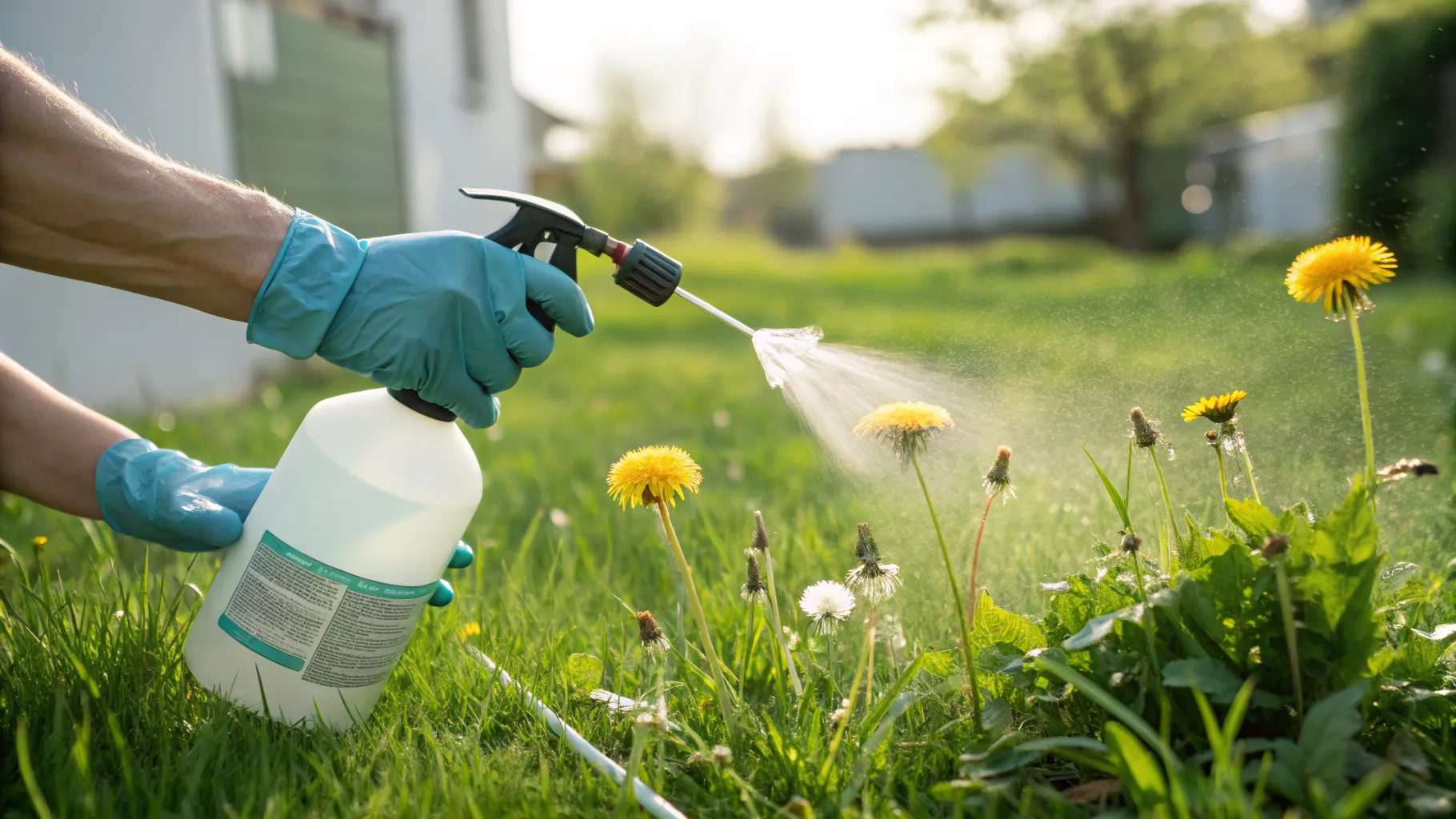
Proper application is critical for the effectiveness and safety of any weed treatment concentrate. Incorrect mixing or application can lead to poor results or damage to desirable plants. For optimal garden weed control, it's essential to follow a precise method. Start by reading the product label carefully, as it contains vital information on dilution rates, safety precautions, and the specific types of weeds it targets. Protect yourself by wearing appropriate personal protective equipment (PPE), including gloves, long sleeves, and eye protection. Use a clean, dedicated sprayer to avoid contamination. Measure the concentrate and water precisely according to the label's instructions—using too much or too little can compromise performance. Apply the mixture evenly across the target area, ensuring thorough coverage of the weed's foliage. It is best to apply on a calm, dry day when no rain is forecast for at least 24 hours to allow the product to be fully absorbed. Following these steps will ensure your lawn weed management strategy is both effective and responsible.
Selecting the Ideal Weed Control Concentrate for Your Needs
With numerous weed control products on the market, choosing the best one can be daunting. Your decision should be based on several factors, including the type of weeds you are targeting, the type of grass in your lawn, and the size of the area you need to treat. For broadleaf weeds like dandelions and plantain in a turfgrass area, a selective broadleaf weed control concentrate is the most suitable choice. If you are battling grassy weeds like crabgrass, you will need a product specifically formulated for that purpose. Always check the product label to ensure it is safe for your specific grass type (e.g., Bermuda, Fescue, Zoysia), as some herbicides can harm certain varieties. For general-purpose clearing of patios, driveways, or fence lines, a non-selective weed treatment concentrate offers a powerful solution. Consider the active ingredients as well; different chemicals target different biological processes in the plants. Making an informed choice is the cornerstone of successful garden weed control.
Common Mistakes to Avoid in Lawn Weed Management
Even with the best weed control products, simple mistakes can hinder your progress. One of the most common errors is applying the herbicide at the wrong time of year. Post-emergent herbicides are most effective when weeds are young and actively growing, typically in the spring or fall. Applying them during the heat of summer or when plants are dormant is less effective. Another mistake is improper dilution; a mixture that is too weak won't kill the weeds, while one that is too strong can burn your lawn. Mowing your lawn immediately before or after application is also a problem. You should wait at least two days before and after applying a weed control concentrate to allow the product to be absorbed through the leaves and translocated throughout the plant. Finally, ignoring the weather forecast can lead to the product being washed away by rain, rendering it useless. Avoiding these common pitfalls will dramatically improve your lawn weed management results.
Frequently Asked Questions
How long does it take for a weed control concentrate to work?
The time it takes for a weed control concentrate to show visible results can vary depending on the active ingredients and the type of weed. Generally, you may start to see wilting or yellowing within 24 to 48 hours, but it can take up to two weeks for the weed to die completely as the product works its way down to the root system.
Is it safe to use weed treatment concentrate around pets and children?
It is crucial to follow the safety instructions on the product label. Most manufacturers recommend keeping pets and children off the treated area until the spray has completely dried. This can take several hours. Some weed control products are formulated to be safer once dry, but always err on the side of caution and check the specific product's guidelines.
Can I use a garden weed control concentrate in my vegetable garden?
Most non-selective and many selective herbicides are not safe for use in or near vegetable gardens, as they can harm your edible plants or be absorbed by them. For garden weed control in vegetable patches, it is best to use products specifically labeled as safe for edibles or to rely on manual methods like hand-pulling and mulching.
References
- University of California Agriculture & Natural Resources - Weed Management
- Purdue University Extension - Turfgrass Weed Control
- The Royal Horticultural Society - Weed Control Advice