Comprehensive Guide to Shoulder Osteoarthritis Treatments
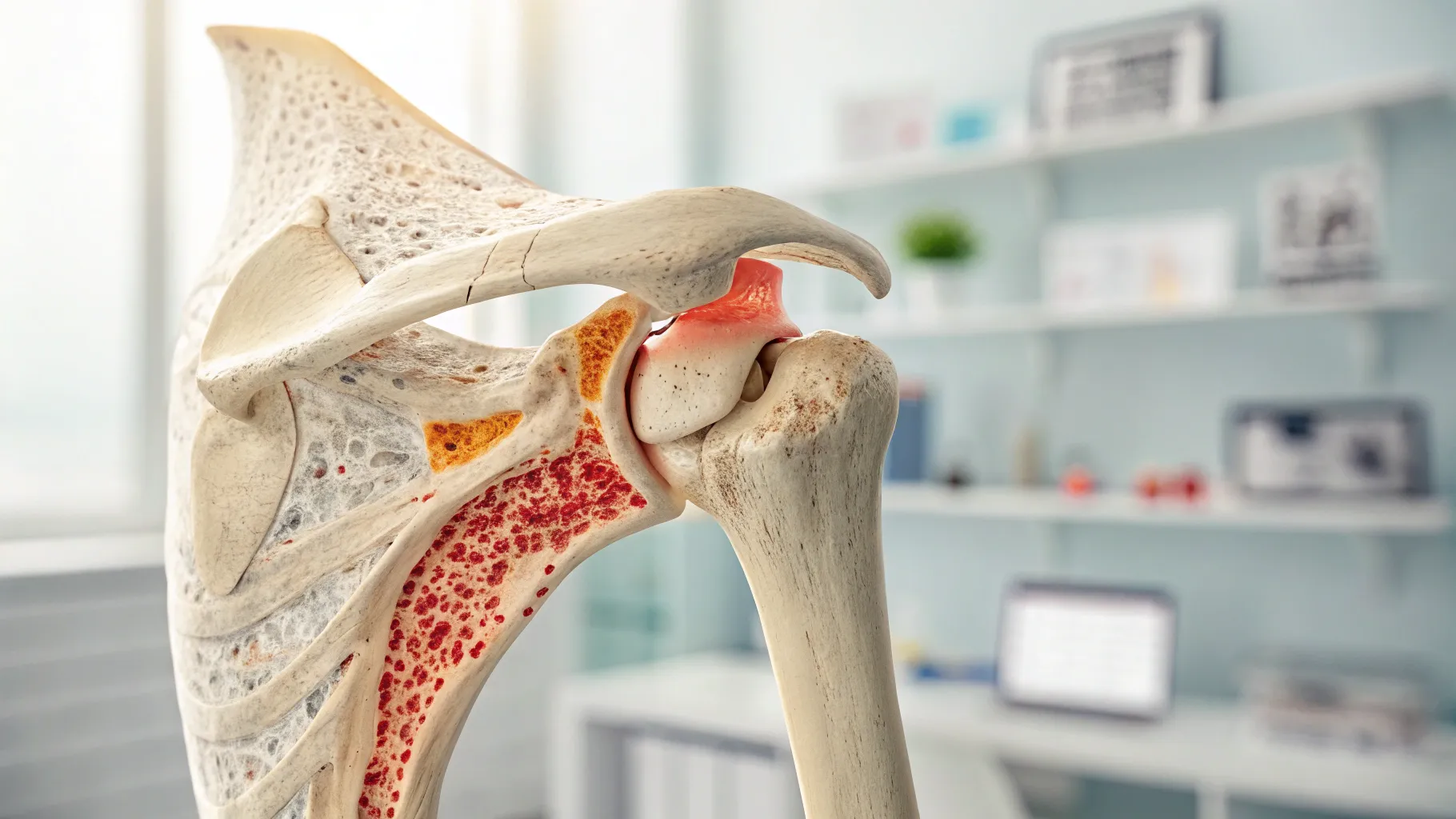
Understanding Osteoarthritis in the Shoulder
Osteoarthritis in the shoulder is a widespread health issue that affects many adults today, particularly those over the age of 50. This degenerative joint disorder is primarily a result of the gradual wear and tear of cartilage in the shoulder joint, leading to pain, stiffness, and a decrease in mobility. Current research suggests that approximately 15% of the American population is grappling with shoulder osteoarthritis as of 2025. Factors contributing to this rise include heightened life expectancy and increased participation in physical activities, which can unfortunately stress the shoulder joints.
Recognizing the early signs of osteoarthritis in the shoulder is essential for effective management. Symptoms often appear subtly at first. Many individuals experience discomfort during routine activities like reaching overhead or lifting objects. Over time, they may notice stiffness, especially after periods of inactivity, and may feel a crunching or grating sensation when moving the shoulder. Understanding these signs allows for timely intervention, which can help alleviate pain and improve overall quality of life.
Treatments for Shoulder Osteoarthritis
When addressing treatments for shoulder osteoarthritis, there are several effective approaches that cater to individual preferences and health needs. Most physicians recommend starting with non-invasive methods:
- Physical Therapy: Working with a licensed physical therapist can provide a tailored exercise regimen aimed at enhancing strength and flexibility, which are crucial for maintaining joint function.
- Medications: Over-the-counter nonsteroidal anti-inflammatory drugs (NSAIDs), such as ibuprofen, are commonly used to help manage pain and swelling associated with shoulder osteoarthritis.
- Anti-inflammatory creams: Topical applications, including diclofenac gel, have gained popularity for their targeted relief of shoulder arthritis pain, offering a convenient alternative to oral medications.
For those searching for affordable shoulder arthritis treatment, lifestyle modifications play a significant role as well. Weight management has emerged as a critical factor—losing just a small amount of weight can significantly lessen the strain on affected joints, including the shoulder. In fact, recent studies indicate that 10% weight loss can lead to substantial improvements in pain levels and functionality in osteoarthritis patients.
Emerging Treatment Options in 2025
As of now, several innovative treatments for shoulder osteoarthritis are gaining traction. Injections of hyaluronic acid are becoming increasingly popular as they provide lubrication within the joint, which can enhance mobility and decrease discomfort. Furthermore, the use of platelet-rich plasma (PRP) therapy is being explored more widely. This treatment harnesses the body’s natural healing properties to promote recovery within the affected joint. Many patients are finding hope in these new advancements, so consulting with healthcare providers is advisable for discussing personalized treatment plans based on current research.
Exercises for Shoulder Osteoarthritis
Integrating a routine of exercises for shoulder osteoarthritis into daily life is vital for effective management and recovery. Regular physical activity not only alleviates discomfort but also plays a crucial role in maintaining strength and flexibility in the shoulder. Here are some recommended exercises:
- Shoulder Rolls: This simple exercise encourages circulation and helps to loosen tight muscles.
- Pendulum Stretch: Leaning forward and allowing the arm to hang freely while making gentle swinging motions can help alleviate stiffness.
- Wall Climbing: Facing a wall and walking your fingers up it can significantly improve range of motion while staying safe.
- Theraband External Rotation: Utilizing a resistance band strengthens shoulder stabilizing muscles, which is essential in supporting joint function.
Experts suggest conducting these exercises under the supervision of a physical therapist. It ensures that individuals maintain proper form, thereby avoiding the risk of exacerbating their condition. A consistent practice is highly beneficial, as it not only helps to sustain flexibility but also greatly contributes to pain relief and better joint function.
Innovative Relief Measures
In recent months, individuals suffering from shoulder osteoarthritis have increasingly sought natural remedies alongside conventional treatments. Herbal supplements, including turmeric and ginger, have gained popularity for their potent anti-inflammatory properties, which can support pain management without the side effects associated with pharmaceutical drugs. Meanwhile, practices like yoga and tai chi are being embraced not only for physical benefits but for their contributions to emotional well-being as well.
Community support groups are becoming vital resources for those facing the challenges of living with this condition. These groups not only provide information but also a platform for sharing personal experiences and coping strategies. Numerous individuals have expressed how these interactions have fostered a sense of understanding and relief, highlighting the importance of mental health in coping with chronic pain and improving overall quality of life.
Patient Stories and Case Studies
Recent case studies within the past six months underscore the variety of treatment approaches available for shoulder osteoarthritis. Take, for example, Patricia, a 64-year-old retired school teacher who began experiencing shoulder pain about 18 months ago. Upon consulting her doctor, she initiated a combination of physical therapy and regular use of anti-inflammatory creams, leading to significant improvements within three months. Patricia shares, "At first, I thought my condition was just a result of aging, but with therapy and consistent exercise, I've been able to regain my daily activities without the persistent pain I once felt."
Similarly, there is Thomas, a 72-year-old active hiker who found substantial relief by focusing on a regimen that incorporated weight management alongside regular stretching exercises. Thomas feels that he has become stronger and more capable of tackling rugged trails, where maintaining shoulder stability is crucial for his adventures. His journey serves as a testament to the importance of a personalized, dedicated approach to managing shoulder osteoarthritis.
With an increasing awareness of shoulder osteoarthritis, exploring proactive management options has never been more vital. By utilizing available treatments, engaging in regular exercise, and adopting contemporary holistic practices, many individuals are finding significant improvements in their quality of life. If you are experiencing symptoms of shoulder osteoarthritis, seek guidance from healthcare providers to explore various therapeutic options that align with your health needs and lifestyle.