Comprehensive Guide to Hip Osteoarthritis Treatment Options
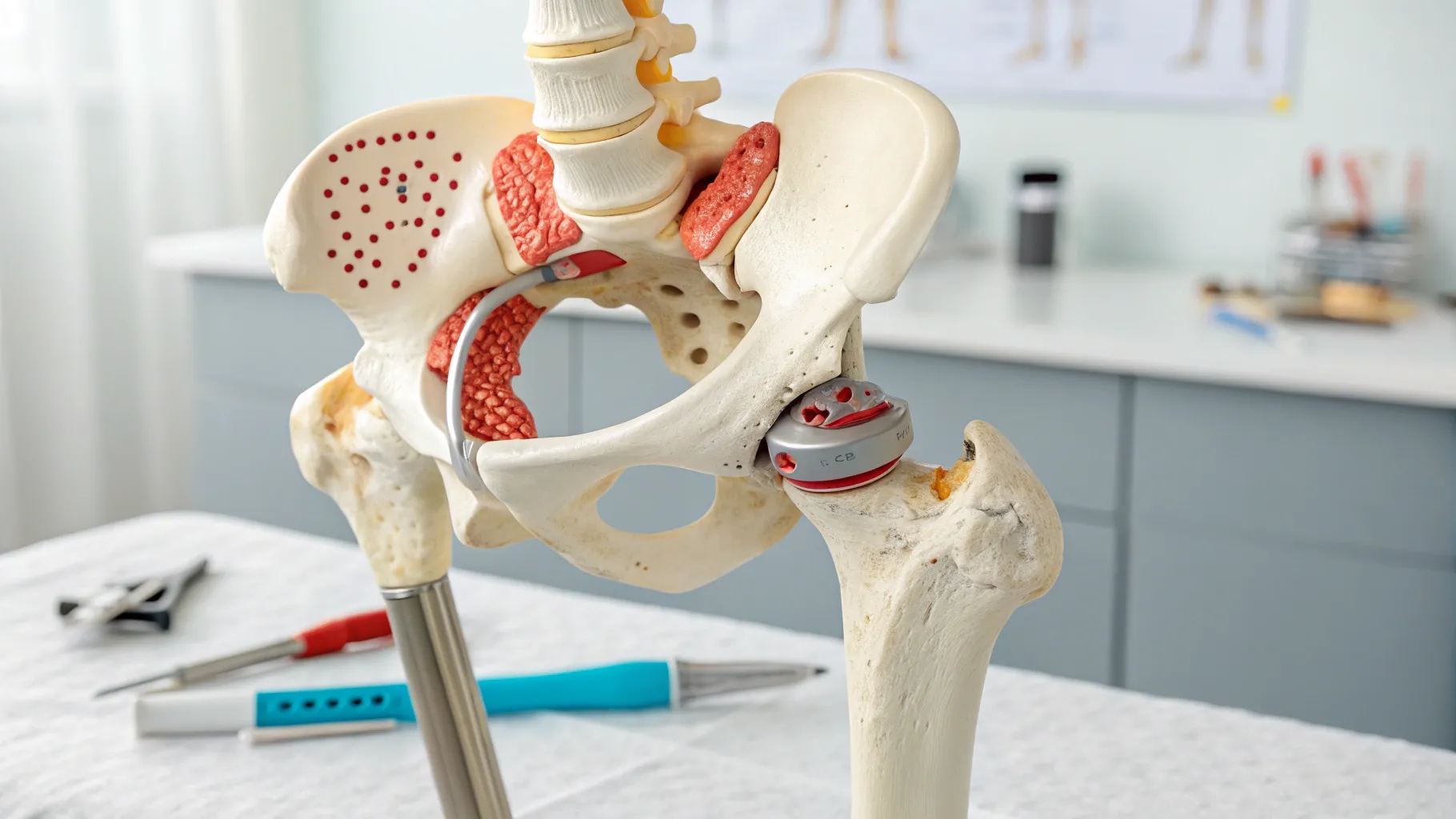
Understanding Hip Osteoarthritis
Hip osteoarthritis is a chronic degenerative joint disorder that primarily affects the cartilage in the hip joint, leading to pain, stiffness, and decreased mobility. This condition is increasingly recognized as a major public health concern, affecting a significant proportion of the population. In fact, current statistics reveal that nearly 30% of adults over 65 experience some form of hip osteoarthritis. While this condition is most prevalent in older adults, younger individuals can also develop hip osteoarthritis, often resulting from prior joint injuries, obesity, or genetic predispositions.
As the population ages, the prevalence of hip osteoarthritis is expected to increase, which underscores the importance of early diagnosis and intervention. Understanding what hip osteoarthritis is and being able to identify its symptoms can empower individuals to seek the appropriate medical care in a timely manner.
What are the Early Symptoms of Hip Osteoarthritis?
Recognizing the early symptoms of hip osteoarthritis is crucial for effective management and treatment. Many individuals present symptoms that can vary in intensity and may worsen over time if not addressed early. Key symptoms include:
- Pain in the hip joint: Many experience pain localized in the groin, outer thigh, or buttocks. This pain may begin mildly and progress to more severe levels, particularly after prolonged activity or weight-bearing tasks.
- Stiffness: A common complaint among patients is stiffness, particularly noticeable after rest. Individuals often report difficulties in getting moving after long periods of sitting or after waking up in the morning.
- Swelling: Inflammation around the hip joint may lead to visible swelling and discomfort, significantly impacting mobility and day-to-day activities.
- Limited range of motion: Patients frequently notice difficulty in fully rotating or bending the hip, making routine tasks such as putting on socks or shoes challenging.
- Creaking or popping sounds: As the cartilage degrades, many report audible sounds when moving the hip joint, which can be alarming but is often a sign of osteoarthritis progression.
Early identification of these symptoms can lead to more effective intervention strategies, helping to manage pain and maintain mobility. Unfortunately, many opt to ignore these signs, leading to potential deterioration of their joint health.
Finding the Right Orthopedic Doctor for Hip Arthritis
If you’re experiencing symptoms of hip osteoarthritis, finding a skilled orthopedic doctor is paramount for accurate diagnosis and effective management. Here are several steps to guide you through the process of selecting the right specialist:
- Look for board-certified specialists: Start by ensuring that the orthopedic doctor is board-certified. This certification indicates that the physician has completed rigorous training and assessments in orthopedic care, ensuring a high level of expertise.
- Read patient reviews: Take the time to explore online reviews and testimonials. Experiences shared by other patients can provide insight into a doctor’s approach to care, patient satisfaction, and outcomes.
- Seek referrals: Personal recommendations from primary care providers, friends, or family members can be invaluable. Trusted sources can lead you to highly regarded orthopedic specialists.
- Evaluate experience: Investigate the doctor’s experience, particularly in treating hip arthritic conditions. A specialist who has extensively worked with patients suffering from similar symptoms may offer insights and treatment options tailored to your needs.
Advancements in telemedicine have also facilitated access to top orthopedic specialists, allowing patients to connect with renowned experts remotely. This expands the options available for effective treatment of hip osteoarthritis and can lead to improved quality of care.
Best Treatments for Hip Osteoarthritis in Seniors
Treating hip osteoarthritis usually requires a comprehensive, tailored approach based on the individual's symptoms and overall health profile. The goal of treatment is to relieve pain, improve function, and enhance the quality of life. Common treatment options include:
Physical Therapy
Physical therapy remains one of the most effective methods for managing hip osteoarthritis. A qualified physical therapist can create a customized exercise program that focuses on:
- Strengthening the muscles surrounding the hip joint, which can provide additional support and stability.
- Improving flexibility and increasing the range of motion, vital for everyday activities.
- Reducing pain and minimizing the risk of further joint degeneration through specific therapeutic techniques.
Many seniors have reported a significant reduction in pain and an improvement in functionality as a result of consistent physical therapy.
Joint Supplements
Some individuals explore the option to buy joint supplements for hip osteoarthritis, viewing them as a complementary treatment. Common supplements include:
- Glucosamine and Chondroitin: These are popular supplements that may help in alleviating pain and enhancing joint function, although scientific opinions on their effectiveness can vary.
- Omega-3 Fatty Acids: Known for their anti-inflammatory properties, they can contribute positively to joint health.
- Vitamin D: Essential for overall bone health, a deficiency in Vitamin D may aggravate joint issues.
While their efficacy may differ among users, these supplements can be beneficial as part of a broader health strategy.
Medications
For immediate relief, non-steroidal anti-inflammatory drugs (NSAIDs) such as ibuprofen and naproxen are commonly prescribed to combat pain and inflammation. For more severe cases, healthcare providers may suggest corticosteroid injections or stronger oral medications to further control discomfort. These medications can significantly improve quality of life when used responsibly and under medical supervision.
Surgical Options
For older adults with advanced hip osteoarthritis who do not find relief from conservative treatments, surgical options may be warranted. The most widely performed procedure is hip arthroplasty, or total hip replacement, in which the damaged joint is replaced with an artificial implant. Advances in surgical technology and rehabilitation methods have greatly improved recovery times and outcomes, helping many seniors regain mobility and alleviate pain effectively.
Choosing the best treatment plan for hip osteoarthritis requires an open dialogue with orthopedic specialists regarding individual health circumstances. Steps taken today to manage joint health can have lasting effects, promoting mobility and reducing discomfort long into the future.
In 2025, with greater awareness about hip health, more options for treatment, and improved educational resources, individuals are empowered to pursue active, fulfilling lives despite the challenges posed by hip osteoarthritis. Staying informed about symptoms, treatment options, and healthcare resources is essential for those navigating this condition.