Comprehensive Guide to Hip Bursitis Symptoms and Treatments
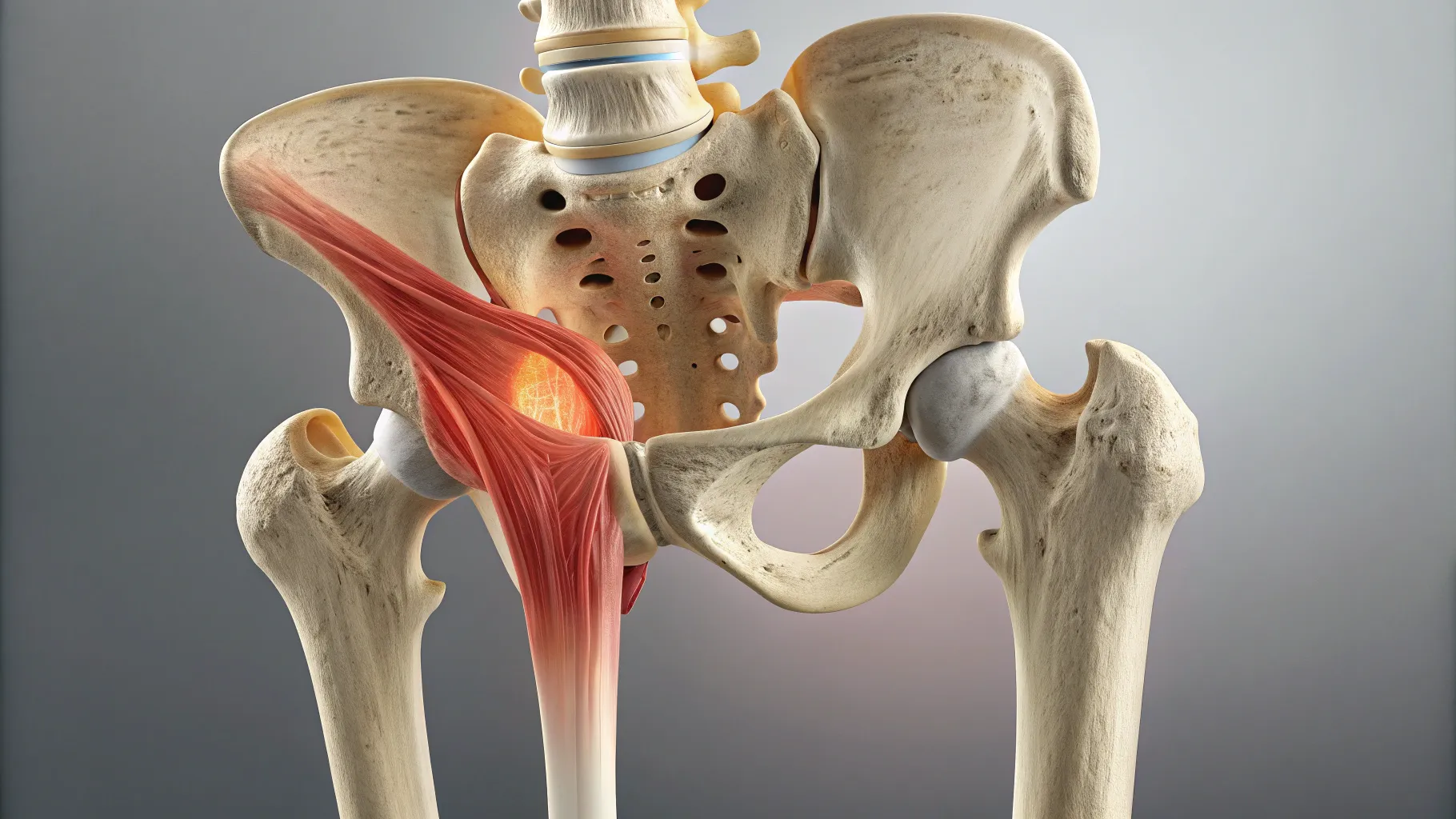
Hip Bursitis Understanding Symptoms and Treatment Options
In 2025, hip bursitis is gaining increasing attention as more individuals seek comprehensive knowledge about this condition. By understanding hip bursitis, its symptoms, and treatment options, individuals can take proactive steps towards management and recovery. This article delve into the nature of hip bursitis, to highlight its effects and share various methods for finding relief.
What is Hip Bursitis?
Hip bursitis refers to the inflammation of the bursae, which are small fluid-filled sacs located around the hip joint. These bursae serve a crucial role in reducing friction between bones and soft tissues, like muscles and tendons. While there are several bursae in the hip area, the trochanteric bursa—the one situated on the outer aspect of the hip—is the most commonly affected by this condition.
This condition often manifests in individuals who are physically active or engage in repetitive activities. To put it into perspective, a recent survey revealed that approximately 10% of adults experience hip bursitis at some stage in their lives.
How Hip Bursitis Develops
Individuals develop hip bursitis due to a combination of several risk factors. Understanding these can empower individuals to take preventive measures. Key contributing factors include:
- Repetitive Motion: Activities like running, cycling, or even standing for long periods can irritate the bursae.
- Direct Injury: A direct impact to the hip area, such as falling or bumping against an object, can lead to bursitis.
- Underlying Health Conditions: Medical conditions including arthritis, diabetes, and gout increase the risk of hip bursitis.
- Age: Aging correlates with a higher likelihood of developing this condition as bodily tissues naturally degenerate.
Recognizing Symptoms of Hip Bursitis
Timely recognition of the symptoms of hip bursitis is vital for effective treatment so that can alleviate discomfort. Individuals suffering from hip bursitis commonly report:
- Pain: This often manifests as a sharp or burning sensation on the outer side of the hip, which can radiate down the thigh. This pain typically worsens with physical activities like walking, climbing stairs, or even lying on the affected side.
- Swelling: Inflammation can result in noticeable swelling around the hip joint.
- Stiffness: Many experience a restrictive range of motion in the hip, making everyday tasks a challenge.
- Tenderness: The area surrounding the hip may be sore to the touch, which can lead to pain during both activity and rest.
Recent studies emphasize that recognizing these symptoms early can significantly influence recovery rates and lifestyle improvements.
Diagnostic Approaches for Hip Bursitis
If hip bursitis is suspected, healthcare professionals typically begin with a detailed physical examination, commonly accompanied by imaging tests such as X-rays or MRIs. This approach not only confirms the diagnosis but also rules out other possible conditions that may mimic bursitis symptoms. For instance, they may examine the hip for signs of inflammation or tenderness while reviewing the patient's physical activity history.
Exploring Treatment Options for Hip Bursitis
Managing hip bursitis often starts with conservative treatments. In 2025, individuals have access to several effective options that cater to various severity levels of bursitis. Here are some of the most promising treatments:
Rest and Activity Modification
One of the simplest yet most effective methods to relieve bursitis symptoms is to rest the affected hip. Also beneficial is modifying activities that worsen symptoms, such as reducing high-impact exercises. According to recent surveys, those who adhere to a modified activity plan see a significant decrease in inflammatory responses.
Physical Therapy Insights
Physical therapy stands out as one of the most impactful treatments for hip bursitis. Licensed therapists can design personalized exercise programs that strengthen the muscles surrounding the hip, enhance flexibility, and improve overall function. For example, combining targeted stretches with strength training can reduce stress on the bursa, promoting healing. A 2025 study revealed that about 75% of participants noted a marked improvement in their symptoms following consistent physical therapy sessions.
Topical Pain Relief Creams
Many people suffering from hip bursitis are turning to topical pain relief creams enriched with nonsteroidal anti-inflammatory drugs (NSAIDs). These creams are applied directly to the painful area and have shown efficacy in reducing localized inflammation and discomfort. Several recent products have gained popularity, with users reporting faster relief without systemic side effects.
Cortisone Injections
In instances where conservative treatments fail, physicians may recommend cortisone injections. This procedure involves injecting corticosteroids directly into the inflamed bursa, providing significant pain relief and reducing inflammation. A clinical analysis from early 2025 indicated that approximately 70% of individuals experienced substantial alleviation of pain following these injections, with many able to resume normal activities shortly after treatment.
Considering Surgery as a Last Option
For a small number of patients—particularly those who see no improvement after several months of non-invasive treatments—surgery may be a viable last resort. Surgical procedures typically involve removing the inflamed bursa, and these operations boast a high success rate. Most post-operative patients report a favorable recovery and return to their desired activity levels. As surgical techniques and technologies improve, these procedures are becoming safer and more effective than ever.
In 2025, understanding and managing hip bursitis is achievable for many individuals. Thanks to advancements in treatment options and rehabilitation approaches, more people can lead active lifestyles despite this often debilitating condition. Whether through rest, structured physical therapy, topical treatments, or medical interventions, effective solutions are readily available to alleviate discomfort and improve quality of life.