Comprehensive Guide to Dentures for Seniors in 2025
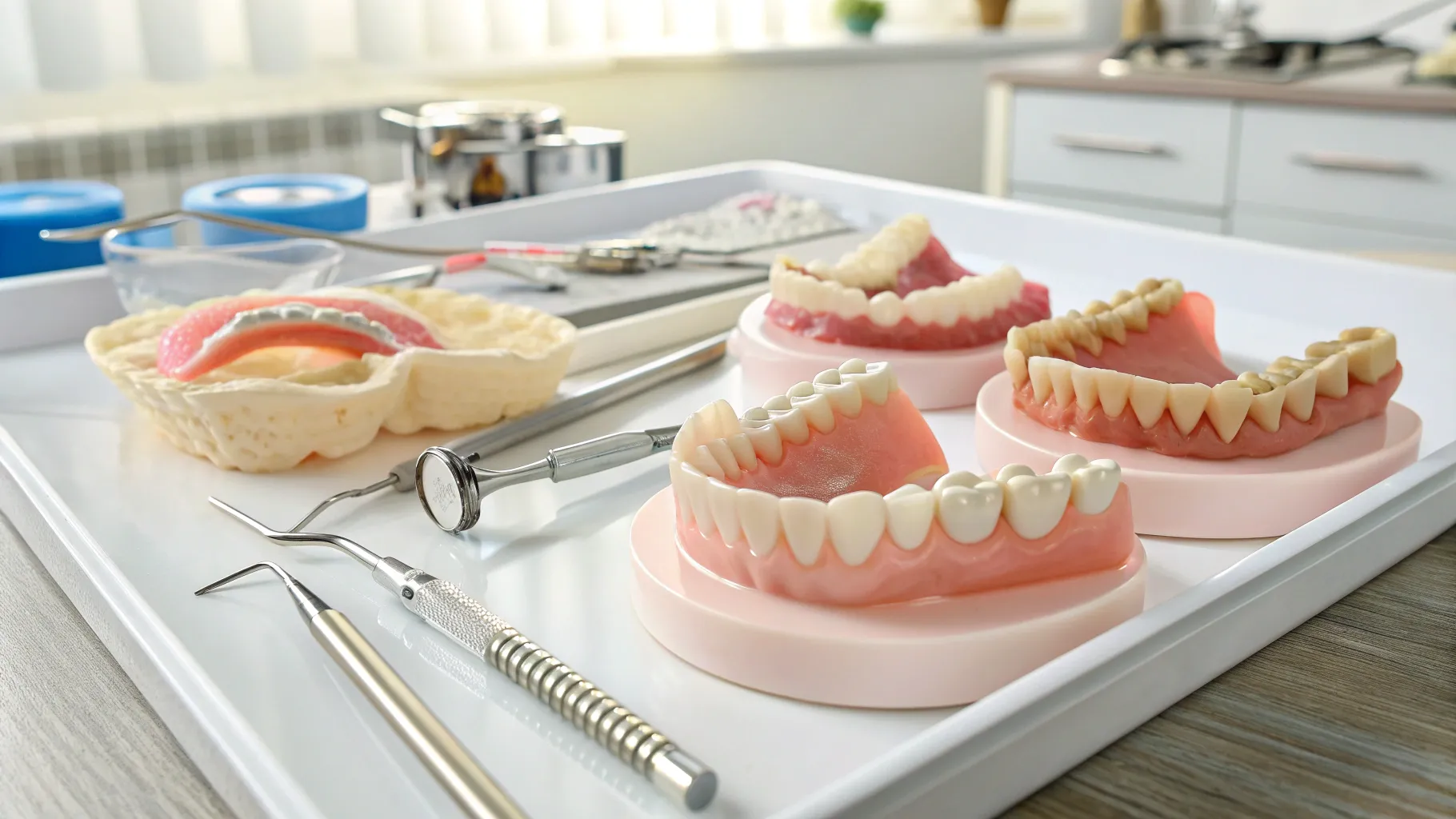
Understanding Dentures for Seniors in 2025
As we journey through life, the effects of aging on our dental health become a pressing reality for many. Tooth loss can lead to challenges in speaking and eating, creating barriers to enjoying life. Fortunately, denture solutions for seniors have evolved significantly, providing a blend of functionality and aesthetics that help older adults reclaim their confidence and comfort. These artificial teeth replace missing ones, allowing seniors to enjoy meals, converse freely, and participate in social events without the worry of gaps in their smile.
Exploring the Various Types of Dentures Available
When it comes to choosing dentures, understanding the different types available is essential for seniors and their families. Each type caters to unique needs, ensuring that no one is left without options:
- Complete Dentures: Designed for seniors who have lost all of their natural teeth, complete dentures provide a full arch of teeth that cover the gums. They facilitate normal functionalities such as eating and speaking.
- Partial Dentures: These are ideal for seniors who still have some natural teeth. Partial dentures fit around these remaining teeth, filling in the gaps and preventing the remaining teeth from shifting. They can be designed to be removable or fixed, tailored to individual preferences.
- Implant-Supported Dentures: Anchored by dental implants, this option offers unparalleled stability. These dentures are especially advantageous for seniors who have experienced bone loss, as the implants stimulate the jawbone and mitigate further deterioration.
- Immediate Dentures: Fitted right after tooth extraction, these dentures allow seniors to maintain their appearance and functionality immediately, providing peace of mind during the healing process.
Recent data indicates that over 25 million Americans are fully edentulous, with another 15 million partially edentulous as of early 2025. This highlights the critical role that understanding and access to dentures plays in improving the quality of life for seniors.
Significant Benefits of Dentures for Elderly Individuals
While cosmetic benefits are notable, the impact of dentures on senior life extends much deeper. Many individuals find that after acquiring dentures, changes in their life quality are remarkable:
- Improved Appearance: Dentures provide essential facial support, which helps prevent a sunken appearance that might occur due to tooth loss. A natural smile can be restored, contributing to overall self-esteem.
- Enhanced Communication: For many, clear speech becomes more attainable with dentures. The embarrassment that previously accompanied eating or speaking diminishes as confidence returns.
- Better Nutrition: With dentures, seniors can chew a broader range of foods, allowing for a healthier diet. This shift can lead to better health outcomes and vitality.
- Increased Self-Esteem: With the confidence that comes from knowing one can smile openly, engage in conversation, and enjoy social outings, mental health significantly benefits.
Effective Care for Dentures Among Seniors
Proper care of dentures is crucial for longevity and oral health. Seniors should adopt practices that will help maintain the integrity of their dentures while keeping their mouths healthy:
- Daily Cleaning: It's essential to brush dentures daily with a special denture brush to remove food particles and plaque, preventing build-up and stains.
- Soaking: Most denture types require soaking in a designated solution overnight to maintain moisture and help eliminate stubborn stains.
- Regular Dental Visits: Regular check-ups with a dentist ensure that dentures fit well and any adjustments can be made, considering the inevitable changes in mouth structure over time.
- Avoiding Hot Water: Cleaning dentures in hot water can warp them. Always use lukewarm water to maintain their shape and structure.
Scheduling regular cleaning and maintenance not only increases the lifespan of dentures but also supports overall oral hygiene, reducing the chances of infections and other complications.
Financial Considerations for Dentures
The financial aspect of acquiring dentures is a substantial concern for many seniors and their families. As of early 2025, advancements in materials and technology have led to a range of pricing:
- Initial Costs: Complete dentures typically range from $1,200 to $3,500, while partial dentures can vary between $900 and $3,000 based on the materials used and the complexity of the case.
- Insurance Coverage: It is important to note that many Medicare plans do not encompass denture expenses. Seniors should investigate whether their supplemental insurance offers any benefits for denture coverage.
- Long-term Costs: Though the initial investment in higher-quality dentures can be substantial, the payoff in durability and functionality often outweighs the immediate costs over time.
Surveys from the past year indicate that about 25% of seniors reported postponing dental care due to financial hurdles, underscoring the need for accessible and affordable dental solutions.
The Social Implications of Dentures
Beyond the physical benefits, securing dentures significantly boosts the social lives of seniors. Many express feeling more comfortable and engaged in social situations after obtaining their dentures. The ability to dine out with friends, share laughter, and partake in community events revitalizes personal relationships and reinvigorates social involvement.
Ensuring that older adults have access to effective denture options is vital as society acknowledges the importance of comprehensive dental care. With the advancements available in 2025, embracing the benefits of modern denture technology will enable seniors to lead happier, healthier, and more fulfilling lives.