A Comprehensive Guide to Colitis Treatment and Management
Facts:
- Colitis affects millions globally, with rising incidence rates.
- Personalized dietary plans are a growing trend for colitis management discussions.
Navigating Your Path to Wellness: A Deep Dive into Colitis Treatment
Understanding and managing colitis requires a comprehensive approach that addresses both symptoms and the underlying inflammation. Effective colitis treatment is not a one-size-fits-all solution; it is a personalized journey that involves medical therapies, lifestyle adjustments, and ongoing professional guidance. For those navigating this condition, gaining knowledge about the various options is the first step towards achieving long-term remission and improved quality of life. This guide serves as a crucial resource for digestive health support, covering everything from initial diagnosis to advanced therapeutic strategies and daily management techniques.
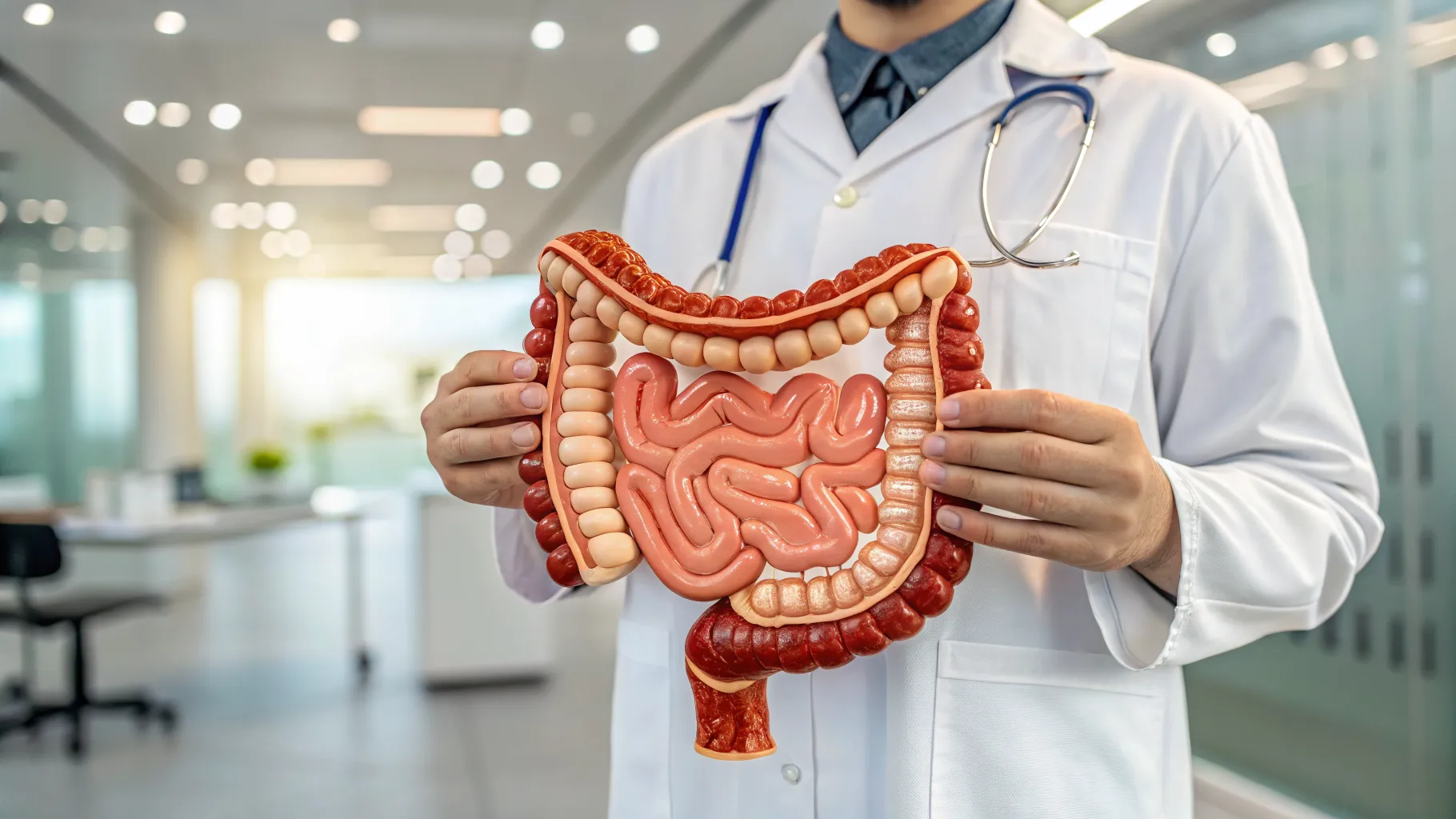
Decoding the Signals: Understanding Colitis Symptoms and Care
Before exploring treatments, it's essential to recognize the condition's presentation. The foundation of effective colitis symptoms and care is a proper diagnosis. Symptoms often include persistent diarrhea, abdominal pain, rectal bleeding, weight loss, and fatigue. The intensity and type of symptoms can vary significantly depending on the extent and location of inflammation within the colon. Proper care begins with a thorough evaluation by a gastroenterologist, which may involve blood tests, stool samples, and procedures like a colonoscopy. This diagnostic process is critical for differentiating between various types of colitis and other inflammatory bowel disease topics, ensuring that the chosen colitis treatment plan is precisely targeted to the individual's specific condition and needs.
The Medical Arsenal: Core Pharmaceutical Approaches to Colitis Treatment
Modern medicine offers a range of pharmaceutical options as a primary colitis treatment strategy. The goal of these medications is to reduce inflammation, induce remission, and maintain it over time. Aminosalicylates (5-ASAs) are often the first line of defense for mild to moderate cases. For more significant flare-ups, corticosteroids may be prescribed for short-term use to quickly control inflammation, though they are not intended for long-term management due to potential side effects. A significant part of modern colitis management discussions revolves around immunomodulators and biologic therapies. Biologics are advanced, targeted protein-based drugs that neutralize specific inflammatory triggers in the body, representing a major breakthrough in managing moderate to severe colitis and are a frequent subject in inflammatory bowel disease topics.
Beyond the Prescription: Lifestyle and Dietary Strategies for Digestive Health Support
While medication is a cornerstone, holistic management is key. Active participation in your own care through diet and lifestyle changes provides significant digestive health support. There is no single 'colitis diet,' but many find that certain foods can trigger symptoms. Keeping a food diary can help identify personal triggers, which may include high-fiber foods, dairy, or spicy dishes during a flare-up. Stress is also a well-known factor that can exacerbate symptoms. Integrating stress-reduction techniques is a vital part of many colitis management discussions.
- Dietary Modification: Focus on easily digestible foods during a flare, such as low-fiber fruits, lean proteins, and refined grains. Staying hydrated is crucial, especially during bouts of diarrhea. Consulting a dietitian specializing in digestive diseases is highly recommended.
- Stress Management: Practices like mindfulness, meditation, yoga, and gentle exercise can help manage the stress response, which in turn can reduce symptom severity. This is a critical component of long-term colitis symptoms and care.
- Regular, Gentle Exercise: Low-impact activities like walking, swimming, or cycling can help reduce stress, improve mood, and support overall health without aggravating the digestive system.
Advanced Therapies and Surgical Interventions in Colitis Management Discussions
For individuals with severe colitis that doesn't respond to standard medications, or for those who develop complications, more advanced options are considered. The field is constantly evolving with new small molecule drugs that offer different mechanisms of action compared to biologics. These advanced therapies are important inflammatory bowel disease topics discussed between patients and specialists. In some cases, surgery becomes a necessary and life-improving colitis treatment. A colectomy, the surgical removal of the colon, can be a definitive cure for ulcerative colitis, eliminating the inflammation and the long-term risk of colon cancer associated with the disease. This is a major decision and is a central point in many serious colitis management discussions.
The Future of Care: Emerging Trends and Research
The landscape of colitis treatment is continually advancing. Research into the gut microbiome is paving the way for potential future therapies, including fecal microbiota transplantation (FMT) and targeted probiotics designed to restore a healthy gut environment. Genetic research is helping to identify individuals at higher risk and may lead to more personalized treatments in the future. Staying informed about these emerging inflammatory bowel disease topics offers hope and empowers patients to have more informed conversations with their healthcare providers about their long-term digestive health support and care plan, ensuring they have access to the best possible outcomes.
Frequently Asked Questions
What is the most common first-line colitis treatment?
The most common initial colitis treatment for mild to moderate ulcerative colitis is a class of drugs called aminosalicylates (5-ASAs). These medications work to reduce inflammation directly in the lining of the colon and are effective for both inducing and maintaining remission.
How important is diet in managing colitis symptoms and care?
Diet plays a significant supportive role in colitis symptoms and care. While it doesn't cure colitis, avoiding trigger foods can dramatically reduce symptom severity during a flare-up. A personalized approach to diet is a key part of holistic digestive health support.
Are there new developments in inflammatory bowel disease topics I should know about?
Yes, the field is very active. Key inflammatory bowel disease topics currently include the development of new biologic drugs with novel targets, research into small molecule drugs, and extensive study of the gut microbiome's role in IBD. These advancements continue to expand the options for effective colitis treatment.
References
- Gastroenterology & Hepatology Journal
- The Crohn's & Colitis Foundation Clinical Updates
- New England Journal of Medicine IBD Reviews
- Digestive Diseases and Sciences Publication