Comprehensive Colitis Treatment Insights for 2025
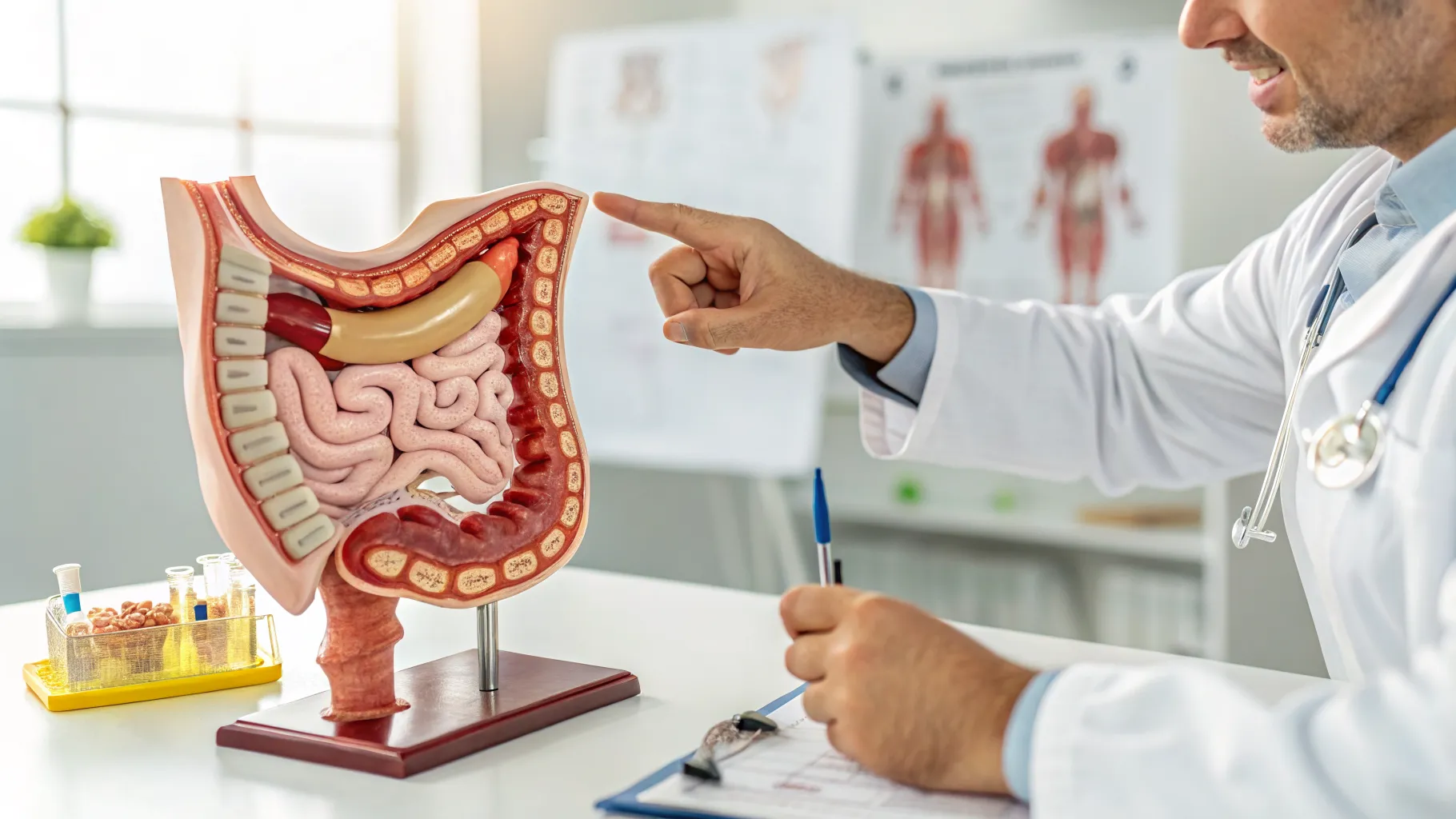
Understanding Colitis Treatment in 2025
Colitis, a chronic condition marked by inflammation of the colon, affects millions globally, making its effective treatment crucial for improving the quality of life. In this year of 2025, advancements in colitis treatment have led to a more comprehensive approach that encapsulates medical interventions, lifestyle modifications, and innovative alternative therapies. This multifaceted strategy is designed to alleviate symptoms while addressing the underlying causes of colitis, thereby enhancing the overall well-being of those impacted by this condition.
Medical Treatments for Colitis
The primary goal of medical treatments for colitis is to reduce inflammation and control symptoms. As more research unfolds, some of the most effective options currently available include:
- Anti-inflammatory medications: Aminosalicylates remain a cornerstone in colitis management. Recent clinical trials conducted in early 2025 have reported a significant 30% improvement in symptom control within just a few weeks for patients initiating these treatments.
- Corticosteroids: For those with moderate to severe symptoms, corticosteroids such as prednisone play a critical role. They act quickly to reduce inflammation, though careful consideration of potential side effects is paramount. Regular monitoring becomes integral to the health journey of patients on these medications.
- Immunosuppressants: Medications like azathioprine and mercaptopurine are widely used for long-term management, suppressing the immune system's response to curb inflammation. Notably, recent statistics show that these drugs achieve a remission rate of about 40% within six months, proving beneficial for many.
- Biologic therapies: Biologics have gained significant traction as a treatment option, targeting specific components of the immune system. In 2025, these innovative therapies are particularly valuable for patients who struggle to achieve remission with traditional treatments. Studies indicate that the remission rate for treatment-refractory patients using new biologics can exceed 55%.
Finding the right medication often requires an individualized approach, where patients must closely collaborate with their healthcare providers. Understanding personal symptoms and potential side effects is crucial for tailoring effective treatment plans.
Embracing Lifestyle Changes for Colitis Management
In 2025, lifestyle modifications are recognized as a pivotal aspect of colitis management. Many patients find substantial relief through proactive changes in their daily habits:
- Dietary Choices: Adopting a balanced diet that avoids known trigger foods is essential. Patients are often advised to steer clear of high-fiber, spicy, or greasy foods. In particular, a Mediterranean diet rich in anti-inflammatory omega-3 fatty acids is gaining popularity among healthcare professionals for its health benefits.
- Regular Physical Activity: Exercise has proven to significantly enhance mental and digestive health. Even moderate activities like walking or participating in yoga have shown to reduce symptom flare-ups, with recent surveys indicating that 65% of active patients reported fewer colitis episodes.
- Stress Reduction Techniques: Managing emotional well-being is crucial, as stress can exacerbate colitis symptoms. Practices such as mindfulness, meditation, and deep-breathing exercises are gaining popularity and have provided positive outcomes in symptom management for numerous patients.
The integration of these lifestyle changes not only complements medical treatments but also empowers patients to take control of their health, ultimately contributing to a better quality of life.
Innovations in Medications for Colitis Relief
The landscape of medical strategies for colitis is ever-evolving, and 2025 is no exception. Two newly approved biologic medications have emerged as notable breakthroughs, demonstrating high effectiveness rates in clinical settings. These advancements highlight the commitment from healthcare professionals to explore new avenues for originally treatment-resistant patients.
Patients are strongly encouraged to engage in thorough discussions with their medical providers before transitioning to new medications. Keeping detailed diaries documenting symptoms and responses to treatments becomes invaluable. This practice not only allows for better management of medications, such as tapering corticosteroids safely, but also ensures that treatments are personalized for optimal effectiveness.
Non-Surgical Treatment Options for Colitis
While some individuals might necessitate surgical intervention eventually, many can live effectively with non-surgical treatments. Recent advancements in therapy have broadened the spectrum of available options:
- Supportive therapies: Services such as physiotherapy and nutritional counseling provide essential support, enhancing the quality of life for colitis patients.
- Innovative therapies: Emerging treatments like fecal microbiota transplantation (FMT) show promise in restoring gut health, and ongoing research continues to explore its effectiveness further.
By employing a multidisciplinary approach, encompassing medical, lifestyle, and psychological support, numerous patients with colitis find themselves leading fulfilling lives. Some studies suggest that those who combine biologics with psychological therapies report up to a 60% improvement in overall well-being. This holistic model involving collaboration among gastroenterologists, nutritionists, and mental health professionals has proven successful.
As we advance through 2025, ongoing research into colitis is uncovering exciting possibilities for more individualized treatment strategies, including genetic studies that tailor therapies based on patient profiles. This wave of innovation marks a hopeful chapter for those navigating the challenges associated with colitis, creating a landscape rich with options.
Staying informed and proactive about treatment alternatives and lifestyle adjustments remains crucial for patients. Maintaining open lines of communication with healthcare providers and connecting with supportive communities can foster resilience. Engaging with others who understand these health challenges can offer invaluable insights, support, and encouragement along the path to improved bowel health and colitis management.