Understanding Solar Panel Installation in Homes
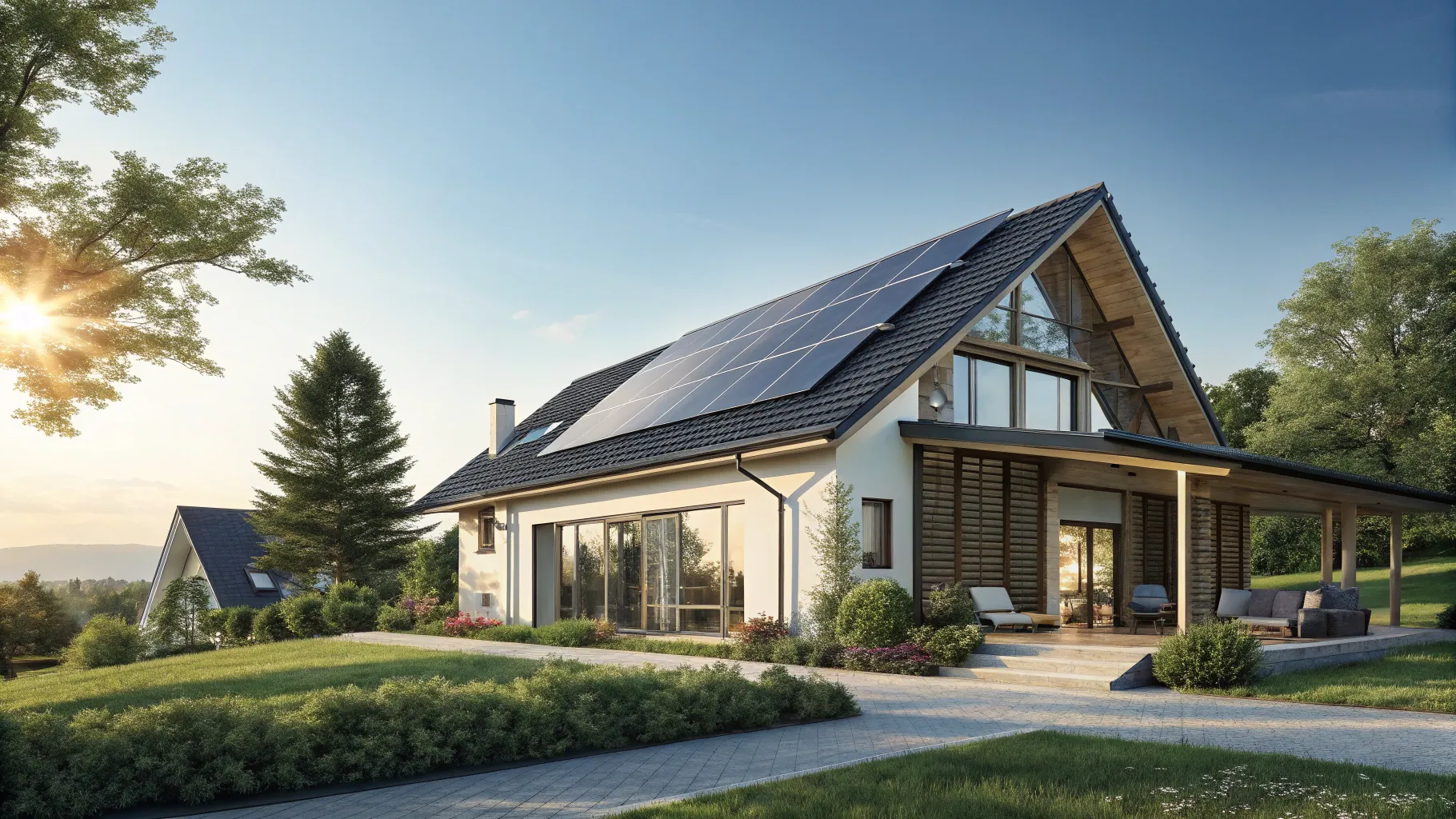
Understanding Solar Panel Installation
In today’s world, the push for renewable energy solutions has never been more urgent. Solar energy, in particular, has gained immense popularity as a sustainable option for home energy. With advancements in technology and a growing awareness of environmental issues, many homeowners are opting for residential solar panel installation to reduce their reliance on fossil fuels and save on energy costs.
As of 2025, the solar energy sector has seen a tremendous increase in installations, with residential solar panel systems becoming a common sight in neighborhoods across the country. A recent report from the Solar Energy Industries Association (SEIA) indicates that residential solar installations have grown by 30% over the past year alone, attributing this rise to federal incentives and advancements in solar technology.
How to Set Up a Solar Panel System
If you're considering how to set up a solar panel system in your home, the process may seem daunting at first, but it can be broken down into manageable steps:
- Assess your energy needs: Start by analyzing your electricity consumption. Your utility bill provides insights into your monthly usage, which helps determine the size of the solar system you’ll need.
- Evaluate your roof: The ideal installation location is a south-facing roof with minimal shade. Inspect for any necessary repairs prior to installation.
- Research local regulations: Before you proceed, check any governmental regulations or permit requirements in your area. Understanding local zoning laws and solar incentives can save you time and money.
- Choose the type of solar panel: There are several types of solar panels available, including monocrystalline, polycrystalline, and thin-film. Each type comes with its pros and cons, and the choice may depend on your budget and efficiency needs.
- Get multiple quotes: It's advisable to compare quotes from different solar installers to find the best service and price. Look for reputable companies that have positive reviews and are licensed.
- Installation day: On installation day, a team will typically install the solar panels on your roof, connect them to the inverter, and integrate them with your electrical system. The process can take one to three days depending on the size of the system.
One recent example of successful solar panel installation is the Garcia family in Phoenix, Arizona. After analyzing their electricity consumption and obtaining three quotes, they found a local installer who offered an attractive package with high-efficiency monocrystalline panels. Within a week, their system was up and running, reducing their electricity bill by up to 60% in the first month.
Benefits of Home Solar Panel Systems
Investing in a home solar panel system offers numerous benefits that extend beyond merely reducing electricity bills:
- Environmental impact: Solar panels significantly lower carbon footprints, contributing to a cleaner environment. Transitioning to solar energy means reducing our dependence on fossil fuels and mitigating greenhouse gas emissions.
- Energy independence: With solar energy systems, homeowners can generate their own electricity, which can be particularly useful during outages or in regions with unstable power grids.
- Increase in property value: Studies indicate that homes equipped with solar energy systems can sell for up to 4% more than homes without. Prospective buyers are often willing to pay a premium for energy-efficient features.
- Tax incentives: Homeowners can benefit from various federal and state tax credits, which reduce the overall cost of installation. Currently, federal tax credits allow you to deduct a significant portion of your solar installation cost from your federal taxes.
As we transition into a more renewable future, many cities across the United States have launched initiatives to promote solar energy. For example, San Diego has set a goal to become 100% renewable by 2035, paving the way for more local incentives for solar panel installation.
Financing Your Solar Panel Installation
One of the barriers some homeowners face when considering solar is the upfront cost. However, there are several financing options available that make solar panel installation easier to manage:
- Cash purchase: If you can afford it, a cash purchase allows you to own your system outright, providing the best long-term savings.
- Solar loans: Many companies offer financing plans that allow homeowners to pay off the cost of their installations over time, usually with low-interest rates.
- Leasing: In a lease agreement, the homeowner pays to use the solar system without owning it. This can come with lower monthly payments but may offer less overall savings in the long run.
The impact of solar energy cannot be overstated. According to the International Energy Agency, solar power is now one of the cheapest sources of new electricity generation globally. As technology continues to advance, we can expect the costs of installation and maintenance to decrease even further, making solar panel installation an even more attractive option for homeowners.
In conclusion, the installation of solar panels brings numerous benefits, from reducing energy costs to significantly contributing to environmental sustainability. With effective planning and research, setting up a solar panel system can lead to substantial long-term savings and energy independence for homeowners. The growth of this industry, paired with continued technological advancements and supportive governmental policies, points to a promising future for home energy and solar panels as a reliable energy solution.